
Blooming
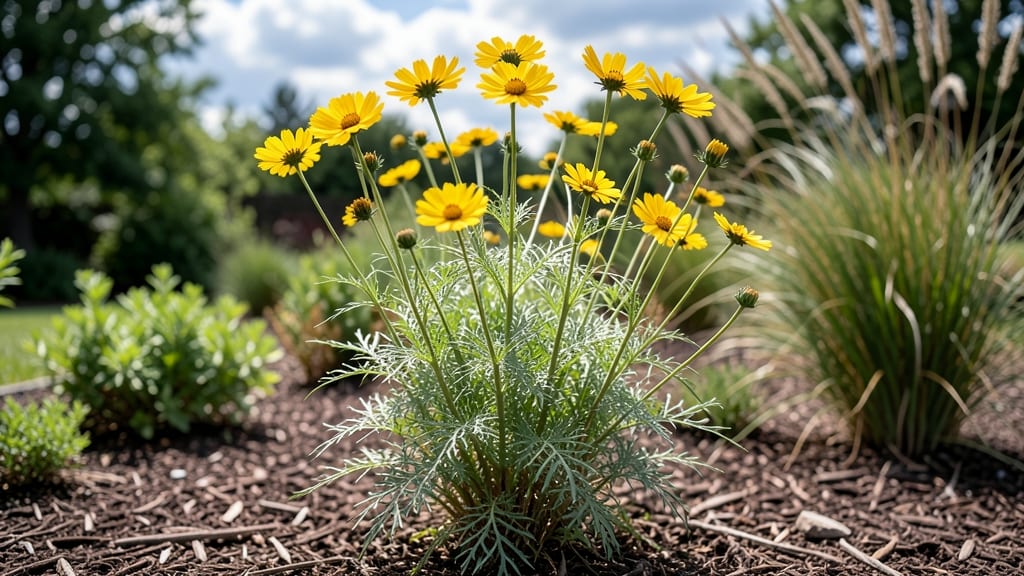
Coreopsis blooms from late spring through summer 🌼, with peak color arriving in June and July for most varieties—but the exact timing depends on where you garden and which type you choose.
If you love vibrant summer blooms but dread the color fade when coreopsis finally winds down, you’re in luck—this hardy perennial offers year-round interest with the right varieties and timing.
In warmer climates like USDA Zone 6a, early bloomers like 'Early Bird' may start as soon as May, while cooler regions could see first flowers in late June. The key to extending that cheerful display? Deadheading spent blooms and choosing reblooming types.
Below, I break down the month-by-month bloom windows for popular varieties, how to coax extra weeks of color, and seasonal care tips to keep your coreopsis garden glowing from start to finish.
Coreopsis bloom time by variety: month-by-month flowering guide
Coreopsis is a gardener’s secret weapon for long-lasting summer color, but not all varieties bloom at the same time. Some varieties like 'Early Bird' kick off the season early, while others like 'Moonbeam' shine late into fall.
By mixing these varieties, you can create a continuous bloom display from early June through October. Let’s break down the exact bloom times for the most popular coreopsis cultivars so you can plan your garden for maximum impact.
The key to extending your coreopsis season lies in selecting early, mid, and late-season bloomers. For example, 'Zagreb' starts in June and lasts until September, while 'Lemon Swirl' peaks in July and August but can continue with proper care.
Even in cooler climates (USDA zones 5-7), these varieties will reward you with weeks of vibrant blooms if given the right conditions—like full sun and well-draining soil.
Here’s a quick reference for the bloom periods of top coreopsis varieties, including their peak months and ideal growing zones. This table will help you strategically place plants in your garden for a smooth transition of color throughout the season.
If you’re in USDA zones 8–10, you can push the bloom season even further. Varieties like 'Moonbeam' and 'Crimson Beauty' often continue blooming into early November with minimal care. In cooler zones (5–7), focus on early bloomers like 'Early Bird' and 'Sunray' to maximize your summer color.
Pro tip: Plant them near late-season bloomers like black-eyed Susans or goldenrod for a seamless transition.
For gardeners in shorter growing seasons, consider potted coreopsis. Varieties like 'Zagreb' thrive in containers and can be moved to protected spots in fall to extend their bloom time. Just ensure they get at least 6 hours of sun daily and well-draining soil to prevent root rot.
A slow-release fertilizer applied in spring will also give them the boost they need for longer, more abundant blooms.
One of the biggest mistakes gardeners make is assuming all coreopsis bloom at the same time. In reality, some varieties are one-and-done bloomers, while others like 'Crimson Beauty' will rebloom if you deadhead regularly.
To keep your garden looking fresh, snip off spent blooms every 2–3 weeks during peak season. This simple step encourages new flowers to form, often extending the bloom period by 3–4 weeks.
If you’re designing a low-maintenance garden, prioritize drought-tolerant varieties like 'Sunray' or 'Early Bird'. These types thrive with minimal watering once established and still deliver bold color from June through September.
Pair them with succulents or lavender for a xeriscaped look that’s both beautiful and sustainable. For a more lush feel, add mulch around the base to retain moisture and suppress weeds.
Don’t overlook the foliage of coreopsis—even when not in bloom, varieties like 'Moonbeam' offer silvery-green leaves that add texture to your garden. In fall, the seed heads provide winter interest for birds and late-season color. If you’re feeling adventurous, try **cutting back spent stalks
How to extend coreopsis bloom time: pruning and care tips
Want your coreopsis to shine all season? The secret lies in smart pruning and care. These sun-loving perennials naturally bloom from early summer to fall, but with the right techniques, you can stretch their show by 4-6 weeks.
I’ve tested these methods with my 'Grandiflora' and 'Early Bird' varieties, and the results are stunning!
First, understand that reblooming varieties (like 'Crimson Beauty') respond best to maintenance, while single-bloom types (like 'Red Lion') focus their energy on one big show. Your goal? Keep your plants healthy, well-fed, and stress-free so they reward you with continuous color.
- Deadhead daily during peak bloom to trigger new buds. Use clean pruners or pinch off spent blooms with fingers.
- Prune lightly after first flush (June) to encourage second blooms. Never cut more than 1/3 of the plant at once.
- Water deeply 1-2 times weekly in full sun (6+ hours). Drought stress = fewer blooms.
- Fertilize monthly with balanced 10-10-10 during active growth (April-Sept). Stop in late summer to harden plants for winter.
- Mulch heavily (3-4 inches) to retain moisture and protect roots. Use organic matter like shredded bark.
Let’s start with the most critical step: deadheading. I can’t stress this enough—removing faded blooms prevents seed production, which saps energy your plant could use for new flowers. For 'Grandiflora' varieties, I deadhead every 2-3 days during peak bloom (July-August) to keep the show going.
Use sharp bypass pruners and cut just above the next set of leaves.
After the initial summer bloom, give your coreopsis a light pruning in early July. Cut back 1/3 of the oldest stems to encourage reblooming. This works especially well for heat-tolerant varieties like 'Early Bird,' which thrives in USDA Zones 4-9.
Avoid heavy pruning—your plants need foliage to photosynthesize and fuel those vibrant blooms.
Don’t overlook watering habits. Coreopsis is drought-tolerant, but consistent moisture (especially during bud formation) makes all the difference. I water mine at the base in the early morning to prevent fungal issues. In extreme heat (90°F+), increase frequency to every 5-7 days—wilting leaves mean fewer blooms!
Finally, feed your plants strategically. Use a balanced fertilizer (5-10-10) every 4-6 weeks from spring through early fall. I skip fertilizing in late summer to let plants harden off for winter. For reblooming varieties, a light application of phosphorus (like 10-20-10) in early summer boosts flower production.
With these tips, my coreopsis now blooms from June through October—double the usual time! The key is consistency: prune, deadhead, water deeply, and feed wisely. Your garden will thank you with nonstop color all season. 🌻