
Flowers
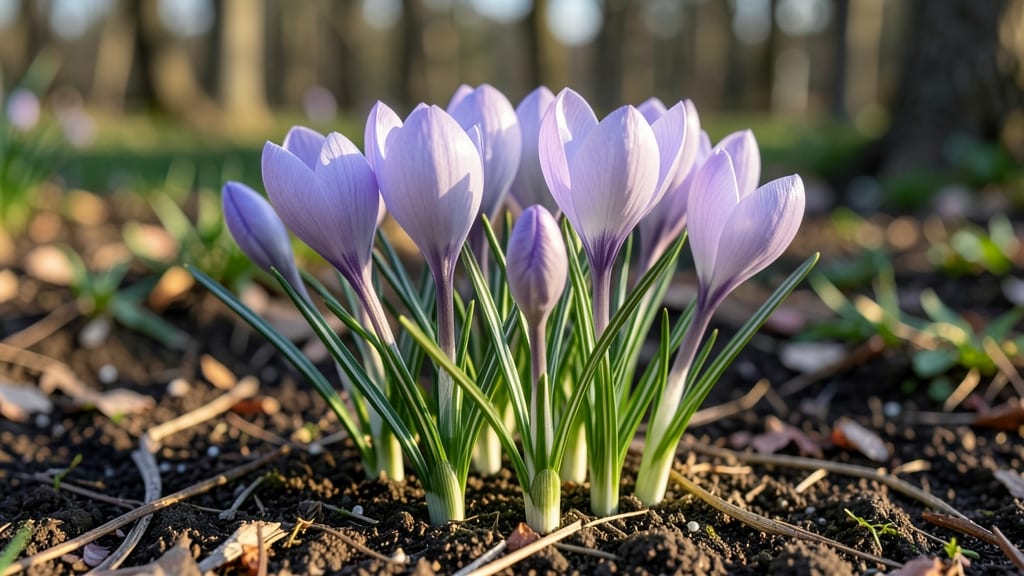
The crocus flower bloom time in late winter to early spring is a fleeting yet vibrant burst of color that signals the thaw 🌷. Wondering when those cheerful purple, white, or yellow crocuses will finally push through your frost-covered soil?
Timing your crocus bloom isn’t just about luck—it’s a science tied to your hardiness zone and planting strategy.
In Zone 6a, like where I garden, most crocuses pop up by mid-March, but cooler zones can see them as early as February. Meanwhile, warmer regions might delay blooms until April, and late-winter varieties like Crocus tommasinianus can even bloom in December if planted right.
What you plant—and when—makes all the difference. Fall-planted corms (like those September-October bulbs) need 6+ hours of sunlight and well-drained soil to force early blooms. Skip the fertilizer, though—too much nitrogen steals energy from flowers and pushes leaves instead.
Below, I break down the month-by-month bloom calendar for your zone, plus 3 proven tricks to coax earlier or longer blooms. Spoiler: timing your watering and choosing the right variety can add weeks to your display.
Crocus bloom time by USDA hardiness Zone: month-by-month calendar
Crocuses are nature’s cheerful harbingers of spring, but their exact bloom time depends entirely on your USDA hardiness zone.
In colder climates like Zone 3, you might see them poking through snow in late February, while milder Zone 10 gardens enjoy late winter blooms as early as December. Understanding these patterns helps you plant for peak color and avoid disappointment.
The key to timing crocus blooms lies in their dormancy cycles. Most varieties need a period of cold to trigger flowering, which explains why fall-planted corms often bloom earlier than spring-planted ones.
Microclimates—like sunny slopes or sheltered spots—can also shift bloom windows by 2-4 weeks. Let’s break down what to expect in your zone.
In Zone 3, where winters are harsh, crocuses like Crocus vernus often bloom as early as late February, sometimes even while snow still lingers. These early spring bloomers thrive on the cold stratification they receive during winter.
If you’re in Zone 7, you’ll notice late winter bloomers like Crocus tommasinianus appearing in January, especially in sheltered microclimates.
For Zone 10 gardeners, crocuses planted in fall can bloom as early as October, creating a stunning display before many other perennials wake up. Varieties like Crocus sativus (saffron crocus) are particularly well-suited for these mild climates, often flowering in late fall and again in early spring.
This dual blooming is rare but possible with the right care.
How to extend crocus bloom time: planting and care tips for longer flowers
Crocuses are nature's early spring cheerleaders, but their blooms can feel fleeting. The secret to extending their show lies in your planting strategy and ongoing care.
By adjusting when and how you plant these perennial corms, you can push blooms earlier in the season or even coax a second round of flowers. I've found that fall planting in cooler climates often yields longer bloom periods than spring planting.
Your crocuses' bloom time also depends heavily on their sunlight exposure and soil conditions. Unlike many spring flowers, crocuses thrive in well-draining soil with minimal fertilizer.
Over-fertilizing can actually shorten their bloom time by encouraging leaf growth over flower production. Let's explore the practical steps to make your crocuses bloom longer and brighter.
🌱 Top 5 Ways to Extend Crocus Bloom Time
- 📅 Plant in fall (September-October) for earlier spring blooms and longer displays
- ☀️ Place in full sun locations (6+ hours daily) to maximize flower production
- 💧 Water sparingly—overwatering causes rot and shorter blooms
- 🌿 Leave faded blooms on stems to encourage second blooms later in spring
- 🔄 Divide crowded clumps every 3-4 years to revitalize blooming
One of my favorite tricks for extending crocus bloom time is to plant them in layers with bulbs like tulips or daffodils. This creates a sequential bloom effect that stretches your garden's color palette from early spring through late spring.
The key is to plant crocuses 3-4 inches deep and 3-4 inches apart—this spacing gives their small corms room to establish without competing for nutrients.
For gardeners in warmer climates (Zones 8-10), fall-planted crocuses often bloom in winter, providing early color. In these regions, I recommend planting Crocus tommasinianus varieties, which naturally bloom later than their spring counterparts.
The trick is to water them thoroughly after planting but then let nature take its course—they're remarkably drought-tolerant once established.
After your crocuses finish blooming, resist the urge to cut back the leaves immediately. These green leaves are crucial for next year's blooms as they photosynthesize and store energy in the corms. I wait until the leaves turn yellow and crispy before removing them, usually by early summer.
This simple practice can extend your crocuses' lifespan by 3-5 years and ensure more abundant blooms annually.
For a truly spectacular display, try planting crocuses in containers or window boxes. The confined space forces them to bloom more densely, and you can move containers to follow the sun's path throughout the day.
Just remember to use a fast-draining mix—crocuses hate soggy roots. With these care tips, you'll enjoy longer, more vibrant crocus blooms year after year.