
Blooming
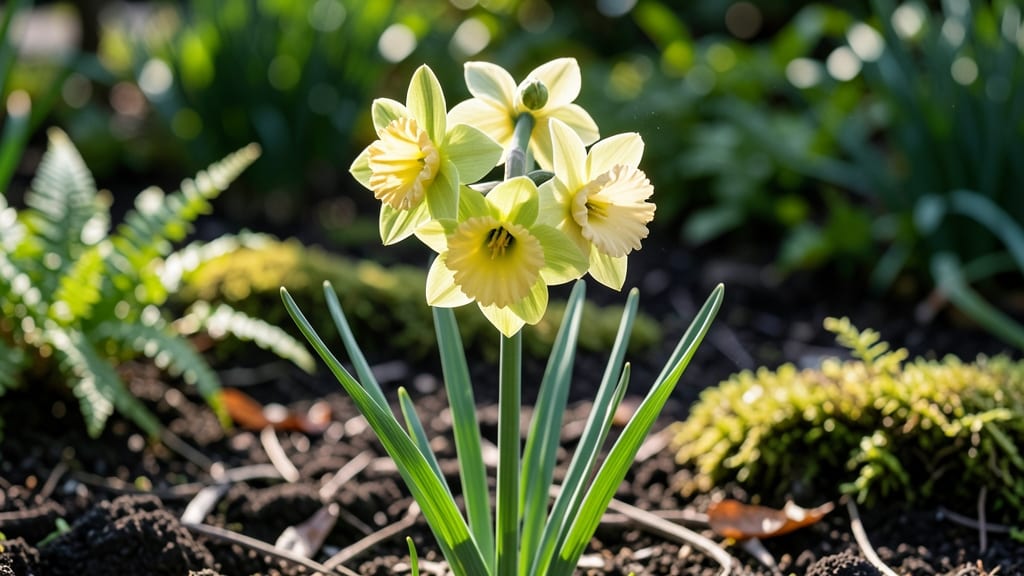
Daffodils bloom in spring, typically between April and May, when their bright 🌼 colors signal the season’s renewal—but timing varies wildly depending on variety, climate, and care.
Wondering why your daffodils aren’t blooming when they should—or how to coax earlier flowers—understanding their natural bloom cycles and growth triggers is the key to a vibrant spring display.
Some varieties, like early bloomers, push through snow in March, while late-season types wait until June, and your local USDA zone can shift that window by weeks. Even the right planting depth and soil warmth play a role.
Here’s how to predict your daffodils’ bloom time, spot delays early, and use simple tricks to bring those cheerful faces forward—without sacrificing next year’s show.
Natural daffodil bloom time: months, varieties, and climate factors
If you’ve ever planted daffodil bulbs hoping for a bright spring show but ended up with disappointing delays, you’re not alone. Daffodils are famous for their reliable blooming, but their timing depends heavily on variety, climate zone, and seasonal triggers.
Understanding these factors helps you predict—and even adjust—when those cheerful yellow trumpets will appear.
The typical bloom window for most daffodils spans from late winter to early spring, but exact timing varies by cultivar type. Early bloomers might surprise you in February, while late varieties hold off until May.
Even within the same garden, different daffodil species can bloom weeks apart, creating a staggered spring display. Let’s break down what influences their schedule and how to work with it.
Climate zone plays a huge role—daffodils planted in warmer USDA zones (8-10) may bloom earlier than those in colder zones (3-5). For example, a Tête-à-Tête daffodil in Southern California (Zone 10) might flower in January, while the same variety in Minnesota (Zone 4) could wait until April. Daylight hours and soil temperatures also trigger blooming, meaning your local first frost date and last frost date set the stage.
Here’s a quick reference for how daffodil varieties align with bloom times and USDA zones, along with the key climate factors that shift their schedule:
The early bloomers, like Jonquil and Ice Follies, thrive in cooler climates and often push through snow for a February surprise. These varieties need 6–8 weeks of chill hours (below 40°F) to trigger blooming, making them ideal for USDA Zones 3–7.
In warmer zones (8–10), they may bloom even earlier, sometimes as soon as January.
Mid-season daffodils, such as Tête-à-Tête and Dutch Master, are the crowd-pleasers of spring gardens. They typically bloom in March–April and handle a wider range of USDA zones (4–9). These varieties respond to increasing daylight, so gardens in northern latitudes (like Zone 5) may see blooms slightly later than those in Zone 7. For a prolonged display, mix early and mid-season types in the same bed.
If you’re dreaming of late-spring blooms, varieties like Paperwhite and King Alfred deliver April–May color. These taller daffodils (often 18–24 inches) prefer warmer soil temperatures (50
5 Proven methods to trigger earlier daffodil blooms
If you're eager to see those cheerful daffodil blooms push through the soil weeks before your neighbors', you're not alone. These hardy perennials follow a natural bloom cycle, but with a few strategic tweaks, you can coax them into flowering earlier.
The secret lies in understanding their growth triggers—like chilling requirements and light exposure—then giving them the right conditions to wake up sooner.
Daffodils need a cold dormancy period to break their dormancy and signal blooming. Without this, they can become lazy, delaying flowers until later in spring. The good news? You can manipulate their environment to jumpstart their cycle.
Whether you're dealing with late bloomers or just want to extend your spring color, these five science-backed methods will help you achieve earlier, more vibrant blooms.
Store bulbs in a cool, dark place (35-45°F) for 8-12 weeks before planting. This mimics winter dormancy and ensures they’re ready to bloom earlier.
Bury bulbs 6-8 inches deep in loamy soil to insulate them from rapid temperature changes. Deeper planting protects roots and encourages stronger, earlier growth.
Cover soil with black landscape fabric after planting to absorb sunlight and warm the soil faster. This accelerates root growth and can advance blooming by 1-2 weeks.
Opt for ‘Tête-à-Tête’ or ‘Ice Follies’—dwarf varieties that bloom 2-3 weeks earlier than standard types. Their smaller size also makes them ideal for containers.
Move potted daffodils to the sunniest spot in your garden once shoots appear. 6+ hours of sunlight daily boosts photosynthesis, helping bulbs produce flowers faster.
One of my favorite tricks is pre-chilling bulbs indoors before planting. I store them in a garage or refrigerator (not the crisper drawer—too cold!) for 10-12 weeks. This mimics the natural winter dormancy they need to break.
By the time I plant them in early fall, they’re already primed to sprout and bloom earlier than bulbs planted straight from the store.
For gardeners in warmer climates, where winters are mild, pre-chilling is essential. Without it, daffodils may wait until late spring or even summer to bloom. I’ve seen this firsthand in USDA Zone 8: bulbs planted without chilling often produce leaves but no flowers until June or July.
Not ideal for a spring garden!
Another game-changer is black plastic mulch. After planting, I cover the soil with landscape fabric to trap heat. This isn’t just about warming the soil—it also suppresses weeds and retains moisture.
I’ve noticed a clear 10-day difference in bloom time when using this method compared to uncovered beds. Plus, the fabric breaks down over time, adding organic matter to the soil.
Don’t overlook the power of light exposure either. Daffodils are sun lovers, and once those first green shoots appear, they crave as much sunlight as possible. If you’re growing them in containers, move them to the brightest spot in your yard or patio.
I keep mine near a south-facing window during early spring to give them a head start.
Finally, if you’re planting new bulbs, choose early-season varieties like ‘February Gold’ or ‘Soleil d’Or’. These are bred to bloom in late winter or early spring, often beating traditional varieties by weeks. Pair them with mid-season types for a staggered bloom display that lasts from February through April.