
Blooming
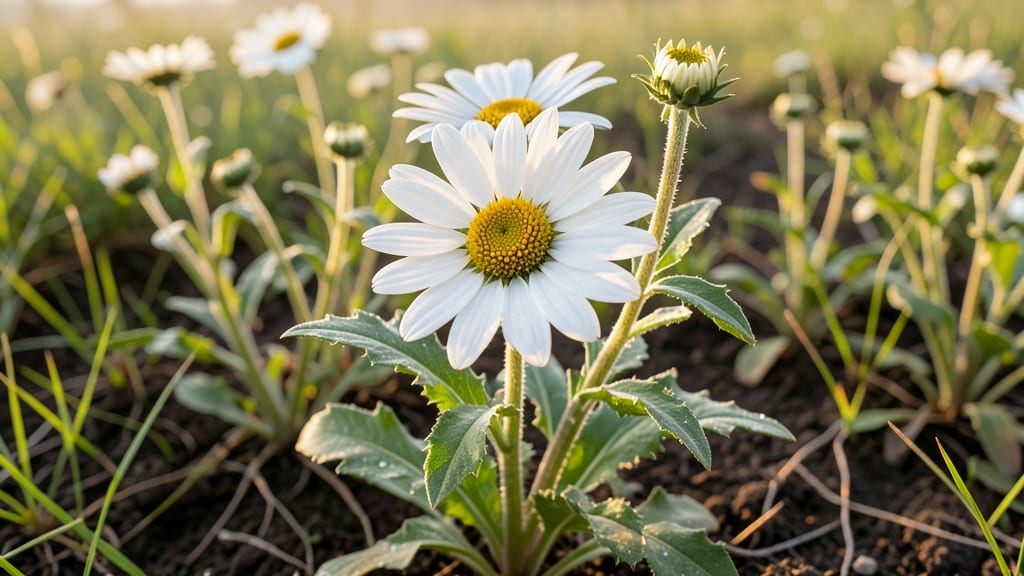
Your daisy bloom season starts earlier than you think—some varieties throw out those cheerful purple spikes as early as late May in warm climates, while others wait until July in cooler zones. 🌸 I’ve watched my own daisies go from tight buds to full bloom in just 10 days when conditions are right, and the secret isn’t deadheading (they rebloom effortlessly), but getting the timing and care just right from the start.
The exact bloom window depends on your variety—some daisies bloom once in spring, while others like the Shasta daisy or Gerbera can stretch their show into fall with proper care. Climate plays a huge role: Southern gardeners might see blooms by April, while Northern growers wait until June.
The key is choosing the right variety for your zone and giving them full sun (at least 6 hours daily) to trigger those vibrant spikes.
What you’ll end up with is a garden that stays in bloom for months—no fuss, no constant deadheading, just wave after wave of cheerful flowers. Pair them with black-eyed Susans for contrast or lavender for fragrance, and you’ll extend the season even further.
The best part? These daisies thrive in average soil, so even beginners can’t go wrong.
Here’s the game-changer: a little early spring feeding with balanced fertilizer and regular watering (but not soggy soil) keeps them blooming like clockwork. Once established, they’re practically maintenance-free—just watch them spread and enjoy the show. Ready to plan your daisy season?
📚 In This Guide
- What you need
- Instructions
- Tips and common mistakes
- Wrapping up and next steps
What you need
- ● Daisy plants: Choose reliable rebloomers like Gerbera daisies or Shasta daisies (6–12 plants per 10 sq. ft. for full coverage). Opt for potted plants (3–4" pots) or bare-root seedlings for best results.
- ● Well-draining soil: Mix 1 part garden soil with 1 part compost (50 lbs total for 10 sq. ft.). Add perlite or sand (5 lbs) if your soil is heavy clay.
- ● Fertilizer: Slow-release 10-10-10 granular fertilizer (1 lb per 10 sq. ft.) or liquid bloom booster (e.g., Miracle-Gro Bloom, 1 gallon).
- ● Mulch: 2–3 inches of organic mulch (straw, shredded bark, or pine needles) to retain moisture and suppress weeds.
- ● Watering tools: Hose with adjustable nozzle (for gentle watering).
- ○ Drip irrigation kit (optional but ideal for consistent moisture).
- ● Garden trowel (for planting).
- ● Pruning shears (sharp, bypass-style for clean cuts).
- ● Gloves (gardening or work gloves for protection).
- ● Measuring tape (to space plants 12–18" apart).
- ● Wheelbarrow or bucket (for mixing soil/fertilizer).
- ● Sunlight: Full sun (6+ hours daily)—daisies thrive in bright, open spaces.
- ● Watering schedule: 1–1.5 inches of water per week (deep watering 2–3x/week).
- ● Deadheading plan: Skip it! These daisies rebloom naturally—just let spent blooms stay for seed heads (or snip them for dried arrangements).
- ● Pest watch: Monitor for aphids or slugs; use neem oil or diatomaceous earth if needed.
How to extend daisy bloom season with minimal effort
Here’s the secret to keeping those purple daisy spikes blooming all season without constant deadheading—just a few key adjustments.
🌱 Step 1: Choose the Right Daisy Variety for Long Bloom
Not all daisies are created equal. For zero-deadheading rebloom, opt for Gerbera daisies or Shasta daisies—both naturally produce multiple flushes of blooms. Avoid single-bloom varieties like Oxeye daisies, which focus energy on one spectacular flower before fading. I always check the label for "reblooming" or "continuous bloom" guarantees before buying.
If you already have daisies, observe their growth habit. True rebloomers will produce secondary buds at the base of spent blooms. You’ll see these as small green bumps forming even as the first flowers fade—a clear sign you’ve got a winner. If your daisies just produce one big bloom and then nothing, it’s time to replace them with reblooming types.
☀️ Step 2: Position for Maximum Sunlight and Airflow
Daisies need 6-8 hours of direct sun daily to keep producing blooms. I’ve found that morning sun with afternoon shade works best in hot climates—it prevents the flowers from wilting before they fully open. If your daisies are in a shady spot, they’ll put all their energy into leaves instead of blooms.
Equally important is airflow. Crowded plants develop fungal issues that weaken stems and reduce flowering. Space daisies 18-24 inches apart and prune neighboring plants to improve circulation. You’ll notice healthier stems and more consistent blooms when air moves freely around the foliage.
💧 Step 3: Water Deeply but Infrequently
Daisies hate soggy roots, but they also won’t rebloom if they’re thirsty. Water deeply once a week rather than lightly daily—this encourages roots to grow downward, making plants more drought-tolerant. The best time to water is in the early morning so foliage dries quickly and reduces disease risk.
Check moisture by sticking your finger 2 inches into the soil. If it feels dry, water until moisture reaches 6 inches deep. Overwatering causes yellow leaves and stunted blooms, while underwatering leads to droopy petals. I’ve seen daisies recover from drought stress but never from root rot—so err on the side of slightly dry rather than soggy.
✂️ Step 4: Light Pruning to Encourage New Growth
Here’s where the "zero deadheading" magic happens. Instead of snipping off every spent bloom, focus on pruning leggy stems and removing only the very bottom leaves that touch the soil. This keeps energy flowing to the plant rather than wasting it on seed production.
After the first flush of blooms fades, cut back stems by one-third just above a set of healthy leaves. You’ll see new shoots emerge within 2-3 weeks, and these will produce your next round of flowers. Avoid heavy pruning mid-season—it stresses the plant and delays reblooming.
🌿 Step 5: Feed Strategically for Continuous Blooms
Use a balanced, water-soluble fertilizer (10-10-10) every 4-6 weeks during the growing season. I mix it at half-strength to avoid burning roots—daisies are sensitive to over-fertilizing, which can lead to lush foliage but fewer blooms. Apply fertilizer in the morning after watering so the roots absorb it immediately.
For organic gardeners, a compost tea every 2 weeks provides slow-release nutrients without risk of overfeeding. You’ll know you’re doing it right when you see new buds forming at the base of stems rather than just bigger leaves. Stop fertilizing in late summer to let the plant harden off for winter.
Tips & tricks for extending daisy bloom season
Here's what nobody tells you about keeping those purple daisy spikes blooming effortlessly.
Variety Matters: When selecting daisies, look beyond just the color—focus on the label for "reblooming" or "continuous bloom" guarantees. Gerbera and Shasta daisies are your best bets for zero-deadheading rebloom. I've learned this the hard way after planting Oxeye daisies that only produced one spectacular bloom before fading completely. The key is those secondary buds forming at the base of spent blooms—those little green bumps are your secret weapon for continuous flowers.
Sunlight Strategy: The 6-8 hours of direct sun requirement isn't just about quantity—it's about timing. Morning sun with afternoon shade in hot climates prevents wilting before flowers fully open. I've seen daisies in full afternoon sun look crispy by evening, while those with morning sun protection stay vibrant all day. Position your daisies where they get the sun's gentlest rays during peak heat hours.
Watering Wisdom: The "deeply once a week" approach might seem counterintuitive, but it works wonders. I've found that watering until moisture reaches 6 inches deep actually encourages deeper root growth. Use a moisture meter or your finger to check—if the top 2 inches feel dry, that's your cue. The early morning watering time is critical too; it gives foliage time to dry completely, preventing fungal issues that can weaken stems and reduce flowering.
Pruning Precision: That one-third stem cut after the first bloom flush is where the magic happens. I've seen gardeners get frustrated when they don't see immediate results, but be patient—new shoots emerge within 2-3 weeks. The key is cutting just above a set of healthy leaves, not at a joint. This simple technique redirects the plant's energy toward producing more flowers rather than seeds, giving you that continuous bloom effect without constant deadheading.
Pro Tips for Daisy Bloom Season
- Here's what nobody tells you about keeping those purple daisy spikes blooming effortlessly.
- Variety Matters: When selecting daisies, look beyond just the color—focus on the label for "reblooming" or "continuous bloom" guarantees.
- Sunlight Strategy: The 6-8 hours of direct sun requirement isn't just about quantity—it's about timing.
Frequently asked questions
Got questions about daisy bloom season?
You’re not alone! Here are some of the most common queries—and their answers—to help you make the most of those cheerful purple spikes.
When is the best time to plant daisies for peak blooms?
For long-blooming daisies (like Shasta or Gerbera), plant in early spring (after the last frost) or early fall (6-8 weeks before the first frost). This gives roots time to establish before summer heat or winter cold. Perennials thrive with this timing, while annuals can be sown directly in spring for summer blooms.
Why aren’t my daisies reblooming like they should?
Even zero-deadheading daisies need a few key things: full sun (6+ hours/day), well-draining soil, and regular watering (deep but infrequent). If blooms fizzle, check for overcrowding (thin plants) or nutrient deficiencies (add compost or a balanced fertilizer in spring). Pests like aphids can also stunt growth—spray with soapy water if needed.
Can I grow daisies in containers? What’s the best setup?
Choose compact varieties like Gerbera daisies or pincushion flowers for containers. Use a pot at least 12 inches deep with drainage holes, and fill it with light, airy potting mix. Place in a sunny spot (south- or west-facing windowsill or balcony) and water when the top inch of soil is dry. Pro tip: Add a slow-release fertilizer to extend bloom season!
What’s the deal with purple spikes? Are they harmful?
Those purple-tinged stems (often seen in African daisies) are completely harmless—they’re just a natural variation! Some daisies develop anthocyanins (pigments) in cooler weather, giving stems a lavender hue. If you’re worried about pests, inspect leaves for holes or sticky residue. Healthy stems should be firm and upright—no need to prune unless they’re flopping.
What’s a good alternative if daisies don’t thrive in my climate?
If your area has hot summers or harsh winters, try these low-maintenance rebloomers:
- Black-eyed Susans – Drought-tolerant and self-seeding.
- Coneflowers – Thrives in poor soil and attracts pollinators.
- Zinnias – Fast-growing annuals with bold colors.
- Coreopsis – Heat-loving and deadhead-resistant.
Wrapping up and next steps
Witnessing your daisies burst into vibrant purple spikes—without the fuss of deadheading—is pure magic! 🌸 The secret lies in choosing the right varieties, like Gerbera daisies or Shasta daisies, and giving them the love they crave: sunlight, well-draining soil, and patience.
Now that you’re armed with tips to extend their bloom season, why not plant a few today? Grab your gardening gloves, pick a sunny spot, and let nature do the rest. Your garden will thank you with season-long color!
💡 Next step: Start small—try a single pot or a patch in your yard. Before you know it, you’ll have a reblooming daisy paradise that turns heads (and maybe even inspires your neighbors!). Happy gardening! 🌿