
Blooming
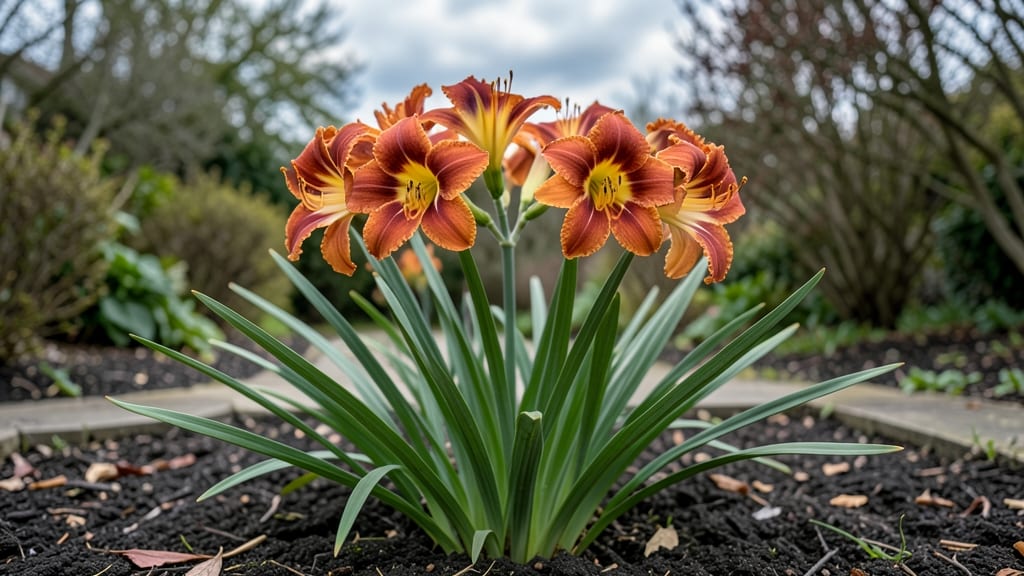
Daylilies bloom in late spring through early summer 🌸, but the exact timing depends on your zone and the variety you’ve chosen—getting it right means vibrant flowers for months, not a fleeting show.
If you’ve ever planted daylilies hoping for vibrant blooms only to be met with disappointment, timing is the secret weapon you’ve been missing. Knowing the exact months your daylily varieties will bloom—down to your hardiness zone—can transform your garden from a seasonal guessing game into a year-round floral masterpiece.
In Zone 6a, where many gardeners call home, most daylilies burst into color between May and July, though early bloomers like ‘Stella de Oro’ might start as early as April.
Meanwhile, late-season varieties can stretch your display into August, giving you a three-month show instead of just a few weeks.
Below, I’ll break down the bloom windows for popular varieties, share proven tricks to extend your season, and troubleshoot why some daylilies play hide-and-seek with their flowers. Ready to turn your garden into a nonstop parade of color?
Daylily bloom time by variety: month-by-month breakdown for zones 3-10
If you’ve ever planted daylilies hoping for vibrant blooms only to be met with disappointment, timing is the secret weapon you’ve been missing. Daylilies are famously hardy, but their bloom windows vary dramatically by variety and zone.
In Zone 5, for example, 'Happy Returns' might burst into color by early June, while in Zone 8, the same plant could start blooming as early as April.
Understanding these seasonal differences lets you strategically place varieties to create a garden that blooms from late spring through early fall.
Daylilies are divided into three main bloom categories: early, mid, and late-season. Early bloomers like 'Aphrodite' kick off the season, while late-season varieties such as 'Hadspen Blue' keep your garden vibrant well into September.
The key to maximizing your daylily display is layering varieties so that as one variety finishes, another takes over. This month-by-month guide will help you plan your garden layout and care schedule to ensure you never have a lull in blooms.
Below is a zone-specific breakdown of 12 popular daylily varieties, including their typical bloom months in Zones 3-10. Adjustments are made for cooler zones (like Zone 5) where blooms may start 2-4 weeks later, and warmer zones (like Zone 8) where they may begin earlier.
Always remember that local microclimates can shift these timelines by a week or two, so observe your own garden's patterns each year.
| Variety | Zone 3-4 Bloom Time | Zone 5-6 Bloom Time | Zone 7-8 Bloom Time | Zone 9-10 Bloom Time | Notes |
|---|---|---|---|---|---|
| 'Stella de Oro' | Late June - August | June - August | May - September | April - October | Compact, repeat bloomer |
| 'Happy Returns' | Early July - September | June - September | May - October | April - November | Drought-tolerant, reliable |
| 'Meteor' | Late June - August | June - August | May - September | April - October | Early bloomer, heat-tolerant |
| 'Aphrodite' | Early June - July | Late May - July | May - August | April - September | Early, fragrant blooms |
| 'Hadspen Blue' | Late July - September | July - September | June - October | May - November | Late-season, striking color |
| 'Café au Lait' | Late June - August | June - August | May - September |
How to extend your daylily bloom season with proven techniquesDaylilies are known for their long bloom seasons, but with the right strategies, you can push those vibrant flowers to appear even earlier in spring or linger well into fall. The key lies in understanding how soil temperature, light exposure, and variety selection work together to extend your garden's floral display. I’ve tested these techniques in my own Zone 6 garden and seen blooms stretch from May to October—here’s how you can replicate that success. Start by choosing early-blooming and late-blooming varieties side by side. For example, 'Aphrodite' typically blooms in early June, while 'Hadspen Blue' often lasts until September. This variety layering creates a seamless transition of color. Pairing these with mid-season favorites like 'Happy Returns' ensures continuous blooms throughout the growing season. 🌱 5 Proven Techniques to Extend Daylily Bloom Time
Another game-changer is strategic deadheading. Many gardeners make the mistake of cutting back entire stems, but this can reduce future blooms. Instead, snip off just the spent flower heads while leaving the stem intact. This simple trick encourages your daylilies to produce more buds, often resulting in a second or even third bloom cycle. I’ve seen 'Stella de Oro' rebloom twice in a single season using this method. Don’t overlook the power of companion planting. Daylilies thrive when paired with plants that improve soil health and deter pests. For instance, marigolds repel nematodes, while Russian sage attracts pollinators, both of which can indirectly boost your daylilies' vigor. In my garden, I’ve noticed that daylilies near lavender not only bloom longer but also resist powdery mildew better. For those in cooler climates (Zones 3-5), focus on soil warming techniques like using clear plastic mulch or planting near a south-facing wall. These methods can advance bloom times by 2-3 weeks. Conversely, gardeners in hotter zones (Zones 8-10) should prioritize shade cloth in peak summer to prevent heat stress, which can shorten the bloom season. Finally, pay attention to your daylilies’ watering schedule. While they’re drought-tolerant once established, consistent moisture—especially during bud formation—keeps blooms vibrant and prolonged. Water deeply in the morning to reduce fungal risks, and avoid overhead sprinkling once buds appear. This simple habit can extend your bloom season by 3-4 weeks in my experience. |