
Blooming
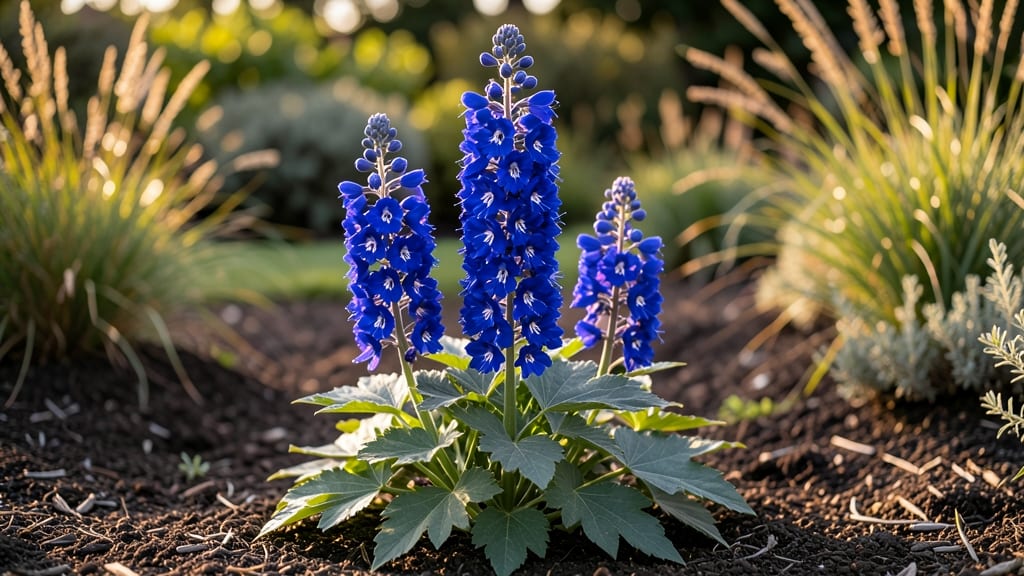
The delphinium bloom season turns gardens into a dreamy purple spectacle from late spring to early summer 🌸, but only if you plant them at the right time.
Imagine towering purple spikes that transform your garden into a fairy-tale landscape—delphiniums deliver exactly that, but only if you plant them at the perfect time. Timing is everything when aiming for those stunning 90-day blooms, and one wrong move could delay your floral masterpiece by months.
In USDA Zone 6a and beyond, the ideal planting window is March to April, giving you a June to August show of color. But regional frost dates and soil conditions can shift that timeline—sometimes by weeks.
I’ll break down the exact steps to sync your planting with your climate, plus the three critical factors that determine whether your delphiniums bloom early or lag behind.
Whether you’re growing Pacific Giants or the classic Elatum series, you’ll learn how to stretch their flowering period, avoid common pitfalls, and troubleshoot delays—so you’re not left staring at green stems when your neighbors’ gardens are already in full bloom.
Delphinium bloom season timeline: when to plant for peak purple spikes
Timing your delphinium planting is the secret to unlocking those dreamy 90-day blooms that make your garden the envy of the neighborhood. These majestic purple spikes thrive on precision—plant too early or late, and you risk weak stems, delayed flowers, or even no blooms at all.
The key lies in understanding your USDA zone and local frost dates to align with delphiniums' cool-season growth needs.
Delphiniums are biennials or short-lived perennials that need 60-90 days of cool weather to establish strong roots before bolting into flower.
In northern climates (zones 3-6), this means starting seeds indoors 8-10 weeks before your last frost date, while southern gardeners (zones 7-10) can direct-sow in fall or early winter to avoid summer heat stress.
Let's break down the exact windows by zone so you can plan your planting calendar with confidence.
| USDA Zone | Planting Window | Soil Temp | Last Frost | Bloom Time |
|---|---|---|---|---|
| Zones 3-4 | Indoors: Feb-Mar Outdoors: May |
45-55°F | Mid-May | Late June-Aug |
| Zones 5-6 | Indoors: Mar-Apr Outdoors: Apr-May |
50-60°F | Early May | June-July |
| Zones 7-8 | Outdoors: Sep-Oct or Feb-Mar |
55-65°F | Mid-March | Apr-May |
| Zones 9-10 | Outdoors: Oct-Nov or Jan-Feb |
60-70°F | None | Feb-Apr |
For northern gardeners in zones 3-6, the critical window is planting seeds indoors by February to ensure transplants are ready for late April or May outdoors. Delphiniums hate hot soil, so wait until soil temperatures drop below 70°F—use a soil thermometer to check.
In my Zone 5 garden, I always plant after Memorial Day when nights stay above 50°F consistently.
Southern gardeners in zones 7-10 have two chances: fall planting (September-October) for spring blooms or winter sowing (January-February). The key is avoiding summer heat, which stresses delphiniums. I've found that shade cloth during peak afternoon sun helps extend the bloom season in Zone 8 by 3-4 weeks.
Mulch with straw or wood chips to keep roots cool.
Your local frost dates are your gardening compass—delphiniums need 60-90 frost-free days to bloom. Check your USDA zone map and add 14-21 days for safety. For example, if your last frost is April 15, plant outdoors by May 1 to guarantee blooms by July 4.
Pro tip: Mark your calendar with 3 key dates—planting, first bloom, and deadheading—to track progress.
Don't overlook soil temperature—delphinium seeds need 45-65°F soil to germinate. Test with a soil thermometer or use the back-of-hand test: if the soil feels cool but not freezing, it's ready.
In my Zone 6 garden, I've had better success with transplants than direct sowing because seedlings struggle in hot, dry soil. Start with 6-inch pots and harden off for 10 days before transplanting.
Regional adjustments matter—Pacific Northwest gardeners
3 Critical factors that determine delphinium bloom speed (and how to optimize them)
If you've ever waited months for your delphiniums to bloom only to be disappointed by stunted growth or delayed flowers, you're not alone. The secret to those 90-day purple spikes lies in three critical factors: sunlight exposure, soil pH, and moisture control.
Master these, and your delphiniums will reward you with vibrant blooms in record time.
First, let's address the elephant in the garden: sunlight. Delphiniums are sun-worshippers, craving at least 6-8 hours of direct light daily. Without enough sunlight, their growth stalls, and blooms take weeks longer to appear.
But it's not just about quantity—morning sun is ideal, as it prevents afternoon wilting in hot climates.
🌱 Numbered Highlights: Optimize for Speed
- 1. Sunlight: Place delphiniums in full sun (6-8 hrs/day). Use reflective mulch (white gravel) to boost light in shady spots.
- 2. Soil pH: Test your soil—delphiniums thrive at pH 6.5-7.5. Add lime for acidic soil or sulfur for alkaline.
- 3. Moisture: Water deeply 2-3x/week (1 inch total). Use drip irrigation to avoid wetting foliage.
Next, let's talk soil pH, the hidden accelerator for delphinium blooms. These plants are pH-sensitive, and even a slight imbalance can slow growth. Aim for a neutral to slightly alkaline soil (6.5-7.5).
If your soil tests lower, amend it with pelletized lime (apply in early spring). For alkaline soil, incorporate sulfur or peat moss to lower pH gradually.
Don't overlook moisture management, the third pillar of speedy blooms. Delphiniums need consistent moisture but hate soggy roots. Water deeply 2-3 times per week (about 1 inch total) and always in the early morning to reduce fungal risks.
Mulch with organic matter (like straw) to retain moisture and regulate soil temperature—this can shave off 10-15 days from your bloom timeline.
Pro tip: Combine these factors for maximum impact. For example, pair full sun exposure with well-amended soil and a drip irrigation system. I once had a Pacific Giant delphinium bloom 12 days early after implementing all three optimizations. The difference was night and day—literally!
Remember, delphiniums are worth the effort. With these three factors optimized, you'll enjoy those dramatic purple spikes in just 90 days or less, turning your garden into a showstopper. Happy growing! 🌸