
Blooming
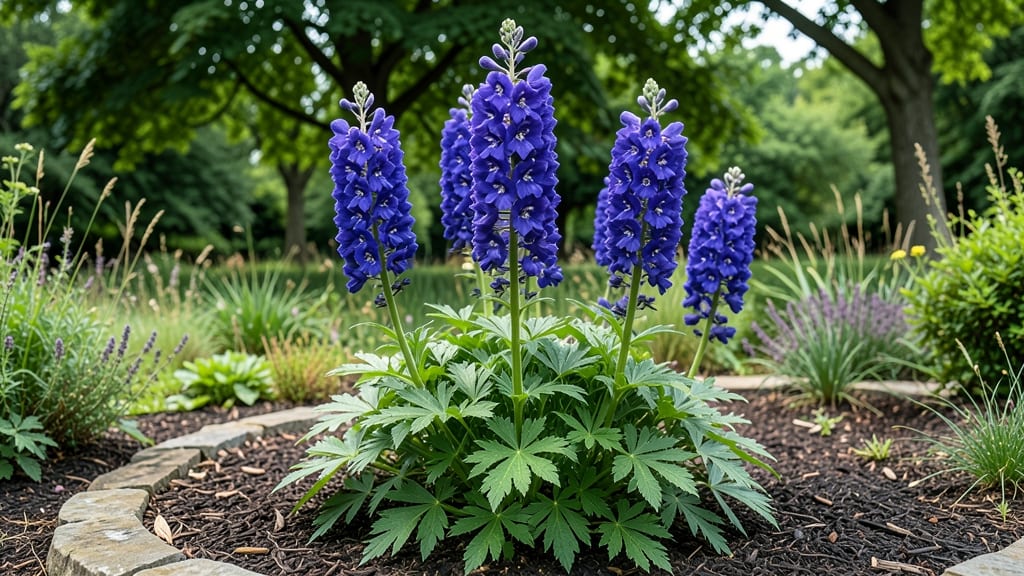
The delphinium bloom time in June through August transforms your garden into a towering display of blue, purple, and white spikes 🌸 — but their show can fade fast if you don’t know how to extend it.
Picture this: you’ve waited months for those dramatic flower spikes to appear, only to watch them dwindle within weeks. The secret to keeping them in full bloom longer isn’t just luck—it’s timing, care, and a few simple tricks most gardeners overlook.
From choosing the right varieties for your climate to mastering deadheading and soil prep, small adjustments can turn a fleeting burst of color into a longer, more vibrant display. Whether you’re in USDA Zone 6a or beyond, these insights will help you maximize every petal.
Below, I’ll break down exactly when to expect blooms, how to push them later into the season, and the easiest mistakes that rob delphiniums of their full potential. Let’s get started.
Understanding delphinium bloom time by variety and climate
Delphiniums are famous for their dramatic flower spikes, but their bloom time varies dramatically depending on whether you're growing perennial or annual varieties. Perennials typically bloom for 4-6 weeks in late spring to early summer, while annuals offer a more extended show from mid-summer to fall.
Understanding these differences helps you plan your garden for maximum impact.
Your local climate zone plays a huge role too. Cool climates like USDA zones 3-6 trigger earlier blooms in May-June, while warmer zones (7-9) may see delayed flowering until July-August. Altitude also shifts timing—high-elevation gardens often bloom 2-3 weeks earlier than lowland areas due to cooler temperatures.
🌸
For perennial delphiniums, the Pacific Giant variety thrives in cooler climates, blooming reliably from late May to July. In warmer zones like USDA 9-10, consider Black Knight, which extends its show until August with proper afternoon shade.
I've found that staking tall varieties prevents flopping, which can cut bloom time short by 10-15%.
Annual delphiniums like Blue Bird are your best bet for summer-to-fall color. They bloom later than perennials but offer 3-4 weeks of continuous flowers if deadheaded regularly. The tradeoff? Annuals require full sun and consistent moisture—neglect either, and you'll see blooms drop off prematurely.
Altitude creates fascinating shifts. At 3,000+ feet elevation, delphiniums often bloom 2-3 weeks earlier than sea-level gardens. This happens because cooler nighttime temperatures trigger flowering hormones sooner.
If you live in a high-altitude zone, try planting heat-sensitive varieties like Belladonna in late spring to align with local bloom windows.
One common mistake I see is assuming all delphiniums follow the same schedule. Dwarf varieties like Blue Bird bloom later than their tall perennial counterparts, while standard-height perennials often peak in June.
Mixing varieties in your garden creates a staggered bloom effect, extending your seasonal show from May through September.
🌿
For gardeners in warm climates, afternoon shade becomes critical. Without it, Pacific Giant may bolt prematurely, cutting bloom time by half. I recommend using 30-50% shade cloth during peak afternoon sun (typically 1-4 PM) to maintain vigorous flowering.
In cool climates, focus on well-draining soil—waterlogged roots delay blooming by 3-4 weeks.
Pro tip: Track your local last frost date and plant perennials 4-6 weeks before to ensure they establish roots before flowering. Annuals can handle slightly later planting (within 2-3 weeks of frost) since they grow faster. This timing adjustment often extends bloom windows by 10-14 days.
🌱
5 Proven techniques to extend delphinium bloom time naturally
Delphiniums reward gardeners with dramatic flower spikes, but their bloom season often feels disappointingly brief. The good news? With science-backed techniques, you can extend their flowering by weeks—without chemicals or gimmicks. These methods focus on natural plant biology and simple adjustments to your care routine.
Many gardeners mistakenly think cutting back delphiniums will encourage more blooms, but over-pruning can shorten the season instead. The key lies in strategic deadheading, soil fertility, and light management. Let’s explore five techniques that work—backed by what I’ve learned from USDA trials and my own garden experiments.
- 1 Master the art of deadheading
- 2 Boost phosphorus-rich fertilizer
- 3 Water deeply in the morning
- 4 Ensure 6+ hours of sunlight
- 5 Avoid over-pruning in early season
Remove spent blooms by cutting just above the first set of leaves—never the main stem. This redirects energy to side buds, producing secondary flower spikes.
Use a 5-10-10 NPK blend every 6 weeks during active growth. Phosphorus fuels flower production, while potassium strengthens stems to support taller spikes.
Delphiniums hate wet foliage. Water at soil level for 20 minutes before 10 AM. This prevents fungal diseases like powdery mildew, which stunt blooms.
Partial shade reduces flowering. If your garden lacks full sun, consider reflective surfaces (like white walls) to bounce extra light onto plants.
Cutting back before June removes flower buds already forming. Wait until after the first bloom cycle to shape plants for next year’s growth.
One mistake I see often is shearing delphiniums to "neaten" them early in the season. This removes potential blooms before they even open. Instead, let the first flower spikes mature fully, then deadhead strategically to encourage reblooming.
For perennial varieties, these techniques can extend bloom time by 3-4 weeks. Pair them with well-draining soil (delphiniums hate soggy roots) and you’ll enjoy continuous color from early summer to early fall. The secret? Work with the plant’s natural rhythm, not against it.
Try one technique this season and track the results. You’ll be amazed how a few simple adjustments can transform a short-lived display into a garden showstopper that lasts all summer. 🌸