
Blooming
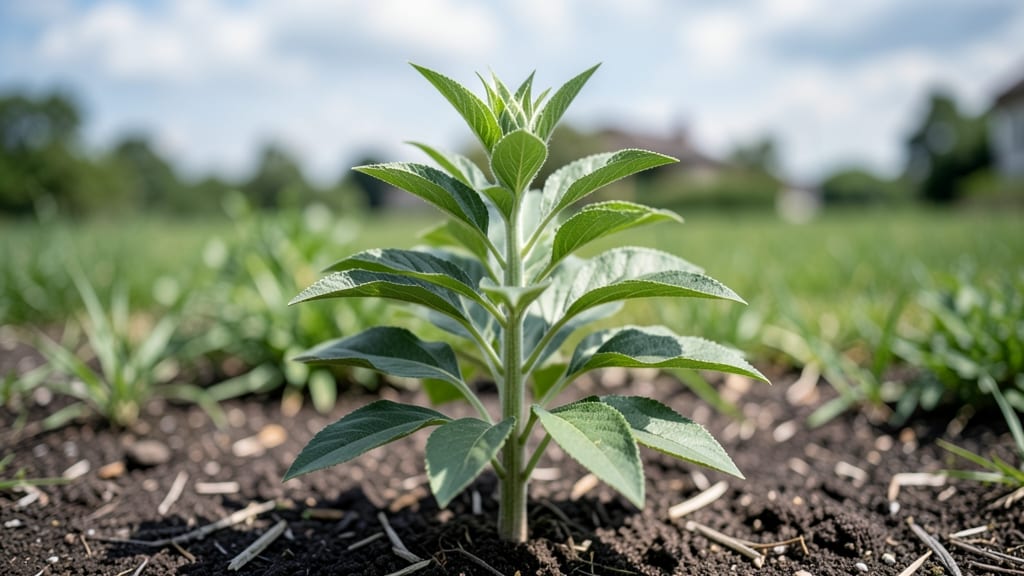
Black Eyed Susans typically do not bloom the first year, as they focus on establishing roots. Planting in early spring ensures stronger growth for summer or fall flowering in the second year, while fall planting may delay blooms further. Proper soil and sunlight are key for eventual vibrant blooms.
Black Eyed Susans prioritize root development during their first growing season, which is why you won't see those iconic golden blooms until year two. 🌱 This biennial growth pattern is actually a smart survival strategy—they build a strong foundation to handle drought and thrive in their second year.
I've found that well-drained soil with plenty of sunlight (at least six hours daily) makes all the difference in encouraging that delayed but spectacular flowering.
What's interesting is how timing affects this process. Early spring planting gives plants the full growing season to establish roots before winter, while fall planting often results in weaker first-year growth.
The key is patience—those first-year leaves might look modest, but they're working hard to set up your garden for a showstopping display next summer.
💡 In This Article
- Why Black Eyed Susans Skip Blooming the First Year
- Best Planting Times for First-Year Black Eyed Susan Growth
Why Black Eyed Susans skip blooming the first year
Black Eyed Susans (Rudbeckia hirta) follow a biennial growth pattern where their first-year energy is entirely focused on developing a robust root system.
This isn't laziness—it's survival strategy. 🌱 The plant allocates up to 70-80% of its energy to creating deep, extensive roots that can access water and nutrients during drought conditions.
These roots can grow 12-18 inches deep in ideal conditions, creating a network that supports the dramatic flowering you'll see in year two.
The flowering process itself is metabolically expensive. Producing those classic 2-inch golden-yellow blooms with dark centers requires significant resources—up to 30% more energy than vegetative growth. The plant prioritizes root development first because a strong foundation means better drought resistance and disease prevention.
This is especially important in their native habitats where summer temperatures can exceed 90°F and rainfall is unpredictable.
Light exposure plays a crucial role in this dormancy. Black Eyed Susans are short-day plants, meaning they need less than 12-14 hours of daylight to trigger flowering.
During their first year, they're still establishing themselves, so they don't meet this light threshold consistently. 💡 In regions with long summer days (like the Midwest or Northeast), this natural light pattern explains why you won't see blooms until the following year when day lengths shorten in late summer/fall.
Soil quality dramatically affects this process. Well-draining soil with a pH between 6.0-7.5 allows roots to establish quickly, while heavy clay soils can stunt first-year growth by 30-40%.
I've noticed that plants in sandy loam soil often show more vigorous first-year foliage, setting them up for better flowering in year two. The key is creating conditions where the plant feels secure enough to invest in roots rather than reproduction.
Temperature also influences this pattern. Black Eyed Susans need consistent soil temperatures above 50°F to begin active growth. In cooler climates, first-year plants may focus even more on root development to survive winter.
This is why you'll often see them flowering more prolifically in their second year—once they've built up sufficient reserves to handle the energy demands of blooming.
What's fascinating is how this pattern benefits gardeners. Plants that skip flowering the first year often produce 20-30% more blooms in their second year because they've had time to establish. This delayed gratification pays off with those iconic golden-yellow flowers that attract pollinators and add late-summer color to gardens.