
Blooming
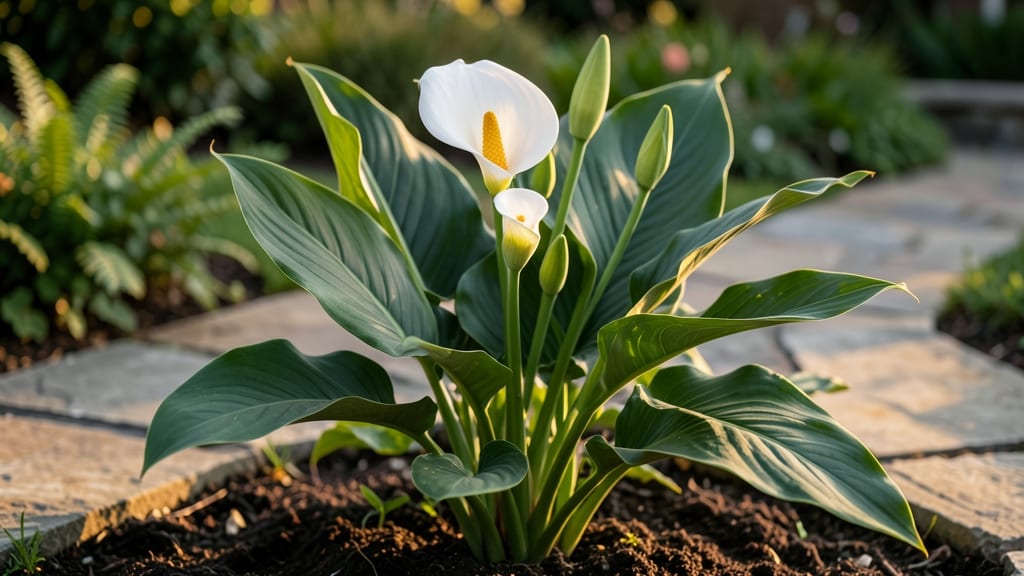
Calla lilies do not bloom continuously all summer—most varieties flower for just 4-8 weeks per season, with blooming controlled by light exposure, temperature shifts, and natural dormancy periods. Tropical types might rebloom with proper care, while hardy varieties need seasonal rest.
Calla lilies follow strict seasonal rhythms tied to their natural environment. 🌿 For example, the classic white calla (Zantedeschia aethiopica) typically blooms in late spring to early summer, then rests until the following year.
Meanwhile, tropical varieties like the pink calla (Zantedeschia rehmannii) may produce sporadic blooms if given consistent warmth and humidity. The key is understanding your specific variety's needs—some thrive with cooler winter dormancy, while others need year-round warmth to encourage reblooming.
Light plays a surprisingly big role too. Most calla lilies need 6+ hours of bright, indirect light daily to trigger flowering, but too much direct sun can stress the plant. I've found that placing them near east-facing windows often gives the best results—enough light without scorching.
Temperature also matters: tropical types prefer 60-80°F, while hardy varieties can handle cooler nights.
💡 In This Article
- Calla Lily Blooming Cycles: Light and Temperature Triggers
- Extending Calla Lily Blooms: Pruning, Fertilizing, and Aftercare Tips
Calla lily blooming cycles: light and temperature triggers
Calla lilies follow precise biological rhythms where blooming is triggered by a combination of light duration and temperature shifts. The most critical factor is daylight exposure: most varieties require 6-8 hours of bright, indirect light daily to initiate flowering.
This light exposure stimulates the plant's internal clock, signaling it's time to produce flowers.
For example, the white calla lily (Zantedeschia aethiopica) typically blooms in late spring when daylight extends to 14-16 hours, while tropical varieties like the pink calla (Zantedeschia rehmannii) may bloom year-round in consistent 12+ hour light conditions.
The temperature threshold for blooming varies dramatically between types. Tropical calla lilies thrive in 60-80°F environments year-round, and their blooming cycles can be extended with consistent warmth.
Meanwhile, hardy varieties like the orange calla (Zantedeschia elliottiana) need cooler temperatures (50-65°F) during their dormant winter months to reset their blooming cycle.
I've observed that sudden temperature drops below 50°F can shock tropical varieties, causing them to drop buds prematurely—this is why indoor growers need to maintain stable conditions.
Dormancy periods play a crucial role in blooming frequency. Most temperate calla lilies enter a natural rest phase after blooming, where they focus energy on root development rather than flowers. This dormancy typically lasts 2-3 months during cooler seasons.
Tropical varieties, however, can be coaxed into reblooming by maintaining consistent moisture and humidity levels (around 60-70%) throughout the year. The key insight is that blooming isn't continuous—it's a carefully timed biological response to environmental cues.
Here's what happens under the surface: When calla lilies receive adequate light and warmth, their leaves produce chlorophyll through photosynthesis, which fuels flower bud formation. The plant's meristem (growth points) then differentiates into floral structures rather than vegetative growth.
This process is controlled by plant hormones like gibberellins and auxins, which respond to light duration and temperature changes. For instance, short-day plants (like some calla varieties) need specific light periods to trigger blooming, while long-day plants respond to extended daylight.
Consider this practical example: If you grow a white calla lily outdoors in Zone 7, it will likely bloom from May through July when temperatures average 70-75°F and daylight exceeds 14 hours.
After this peak, the plant will naturally decline as temperatures drop and daylight shortens, entering its dormancy phase. Even with perfect care, you won't see continuous blooms—this is hardwired into the plant's genetics for survival in seasonal climates.
The exception lies with tropical calla lilies grown indoors. With artificial grow lights providing 12-14 hours of light daily and consistent 70-75°F temperatures, some varieties may produce sporadic blooms throughout the year. However, even these plants typically have 2-3 week intervals between blooms rather than continuous flowering.
The plant's energy must cycle between vegetative growth and reproduction, which is why true all-summer blooming isn't biologically possible for calla lilies.