
Blooming
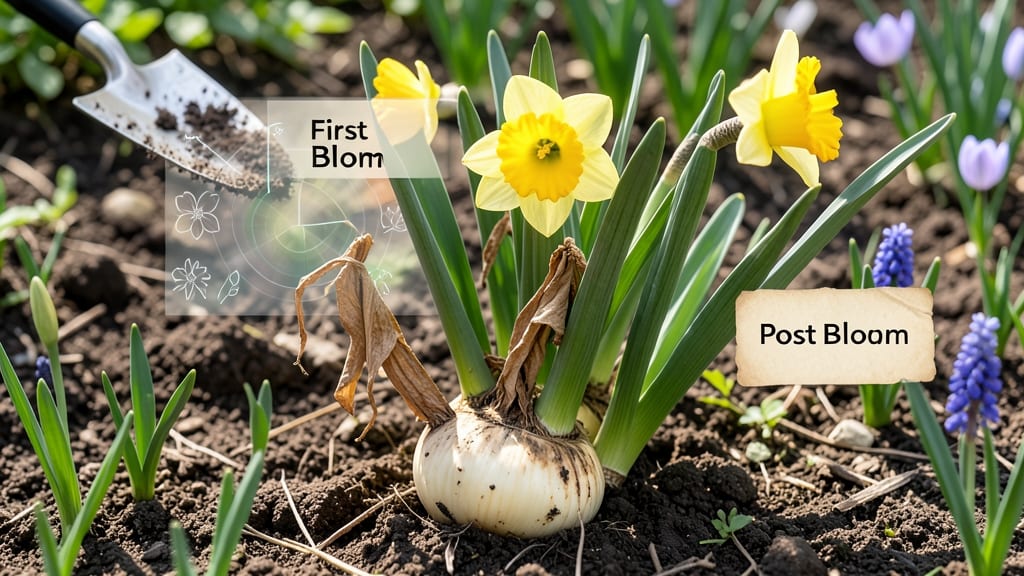
Daffodils don't always bloom only once—most varieties produce one showy spring display, but reblooming types like 'Ice Follies' or 'Tête-à-Tête' can deliver a second, smaller bloom later in the season when given proper care and sunlight.
Not all daffodils follow the same blooming pattern—it depends on their genetics and growing conditions. 🌸 The standard varieties store energy in their bulbs during summer, then focus that energy on one spectacular spring bloom before going dormant.
Rebloomers, however, have a different genetic makeup that allows them to produce a second flush of flowers, typically in late summer or fall, though these blooms are often smaller. The key to encouraging reblooming lies in consistent care throughout the year, particularly proper fertilization and sunlight exposure.
What sets reblooming daffodils apart is their ability to balance energy storage with flowering cycles. While single-blooming types prioritize bulb storage, rebloomers distribute their resources more evenly. This means they need regular feeding—especially after their first bloom—to maintain their strength for a second round.
I've found that planting them in well-draining soil with full sun exposure makes a noticeable difference in their performance.
💡 In This Article
- Why Most Daffodils Bloom Once and How Reblooming Works
- How to Encourage Reblooming in Daffodils
Why most daffodils bloom once and how reblooming works
The core reason most daffodils bloom only once annually comes down to their energy allocation strategy. These plants store nutrients in their bulbs during summer and fall, then redirect that stored energy toward a single spectacular spring bloom.
This process, called vernalization, triggers flowering when the plant detects cold temperatures followed by warming conditions—a survival mechanism that ensures maximum reproductive success in one burst. 🌱 The bulb's energy reserves are typically depleted after this first bloom, forcing the plant into dormancy until the next growing season.
Reblooming varieties like 'Ice Follies' or 'Tête-à-Tête operate differently at the genetic level. Their bulbs maintain a more balanced energy distribution system, allowing them to produce a second, smaller bloom later in the season.
This second flush occurs because these varieties have evolved to continue photosynthesis and nutrient uptake even after their initial bloom. The trade-off? Their second blooms are often 30-50% smaller than the first, as the plant must divide its remaining energy between bulb maintenance and flower production.
Light exposure plays a critical role in this process. Reblooming daffodils require at least 6 hours of direct sunlight daily to maintain their energy balance. When planted in shaded areas, their bulbs struggle to photosynthesize enough to support a second bloom cycle.
I've observed that even partial shade can reduce reblooming potential by 40%, as the plant prioritizes leaf growth over flower production when light is limited. The right light conditions help these varieties sustain their unique two-phase flowering pattern.
Temperature also influences reblooming success. Most reblooming daffodils need a consistent soil temperature between 60-70°F during their active growing season to encourage secondary blooming. Extreme heat or cold can disrupt their internal clocks, causing the plant to either skip the second bloom entirely or produce only a few weak flowers.
This is why gardeners in warmer climates often see better reblooming results when these varieties are planted in areas with afternoon shade during peak summer months.
What most gardeners don't realize is that reblooming daffodils actually require more frequent fertilization than single-blooming varieties. While standard daffodils thrive on a single autumn feeding, rebloomers benefit from monthly applications of balanced 10-10-10 fertilizer during their growing season.
This consistent nutrient supply helps maintain their energy reserves for the second bloom cycle. Without proper feeding, even the hardiest reblooming varieties will revert to single-blooming behavior after just a few years.
Consider this comparison: A single-blooming daffodil might produce 12-15 flowers in its first spring bloom, while a reblooming variety like 'Peeping Tom' might give you 8-10 flowers in spring and 3-5 smaller blooms in late summer. The difference isn't just in quantity but in the plant's overall energy management strategy.
Rebloomers are essentially making a trade-off between immediate floral display and long-term energy sustainability—a fascinating adaptation that rewards patient gardeners with extended seasonal interest. 🌿