
Blooming
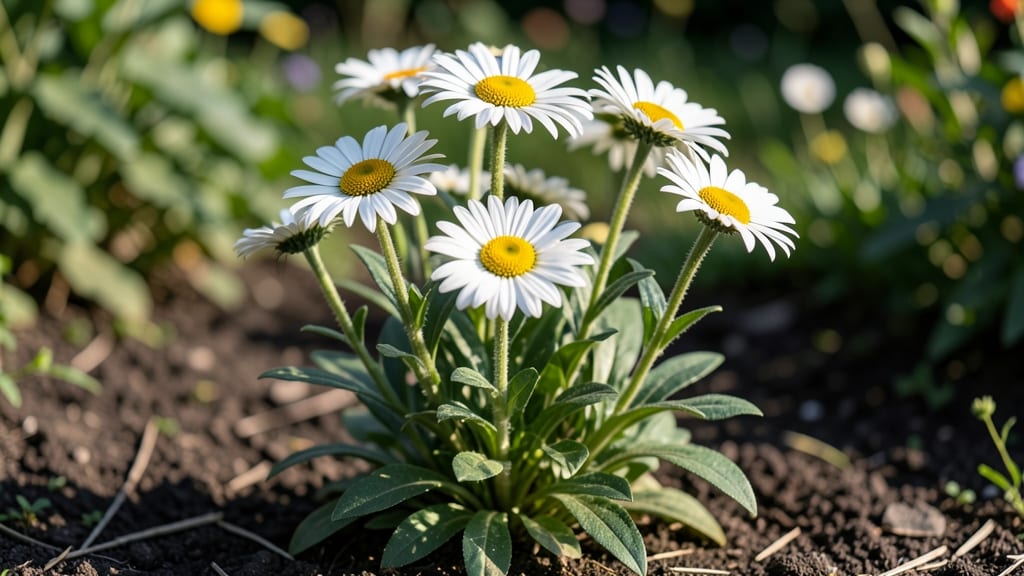
Daisies don't bloom all summer continuously—whether they're annuals or perennials, their flowering patterns depend entirely on the variety and growing conditions. While some perennials like Shasta daisies produce multiple bloom cycles, others like African daisies may only flower once before fading.
Daisy blooming seasons are actually quite strategic in nature. Perennial varieties often respond to seasonal changes, with many producing fresh flowers in spring and again in fall when temperatures moderate.
Annual daisies, on the other hand, typically follow a one-and-done pattern unless you're in a particularly warm climate where they might stretch their blooming season. 🌼 The key difference lies in their biological programming—perennials store energy between seasons to regrow, while annuals focus all their energy on that single flowering burst.
What's fascinating is how light exposure plays a role. Most daisies are day-length sensitive, meaning they'll start producing buds when daylight hours reach a certain threshold. This is why you'll often see a surge in blooms during late spring and early summer.
The good news? With proper care—especially deadheading—you can encourage many varieties to produce secondary blooms later in the season.
💡 In This Article
- Understanding Daisy Flowering Cycles by Type
- Deadheading Daisies: How to Prolong Summer Blooms
Understanding daisy flowering cycles by type
Daisy flowering patterns are primarily dictated by their biological classification—whether they're annuals or perennials—and their native growing conditions. Annual daisies like African daisies (Osteospermum) complete their entire life cycle in one season, typically producing a single burst of blooms that lasts 6-8 weeks before fading.
This is because their energy is focused entirely on seed production rather than prolonged flowering. Perennials, however, store energy in their roots during off-seasons, allowing them to regenerate and produce multiple bloom cycles throughout the growing season.
The science behind these cycles involves photoperiodism—how plants respond to daylight length. Most daisies are short-day or long-day plants, meaning they'll begin budding when daylight hours reach a specific threshold.
For example, Shasta daisies (Leucanthemum) often bloom in late spring when days are lengthening, then again in early fall when daylight starts shortening. In warmer climates, this can create a near-continuous bloom cycle, while cooler regions may see more distinct seasonal waves.
Temperature also plays a role: consistent 60-75°F days encourage steady blooming, while extreme heat or cold can trigger dormancy.
What most gardeners don't realize is how climate zones affect these patterns. In USDA Zone 5 or colder, many perennials like Gerbera daisies may only bloom for 4-6 weeks before needing a rest period.
But in Zone 8+, those same plants might produce flowers for 8-10 months with minimal dormancy. This is why your neighbor's daisy garden might look completely different from yours—even the same variety can behave differently based on local microclimates and seasonal variations.
There's also the fascinating case of biennial daisies like the English daisy (Bellis perennis), which follow a two-year cycle. They'll produce basal rosettes in their first year, then flower prolifically in their second year before dying.
This two-year strategy allows them to maximize their reproductive success in optimal conditions. The key takeaway? Understanding your specific daisy variety's life cycle is crucial for managing expectations and care routines.
For gardeners in transitional climates, this means paying close attention to seasonal cues. When night temperatures drop below 50°F for several weeks, many perennials will pause blooming to conserve energy. Conversely, when daytime temperatures rise above 85°F, some varieties may even stop producing buds entirely.
This is why deadheading becomes such a critical practice—it helps redirect the plant's energy from seed production back to flower development during these sensitive periods.
Consider the Gerbera daisy as a prime example. In ideal conditions (full sun, well-draining soil, consistent moisture), a single plant can produce 50-100 flowers over a 3-month period. But without proper care, that same plant might only yield 10-20 flowers before fading.
The difference comes down to understanding and working with the plant's natural biological rhythms rather than forcing continuous blooming.