
Blooming
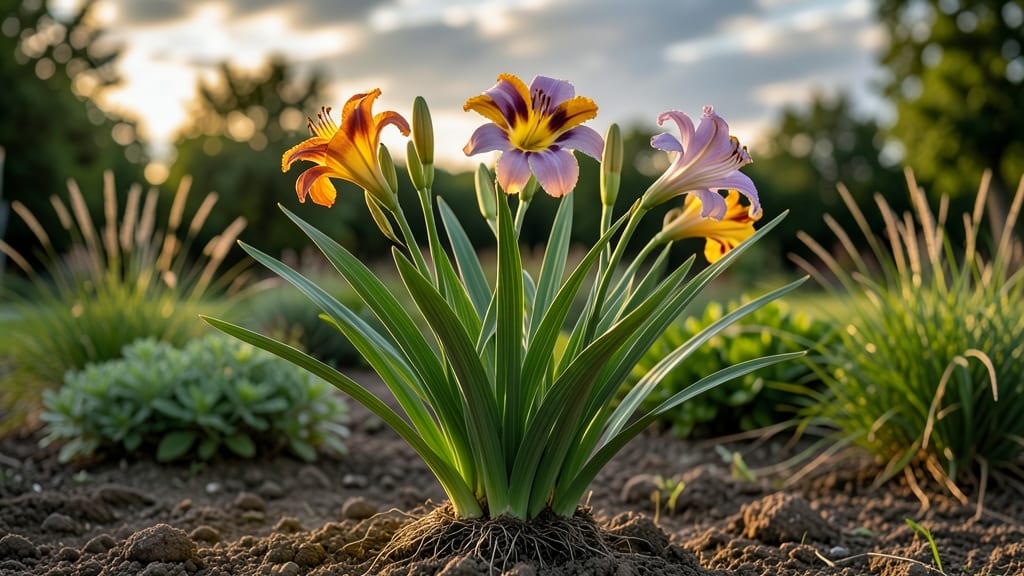
Yes, daylilies do bloom more than once, with reblooming varieties producing multiple flushes of flowers throughout the growing season, especially with proper care and pruning. Early-season bloomers may fade after the first flush, while late-season types often extend flowering into fall.
Daylilies aren't just one-and-done flowers—they can put on multiple shows if you give them the right conditions. 🌸 The key lies in their genetics: reblooming varieties like 'Happy Returns' are bred to push out new buds after their initial spring display, while single-bloom types focus their energy on one spectacular show.
What's fascinating is how sunlight triggers this behavior—longer daylight hours in summer can prompt a second or even third round of blooms, especially in well-maintained plants.
For gardeners eager to extend the blooming window, the secret is simple: deadhead spent flowers promptly and feed them with a balanced fertilizer every 4-6 weeks.
I've found that consistent moisture (about 1-2 inches per week) and light pruning of overgrown foliage in early spring keeps plants vigorous enough to produce those repeat performances. The payoff? A garden that stays colorful from late spring through early fall with minimal extra work.
💡 In This Article
- Reblooming Daylily Varieties Explained
- Tips to Encourage Repeat Blooming in Daylilies
Reblooming daylily varieties explained
The ability of daylilies to rebloom depends entirely on their genetic makeup. Reblooming varieties like 'Happy Returns' or 'Stella de Oro' are specifically bred to produce multiple flower flushes throughout the growing season, while single-bloom types like 'Pardon Me' focus their energy on one spectacular spring display.
The difference lies in how these plants allocate their energy—rebloomers have a more balanced growth habit that allows them to produce both foliage and flowers in successive waves.
Sunlight exposure plays a crucial role in triggering reblooming behavior. Daylilies are photoperiod-sensitive, meaning they respond to changes in daylight length. When exposed to 12-14 hours of sunlight daily, reblooming varieties often produce a second flush in late summer, while those getting 6-8 hours may only bloom once.
The variety 'Happy Returns' typically produces its first flush in early summer and a second one in late summer to early fall, while 'Stella de Oro' can produce up to three flushes under ideal conditions.
What most gardeners don't realize is that reblooming varieties often require more consistent care than single-bloomers. The plant's energy reserves must be carefully managed through proper fertilization and watering to support multiple flowering cycles.
For example, 'Happy Returns' needs balanced 10-10-10 fertilizer every 4-6 weeks during the growing season to maintain its vigor, while single-bloomers might thrive with less frequent feeding. The trade-off is worth it for the extended display of vibrant blooms.
There are three main categories of daylily blooming patterns: early-season, mid-season, and late-season. Early bloomers like 'Pardon Me' typically flower in spring and fade by early summer, while late-season varieties such as 'George Lindeman' can continue producing flowers into October.
Mid-season rebloomers like 'Happy Returns' bridge the gap, offering flowers from June through September. The key is selecting varieties that match your climate zone and sunlight conditions for optimal performance.
Color also plays a subtle role in reblooming patterns. Lighter-colored blooms like yellow or pale pink tend to have slightly shorter bloom cycles than deeper hues like burgundy or orange. This is because darker pigments contain more anthocyanins, which may help protect the flower from UV damage during extended exposure.
For example, 'Evening Star' with its deep burgundy blooms often produces a longer second flush compared to its yellow counterpart 'Happy Returns'.
One fascinating mechanism is how daylilies store energy. Unlike annuals that bloom once and die, daylilies are perennials that store carbohydrates in their rhizomes (underground stems) during the growing season. These reserves fuel their reblooming ability.
When you see a well-established daylily producing multiple flushes, it's because its rhizomes have built up sufficient energy reserves through proper care and sunlight exposure.