
Blooming
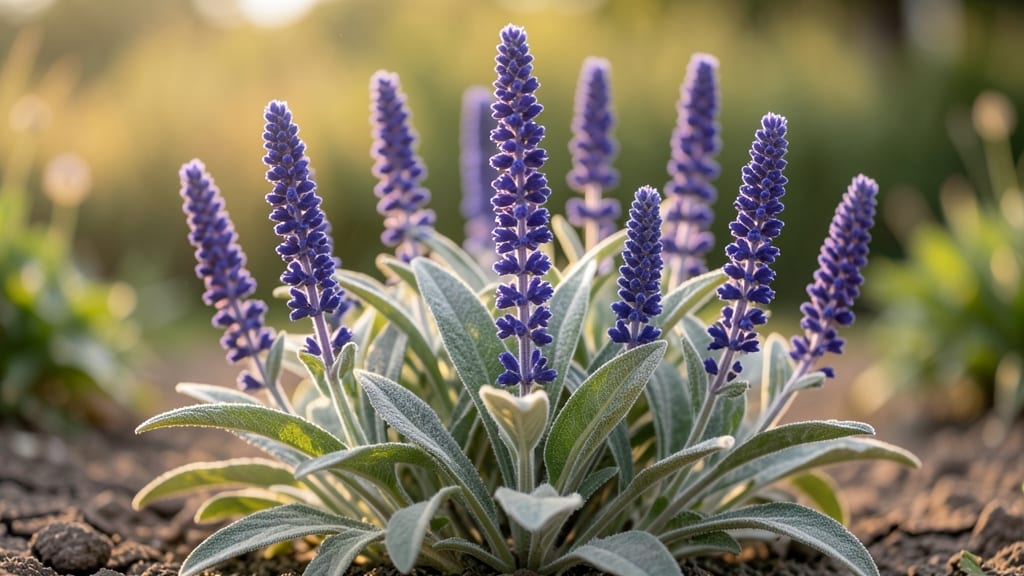
Extend your garden’s color show with these 10 drought-tolerant perennials that thrive in late summer heat. Perfect for low-maintenance landscapes, they offer vibrant blooms when many plants fade—adding seasonal interest without extra watering.
Purple Coneflower Thrives in Dry Conditions
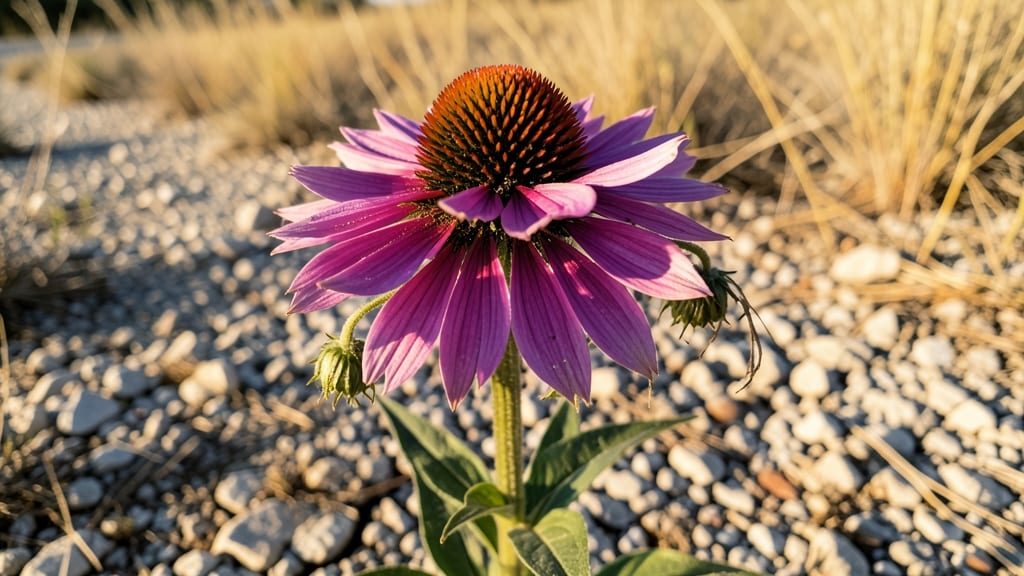
When your garden needs a splash of color but your water bill is already high, purple coneflower (Echinacea purpurea) is your secret weapon. This native North American beauty thrives in dry conditions, making it perfect for xeric landscapes where other plants struggle.
With its deep roots, purple coneflower stores moisture efficiently, requiring only occasional watering once established. Plant it in full sun for the most vibrant blooms, and watch as it attracts butterflies, bees, and hummingbirds all season long. Deadhead spent blooms to encourage more flowers and extend the late-summer bloom period.
Ideal for beginners or busy gardeners, this hardy perennial also supports pollinators when many other flowers have faded. 🌱
Black-Eyed Susan Adds Cheerful Yellow Blooms
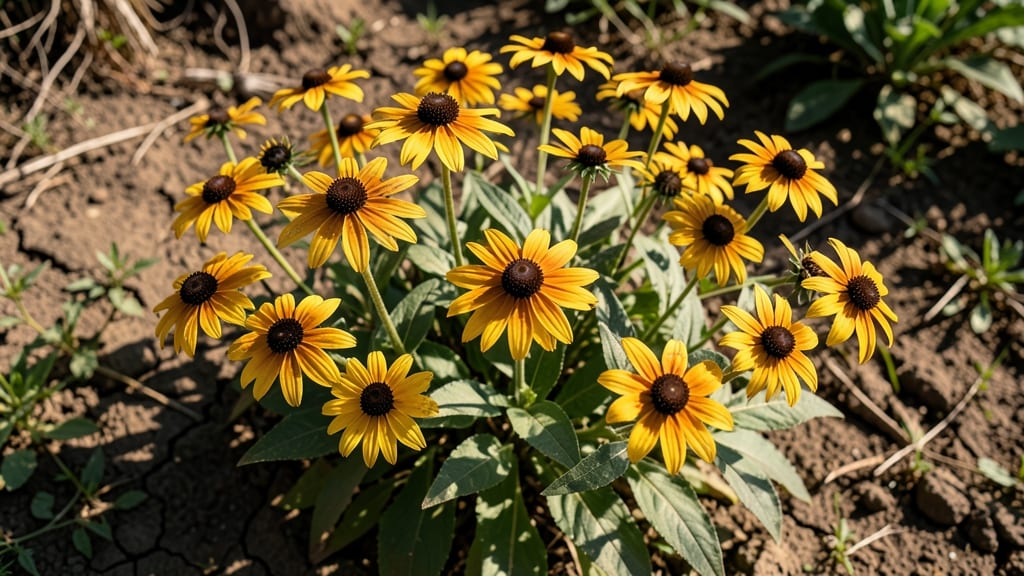
When your garden starts to fade in late summer, black-eyed Susan (Rudbeckia hirta) steps in as the unsung hero with its cheerful, golden-yellow blooms. Unlike many perennials that struggle in heat, this hardy plant thrives in poor soil and full sun, making it perfect for neglected corners or drought-prone areas.
Its heat tolerance and ability to self-seed ensure your garden stays vibrant even when temperatures rise. Simply deadhead spent blooms to encourage more flowers, and watch as these daisy-like blossoms create a striking contrast against wilted summer perennials. This low-maintenance beauty is ideal for beginners or busy gardeners.
Black-eyed Susan’s resilience and bright color make it a must-have for late-summer gardens that need a pop of cheer without extra effort. 🌻
Russian Sage Creates Fragrant Purple Spikes
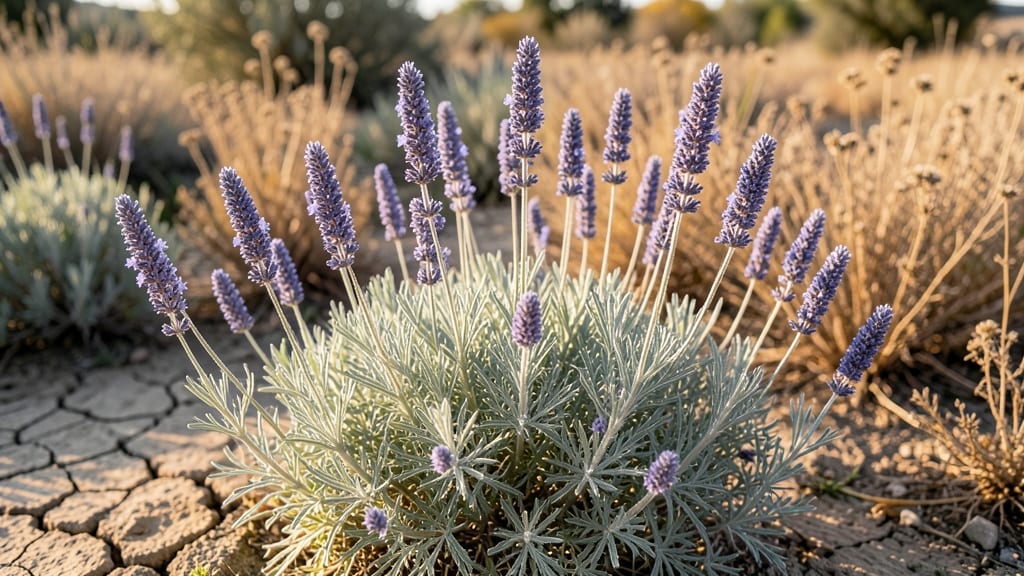
When your garden needs a fragrant, low-maintenance star for late summer, Russian sage delivers with its lavender-blue flower spikes and silvery foliage. This drought-resistant perennial thrives in hot, dry climates where other plants wilt, making it a lifesaver for water-conscious gardeners.
Its aromatic leaves release a subtle, woodsy scent when brushed, while the tall, airy flower spikes (up to 4 feet) add vertical drama to borders or cutting gardens. Plant it in full sun with well-drained soil, and it will reward you with year-round interest—even the dried stems hold beauty in winter. Deer and rabbits avoid it, too!
Ideal for urban gardens or rural landscapes, Russian sage pairs beautifully with coneflowers and black-eyed Susans for a pollinator-friendly late-summer show. 💚
Blanket Flower Offers Heat-Resistant Color
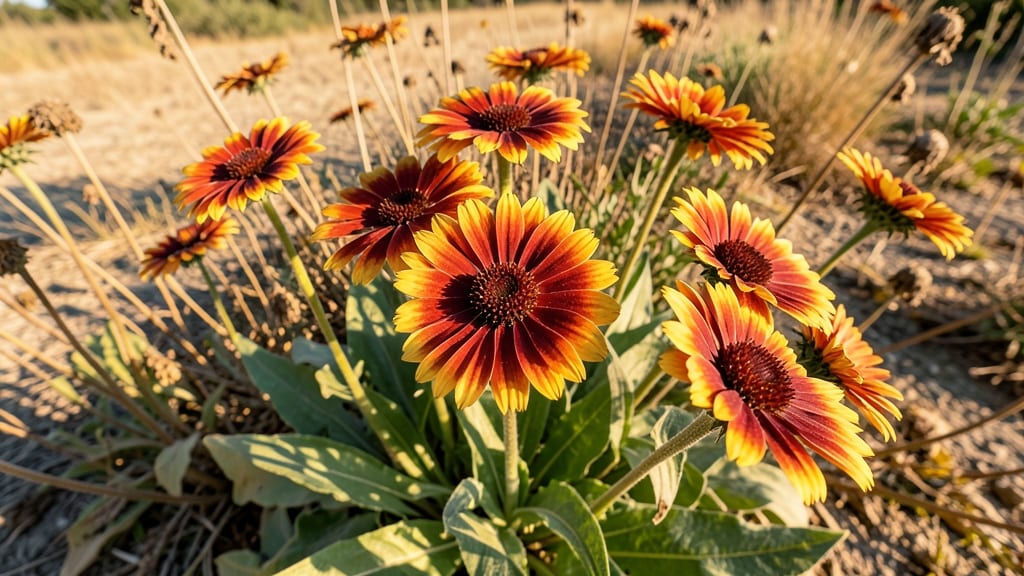
When your garden starts wilting under late-summer heat, blanket flower (Gaillardia pulchella) steps up with its bold, fiery blooms. This sun-loving perennial thrives where others fade, producing daisy-like flowers in vibrant reds, oranges, and yellows that last from mid-summer through fall.
Unlike finicky perennials, blanket flower tolerates full sun and even poor, rocky soil, making it ideal for neglected corners or drought-prone areas. Deadhead spent blooms to encourage continuous flowering, and watch it self-seed for years of effortless color. Its compact size (1-2 feet tall) fits perfectly in borders, containers, or wildflower meadows.
Perfect for beginner gardeners and pollinator lovers alike, this plant adds warmth to fading landscapes while requiring almost no care. 🌻
Butterfly Weed Attracts Pollinators Relentlessly
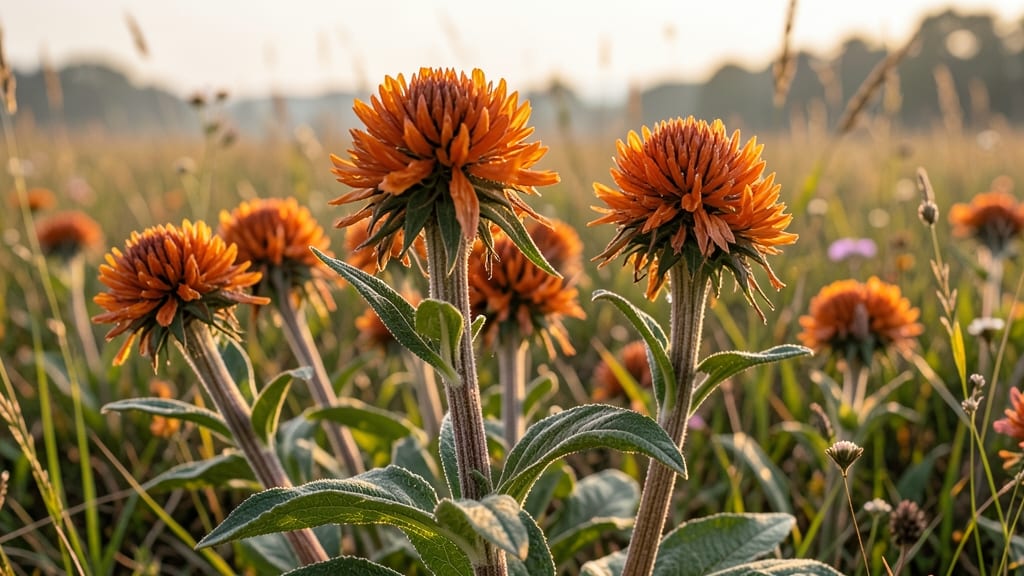
Watch your garden transform into a monarch butterfly magnet with butterfly weed (Asclepias tuberosa), a native milkweed that blooms in fiery orange clusters from midsummer through fall. This isn’t just another pretty face—it’s the lifeline for declining monarch populations, offering both nectar and host plants for their caterpillars.
Plant it in full sun with well-drained soil, and its deep taproot will reward you with years of drought resistance. Deadhead spent blooms to encourage more flowers, and avoid over-fertilizing—this plant thrives in lean, native soil. The more you plant, the more butterflies will visit, creating a dynamic late-summer spectacle. 🌻
Sedum Autumn Joy Glows in Late Season
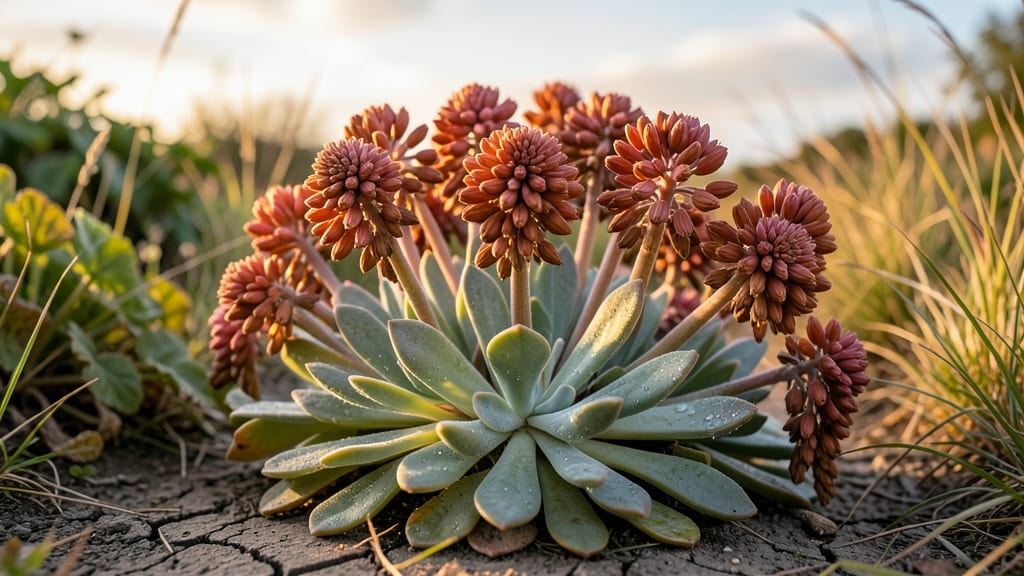
When your garden starts to fade in late summer, Sedum 'Autumn Joy' steps in with a fiery finale. This drought-resistant succulent transforms from soft pink buds into deep copper blooms, creating a dramatic color shift that keeps your landscape vibrant through September and October.
Unlike many perennials, Sedum 'Autumn Joy' thrives in rocky, well-drained soil and requires almost no water once established—ideal for busy gardeners or drought-prone areas. Its thick, fleshy leaves store moisture, making it perfect for full sun to partial shade conditions. Simply deadhead spent blooms to encourage more flowers and watch it spread effortlessly over time.
This low-maintenance stunner is perfect for rock gardens, borders, or even containers. Its late-season blooms provide essential nectar for pollinators when other flowers have faded, making it a must-have for sustainable gardens. 🌻
Bee Balm Thrives in Partial Shade
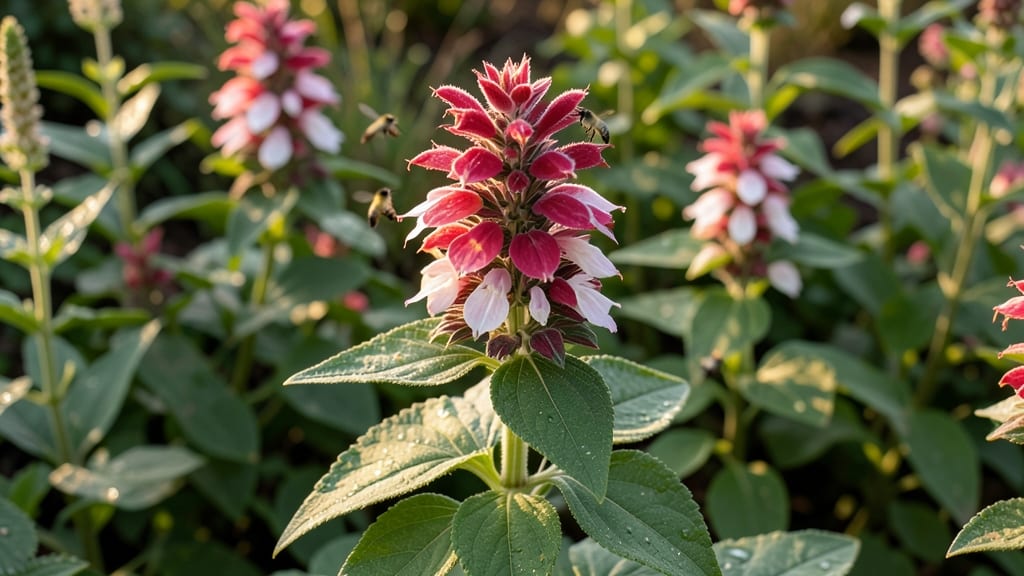
If you’ve been struggling to find a late-summer bloomer that thrives in partial shade, bee balm (Monarda didyma) is your answer. This hardy perennial delivers vibrant red, pink, or white flowers that hummingbirds and bees can’t resist, while also tolerating cooler, shadier spots where other plants struggle.
Unlike sun-loving perennials, bee balm prefers moist but well-drained soil and can even handle occasional wet conditions—making it ideal for woodland gardens, near ponds, or under deciduous trees. For best results, plant in USDA zones 4-9 and deadhead spent blooms to encourage a second flush of flowers. Its fragrant foliage also deters deer, giving you double protection.
Perfect for gardeners in cooler climates or shaded areas, bee balm ensures your garden stays lively well into fall. 🌿
Lavender Provides Fragrant Drought Resistance
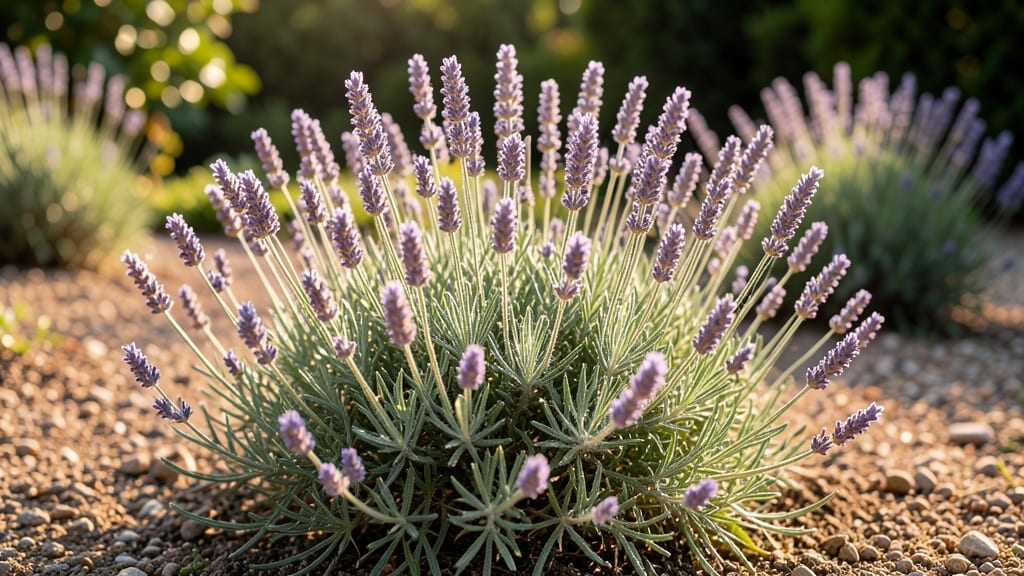
If you're craving a fragrant late-summer addition that needs almost no watering, lavender is your secret weapon. This versatile perennial not only thrives in dry, sunny conditions but also doubles as a culinary herb and natural pest repellent.
Plant English lavender (Lavandula angustifolia) in well-drained soil with full sun exposure for the best results. Its silvery foliage and purple flower spikes create stunning contrast in borders or containers, while its scent deters mosquitoes and attracts pollinators. Prune lightly after blooming to encourage bushier growth.
Perfect for urban gardeners, cottage-style beds, or even pot culture on patios, lavender’s drought tolerance makes it ideal for water-wise landscapes. Just avoid overwatering—this Mediterranean native prefers dryness once established. 🌿
Goldenrod Brightens Late-Summer Gardens
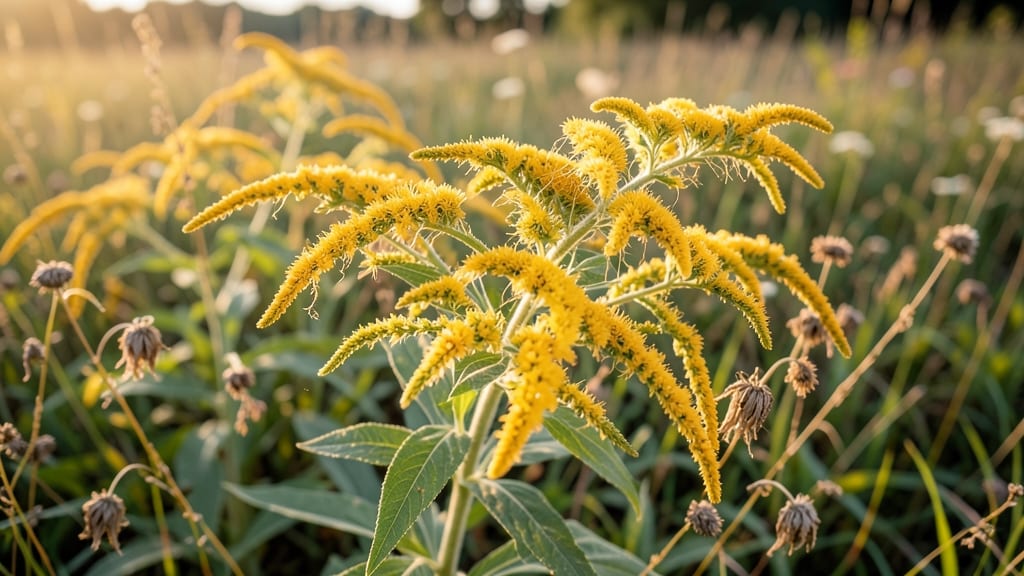
Skip the guilt—goldenrod isn’t the allergen you think it is! This native perennial bursts into cheerful yellow plumes from August through October, offering a late-season lifeline for pollinators when many gardens fade. Its feathery blooms sway in the breeze, creating a soft, golden haze that brightens borders and meadows alike.
What makes goldenrod a true workhorse? It thrives in full sun and poor soil, tolerates drought once established, and spreads easily to fill gaps. Plant it in USDA zones 3-9 for year-round resilience, and watch bees, butterflies, and birds flock to its nectar-rich flowers. Deadhead spent blooms to encourage more flowers and prevent self-seeding where you don’t want it.
Perfect for native plant gardens or wildflower meadows, goldenrod adds height and texture without demanding attention. Let it stand tall—it’s a pollinator’s paradise and a gardener’s dream. 🌻
Salvia Nemorosa Creates Textured Purple Spikes

If you crave textured drama in your late-summer garden without the fuss, salvia nemorosa delivers velvety purple-blue flower spikes that stand out like a statement piece. Unlike its thirsty cousins, this European beauty thrives in dry, well-drained soil, making it a top pick for water-conscious gardeners.
Plant it in full sun for the most vibrant blooms, and you’ll reward yourself with 6-8 weeks of striking color from July through September. The narrow, gray-green leaves add contrast, while its deer-resistant nature means fewer battles with wildlife. Deadhead spent blooms to encourage more flowers, but otherwise, this plant asks for little beyond occasional pruning.
Perfect for cottage gardens or modern landscapes, salvia nemorosa pairs beautifully with grasses or other drought-tolerant perennials. It’s the ideal choice for gardeners who want low-maintenance elegance with high impact. 💚