
Blooming
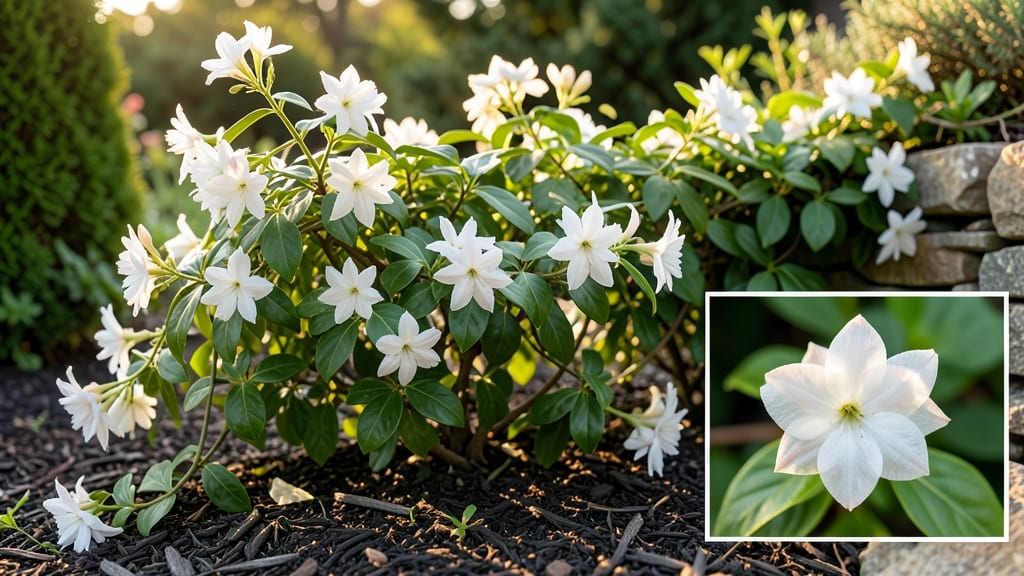
Star jasmine does bloom all summer, often continuing into fall, with its signature fragrant white flowers appearing continuously when given proper care. Blooming intensity depends on your climate and how you prune the vine, as it thrives best in warm regions.
This evergreen vine earns its reputation for summer-long beauty because it's not bound by strict seasonal cycles like many flowering plants. 🌸 The secret lies in its tropical origins—star jasmine (Trachelospermum jasminoides) evolved to take advantage of warm weather, producing flowers whenever conditions are favorable.
In my experience, plants in USDA zones 8-11 show the most consistent blooming, while those in cooler regions may need winter protection to rebloom the following season. The key factors are consistent warmth above 60°F and regular deadheading of spent blooms, which encourages new growth.
What makes star jasmine unique is its ability to produce flowers on both old and new wood, meaning you can get blooms even from last year's growth. This adaptability is why gardeners in Florida and California often see their vines covered in blossoms from June through October.
However, heavy pruning in late winter can reset the plant's energy, sometimes resulting in a more dramatic spring flush before the summer-long display begins.
💡 In This Article
- Star Jasmine Blooming Cycle: Seasonal Patterns and Climate Influence
- Tips to Maximize Star Jasmine’s Summer Blooms
Star jasmine blooming cycle: seasonal patterns and climate influence
Star jasmine's continuous blooming stems from its botanical adaptation to tropical climates. This evergreen vine produces flowers in response to warm temperatures and long daylight hours, rather than following strict seasonal cues like deciduous plants.
The flowers form on terminal buds along the current season's growth, meaning new blooms appear as long as the plant receives consistent warmth above 65°F and adequate sunlight. This process is called "indeterminate flowering," where the plant doesn't have a set blooming window but produces flowers whenever conditions are optimal.
The intensity of blooming varies dramatically by climate zone. In tropical regions (USDA zones 10-11), star jasmine often flowers year-round, with peak displays during the warmest months. In temperate zones (7-9), you'll typically see heavy blooming from late spring through fall, with a noticeable slowdown in winter.
The plant's native habitat in East Asia and Southeast Asia explains why it thrives in heat—its flowers evolved to take advantage of warm, humid conditions where nights rarely drop below 50°F. Even a single cold snap below 30°F can damage the vine and reduce next season's blooms.
Humidity plays a crucial role too. Star jasmine flowers best when atmospheric moisture hovers between 50-70%, which is why coastal gardens often see more abundant blooming.
The plant's delicate white flowers contain volatile organic compounds that create their signature fragrance, and these compounds evaporate more slowly in humid air, extending the scent's longevity. In dry climates, you might need to supplement with regular misting or mulching to maintain that tropical feel the vine craves.
Light exposure directly affects blooming patterns. While star jasmine tolerates partial shade, it produces its most abundant flowers when receiving 6-8 hours of direct sunlight daily.
The plant's leaves contain chlorophyll that converts sunlight into energy for flower production, but too much intense afternoon sun (especially in hot climates) can cause leaf scorch.
This is why many gardeners plant star jasmine near patios or pergolas—it gets morning sun and afternoon shade, striking the perfect balance for continuous blooming.
Another fascinating aspect is how star jasmine responds to seasonal changes. In spring, the vine focuses energy on new growth, often producing fewer flowers initially. As summer progresses and the plant establishes more foliage, flower production ramps up dramatically.
This is why many gardeners notice their star jasmine looking "lazy" in early spring before bursting into bloom by June. The plant's ability to flower on both old and new wood means you can get blooms from last year's growth while new stems are still developing.
Consider this comparison: A star jasmine in Miami might bloom continuously from March through November, while one in Los Angeles could see peak blooming from May to September with occasional winter flowers if protected.
The key difference is temperature consistency—Miami's stable warmth allows uninterrupted growth, while LA's cooler winters trigger dormancy periods. This climate sensitivity is why gardeners in cooler regions often prune more aggressively in late winter to encourage vigorous new growth that will support summer blooming.