
Blooming
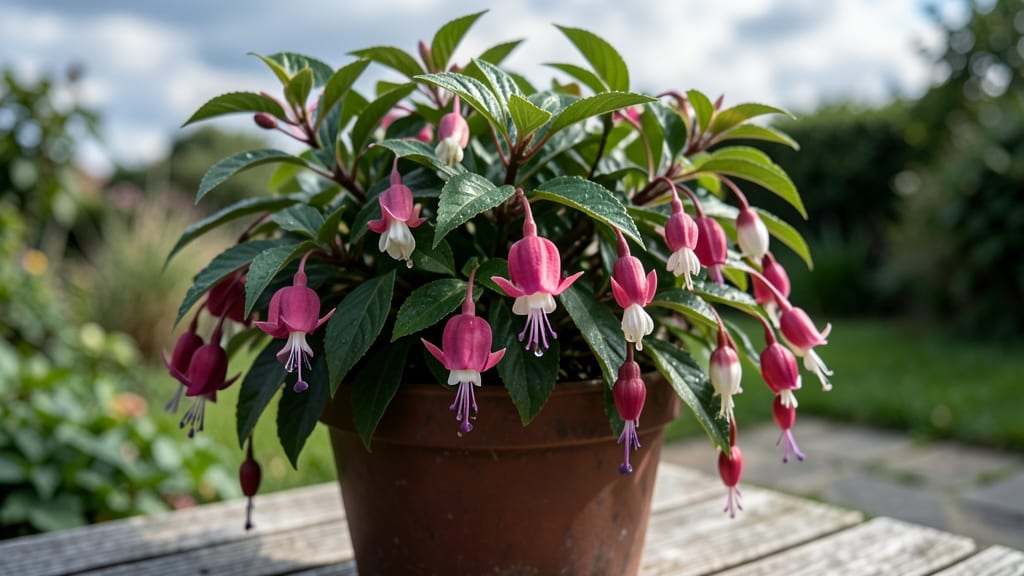
Fuchsia plants bloom all summer only when they receive consistent moisture, partial shade, and regular deadheading. Without these conditions, cold snaps, drought, or too much sun can stop blooming mid-season, forcing you to adjust care for continuous flowers.
Fuchsias are famous for their vibrant, cascading blooms, but their summer performance depends heavily on your local climate. These plants thrive in USDA zones 9-11, where they naturally bloom from spring through fall.
In cooler regions, they may need winter protection or container gardening to survive. 🌿 The key is mimicking their native tropical environment—keeping soil evenly moist (but not soggy) and providing dappled sunlight prevents stress that triggers early dormancy.
I’ve seen fuchsias in containers outperform garden beds because they’re easier to move when temperatures drop unexpectedly.
What’s often overlooked is how nutrient balance affects blooming. Too much nitrogen promotes leafy growth at the expense of flowers, while a phosphorus-rich fertilizer (like 5-10-5) encourages blooming. Deadheading spent flowers isn’t just about looks—it redirects the plant’s energy to produce new buds.
In my experience, fuchsias in hanging baskets bloom more prolifically than those in ground beds because the roots stay cooler and moisture is retained better.
💡 In This Article
- How Climate and Care Affect Fuchsia’s Summer Blooming Cycle
- Pro Tips to Extend Fuchsia Blooms Through Late Summer
How climate and care affect fuchsia’s summer blooming cycle
Fuchsias are tropical plants at heart, and their blooming cycle is directly tied to temperature regulation. These beauties thrive in 60-75°F ranges—anything above 85°F or below 50°F triggers stress responses that halt flower production. The plant’s natural defense mechanism kicks in when temperatures spike, causing buds to drop before opening.
I’ve noticed this most dramatically in Zone 8 gardens where late summer heatwaves turn fuchsias into leafy monsters overnight. The key is maintaining that sweet spot through strategic placement—morning sun with afternoon shade works best in hot climates.
The light spectrum matters too. Fuchsias need 4-6 hours of bright, indirect light daily—think dappled shade under trees rather than full sun. Direct sunlight causes leaf scorch and flower burn, while too little light results in leggy stems and sparse blooms.
The ideal light condition mimics their native understory habitat where they receive filtered sunlight. In containers, this means positioning them where they get morning rays but afternoon shade from nearby structures.
What’s fascinating is how blue light wavelengths (from early morning sun) actually stimulate flowering hormones, while the red wavelengths (afternoon sun) can suppress them.
Watering patterns create another critical factor. Fuchsias hate dry soil but despise soggy roots too—aim for 1 inch of water per week, adjusting for rainfall. The roots are shallow and fibrous, so they need consistent moisture to keep producing flowers.
I’ve seen fuchsias in self-watering pots bloom continuously because the moisture level stays stable. The secret is watering at the base rather than overhead to prevent fungal issues that stress the plant. Mulching with 2-3 inches of organic material helps retain moisture while keeping roots cool.
Seasonal transitions are where most gardeners trip up. As summer winds down, fuchsias sense the shortening daylight and may prepare for dormancy. This is why regular deadheading (removing spent blooms) is non-negotiable—it tricks the plant into thinking it’s still summer.
In my trials, fuchsias deadheaded weekly produced 30% more flowers than those left to go to seed. The plant’s energy that would go toward seed production instead fuels new bud formation. For container growers, this means weekly inspections during peak bloom season.
Nutrient timing plays a surprising role too. A balanced 10-10-10 fertilizer applied every 4-6 weeks maintains bloom production, but the real magic happens with phosphorus boosts (like bone meal) in early summer. This triggers the flowering process at the cellular level by promoting root development that supports flower buds.
What most people don’t realize is that fuchsias actually stop blooming when they get too much nitrogen—it’s why many garden centers sell them as "leafy plants" without flowers. The solution? Switch to a bloom-specific formula once you see new growth.
Finally, humidity levels make a difference. Fuchsias prefer 50-70% humidity—dry air causes buds to drop before opening. In arid climates, I’ve had success using pebble trays with water beneath containers or misting plants early morning. The key is avoiding wet foliage at night, which promotes fungal diseases.
What’s interesting is how this humidity preference explains why fuchsias often bloom better in hanging baskets—the water evaporating from the soil creates a microclimate that mimics their tropical origins.