
Blooming
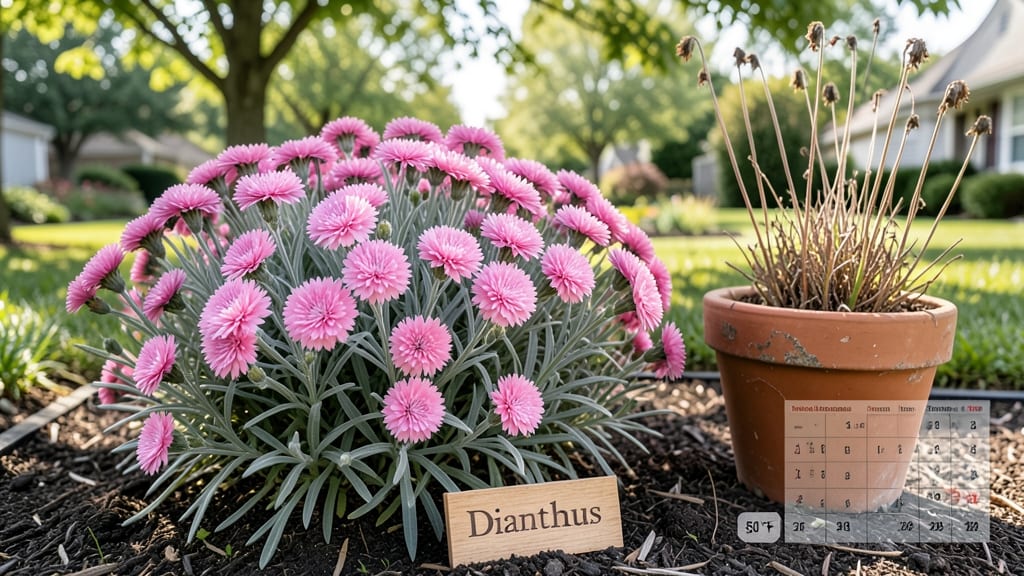
Dianthus don't bloom all year—they primarily flower in spring and summer, with occasional fall reblooms. Their blooming patterns vary by species, climate, and care practices like deadheading, while extreme temperatures often cause dormancy.
Dianthus are seasonal performers, with their blooming cycles tightly linked to temperature shifts and daylight changes. 🌸 In cooler climates, they often start flowering in late spring and peak through summer, while warmer regions may see staggered blooms throughout the year.
Some varieties, like the ever-popular Sweet William, can produce a second flush of flowers in early fall if given proper care. The key to extending their blooming window lies in consistent deadheading—removing spent flowers encourages new growth and prevents the plant from redirecting energy to seed production.
What many gardeners don't realize is how dramatically climate impacts these plants. In regions with hot summers, dianthus may enter summer dormancy to conserve moisture, while cold winters can trigger a similar rest period.
This natural cycle explains why you might see vibrant blooms one year but sparse flowering the next—it's not necessarily a sign of poor health, but rather the plant responding to environmental cues. Understanding these patterns helps you time your planting and care routines for maximum impact.
💡 In This Article
- Dianthus Blooming Seasons by Climate and Variety
- Deadheading Dianthus for Longer Blooms
Dianthus blooming seasons by climate and variety
Dianthus blooming cycles are primarily triggered by temperature shifts and daylight hours, with most varieties following a spring-to-summer pattern. The key mechanism involves vernalization—a cold period that breaks dormancy—followed by thermoperiodism, where warm days and cool nights stimulate flower buds to open.
In USDA Zone 5 (average winters below 10°F), perennial dianthus like 'Firewitch' typically bloom from May through July, while Zone 9 (mild winters) varieties may extend blooming into early autumn.
Annual dianthus, such as those in the Dianthus chinensis group, often bloom continuously from late spring to first frost, but their performance depends heavily on consistent moisture and 6-8 hours of sunlight daily.
The Sweet William variety, for example, produces its first flush of blooms in May-June and may rebloom in September if deadheaded regularly. In contrast, Garden Pinks varieties tend to bloom later, from June through August, with their fragrance peaking in early morning hours when temperatures are coolest.
The most dramatic differences appear between cool and warm climates. In Pacific Northwest regions (Zone 7-8), where summers rarely exceed 85°F, dianthus maintain vibrant blooms for 8-10 weeks without dormancy.
However, in Southern California (Zone 10), the same varieties may experience summer dormancy when temperatures surpass 90°F, conserving water until fall rains trigger regrowth. This explains why coastal dianthus gardens often appear lush year-round while inland gardens show seasonal gaps.
Daylight length plays an equally critical role. Most dianthus are long-day plants, meaning they require 14+ hours of daylight to initiate flowering—a threshold reached in late spring. This explains why greenhouse-grown dianthus often bloom earlier than outdoor plants, as supplemental lighting can extend daylight periods.
The Cheddar Pink variety, for instance, may produce 20% more blooms when grown under extended light conditions compared to natural daylight alone.
Climate also affects flower color intensity. In cooler regions, dianthus develop deeper pigmentation due to slower metabolic processes, while warm climates produce lighter, more pastel hues.
For example, the 'Firewitch' variety's magenta blooms darken noticeably in Zone 5 gardens compared to their Zone 9 counterparts, where they appear more pinkish. This color variation occurs because cooler temperatures reduce chlorophyll production in petals, allowing anthocyanins (pigment compounds) to dominate.
Understanding these patterns helps gardeners select varieties suited to their microclimate. For extended blooming, consider perennial varieties like 'Matrona', which tolerates -20°F winters and reblooms in late spring, or annual mixes for continuous summer color.
The key is matching your dianthus selection to your region's specific temperature ranges and daylight patterns for optimal performance.