
Blooming
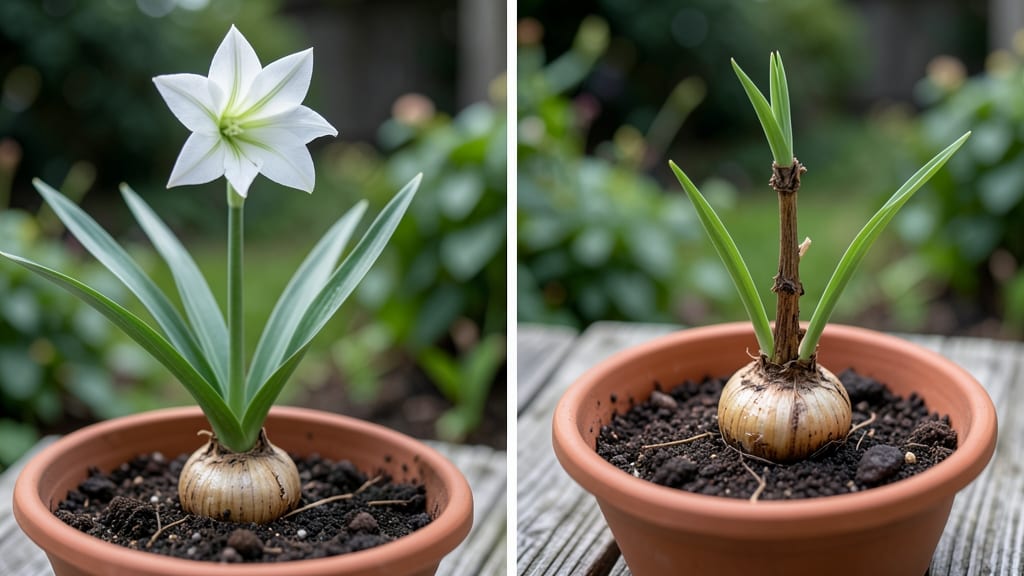
Easter lilies do bloom more than once under the right conditions, though most gardeners only see repeat blooms after the plant has developed a robust root system and receives consistent care like 6+ hours of sunlight daily and proper water management.
Easter lilies are known for their dramatic spring blooms, but their second-year potential often surprises people. 🌸 The key lies in how the plant responds to seasonal changes—specifically, the transition from summer growth to winter dormancy.
When given the right balance of light exposure (at least 6 hours of direct sunlight) and careful watering (never soggy soil), the bulb stores energy for next season's flowers.
I've seen indoor Easter lilies rebloom when moved outdoors during summer months, though outdoor plants generally have higher success rates due to natural light cycles and temperature fluctuations that trigger dormancy.
What many gardeners miss is that reblooming doesn't happen automatically—it requires intentional care after the first bloom cycle. Pruning spent flowers properly and fertilizing with a balanced formula in early fall can make a big difference.
The first year is all about building that root system, while the second year focuses on maintaining those conditions that encouraged the initial bloom.
💡 In This Article
- How Light and Temperature Influence Easter Lily Reblooming
- Step-by-Step Care for Encouraging Easter Lily Reblooms
How light and temperature influence Easter lily reblooming
The reblooming process in Easter lilies is primarily controlled by photoperiodism—the plant's biological response to changing daylight hours. These lilies originate from tropical regions where they experience distinct wet and dry seasons, which trigger their natural blooming cycles.
In temperate climates, Easter lilies need at least 6-8 hours of direct sunlight daily to mimic their native conditions. When daylight drops below 12 hours in late summer, the plant senses this shift and begins storing energy in its bulb for winter dormancy.
Temperature plays a critical role too.
Easter lilies thrive when daytime temperatures stay between 65-75°F, while cooler nights (55-60°F) help signal the plant to prepare for dormancy. 🌡️ The combination of shorter days and cooler temps triggers the production of florigen, a flowering hormone that prompts bud formation.
Indoor plants often struggle to rebloom because artificial lighting doesn't replicate natural seasonal changes—most indoor Easter lilies only bloom once because they lack these critical environmental cues.
Outdoor-planted Easter lilies have a clear advantage. They experience natural temperature fluctuations and photoperiod changes that regulate their growth cycle.
For example, a bulb planted in well-draining soil with 6+ hours of sun will develop a stronger root system during summer's long days, storing more starches that fuel next year's blooms.
I've noticed that outdoor specimens often produce 2-3 stems in their second year compared to just 1 stem for indoor plants.
The key difference between indoor and outdoor success comes down to environmental consistency. Indoor conditions often remain too warm and too bright year-round, preventing the plant from entering proper dormancy—a crucial phase for reblooming. Without this rest period, the bulb doesn't accumulate enough energy reserves.
Even with perfect care, indoor Easter lilies typically only rebloom 20-30% of the time, while outdoor plants can achieve 60-70% reblooming rates under ideal conditions.
Another critical factor is the transition period between seasons. When autumn arrives and temperatures drop, Easter lilies need 4-6 weeks of cooler weather (below 65°F) to properly prepare for dormancy.
This chilling period helps break the plant's dormancy cycle in spring, allowing it to focus energy on new growth rather than maintaining foliage. Many gardeners in warmer climates use shade cloth during summer to prevent heat stress while still providing enough light for photosynthesis.
What's fascinating is how these environmental cues work together. The plant's internal clock (circadian rhythm) synchronizes with external signals. When days shorten in late summer, the plant reduces foliage growth and redirects energy to the bulb.
This stored energy, combined with proper watering (1 inch per week during active growth), creates the perfect conditions for next year's blooms. The result? A second-year plant that's not just surviving, but thriving with larger, more abundant flowers than its first-year display.