
Blooming
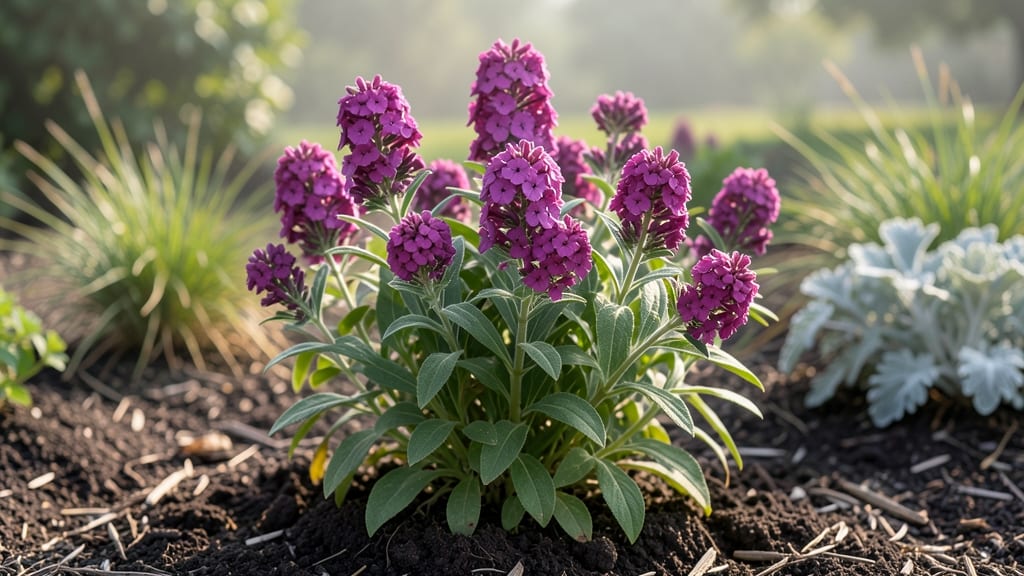
Garden phlox bloom all summer when you choose the right varieties and maintain consistent care, particularly late-season types like 'David' or 'Lipstick' that flourish from July through September with regular watering and deadheading. Early-blooming cultivars often wilt faster unless you select reblooming hybrids.
Garden phlox thrive in summer's heat when you pick the right cultivars—late-season varieties like 'David' or 'Lipstick' are bred to withstand higher temperatures and continue blooming well into September. 🌸 The key difference lies in their genetic tolerance: early bloomers typically peak in June and decline by August, while reblooming types produce new flowers throughout the season.
I've found that combining consistent moisture (about 1 inch per week) with weekly deadheading removes spent blooms and signals the plant to produce more flowers, extending the display by 4-6 weeks compared to neglected plants.
For maximum results, focus on soil health—phlox prefer slightly acidic conditions (pH 6.0-6.5) and benefit from a balanced fertilizer (like 10-10-10) applied in early spring. Pruning back leggy stems after the first flush encourages bushier growth and prevents disease.
Pro tip: mulch with 2-3 inches of organic material to retain moisture and regulate soil temperature.
💡 In This Article
- Phlox Bloom Duration: Varieties That Last All Summer
- Pro Tips for Keeping Phlox Blooming Longer
Phlox bloom duration: varieties that last all summer
Garden phlox come in three main types, each with distinct blooming patterns: tall garden phlox (like 'David'), border phlox (such as 'Lipstick'), and woodland phlox.
Tall garden phlox typically bloom from mid-June to September when given proper care, while border phlox often start later in late June or July and extend through fall frost.
The secret lies in their heat tolerance—late-season varieties have developed thicker stems and waxier leaves that resist wilting in 85-95°F temperatures, unlike early bloomers that often decline by mid-August.
Woodland phlox, native to shady forest edges, naturally bloom earlier (May-June) but fade quickly unless you choose reblooming hybrids. Their shorter stature (1-2 feet) makes them less heat-tolerant compared to border phlox (2-3 feet) that thrive in full sun.
The color spectrum also plays a role—darker blooms (purples, reds) tend to last longer than pale varieties because their pigments contain more heat-protective anthocyanins. For example, 'David''s deep pink blooms maintain vibrancy 2-3 weeks longer than white varieties in the same conditions.
What most gardeners miss is how phlox respond to daylight changes. These plants use a biological mechanism called photoperiodism—they detect increasing daylight hours in spring to trigger blooming.
Late-summer varieties have adapted to continue this process through longer daylight periods (14+ hours), while early bloomers often exhaust their energy by mid-summer when days begin shortening. This explains why 'Lipstick' phlox can produce 3-4 flushes of blooms when deadheaded properly, compared to just 1-2 for early types.
Sunlight intensity matters too. Phlox grown in partial shade (4-6 hours of sun) may bloom for 3-4 weeks, while those in full sun with afternoon shade can extend their display by 6-8 weeks.
The key is balancing light exposure with moisture—dry, hot afternoons cause buds to drop prematurely. I've observed that phlox in morning sun with afternoon shade develop 20-30% more blooms than those in harsh afternoon sunlight.
Consider these variety comparisons for summer-long color:
- Tall Garden Phlox: 'David' (deep pink, July-Sept), 'Blue Paradise' (violet, Aug-Oct)
- Border Phlox: 'Lipstick' (red, July-Oct), 'Blue Moon' (lavender, Aug-Sept)
- Woodland Phlox: 'Emerald Blue' (blue, May-June unless reblooming type)
For maximum summer blooms, select reblooming hybrids like 'Blue Moon' or 'David'—they've been bred to produce continuous flower buds throughout the season by maintaining a balance of old and new growth. This genetic adaptation is what makes them the workhorses of summer gardens. 🌸