
Blooming
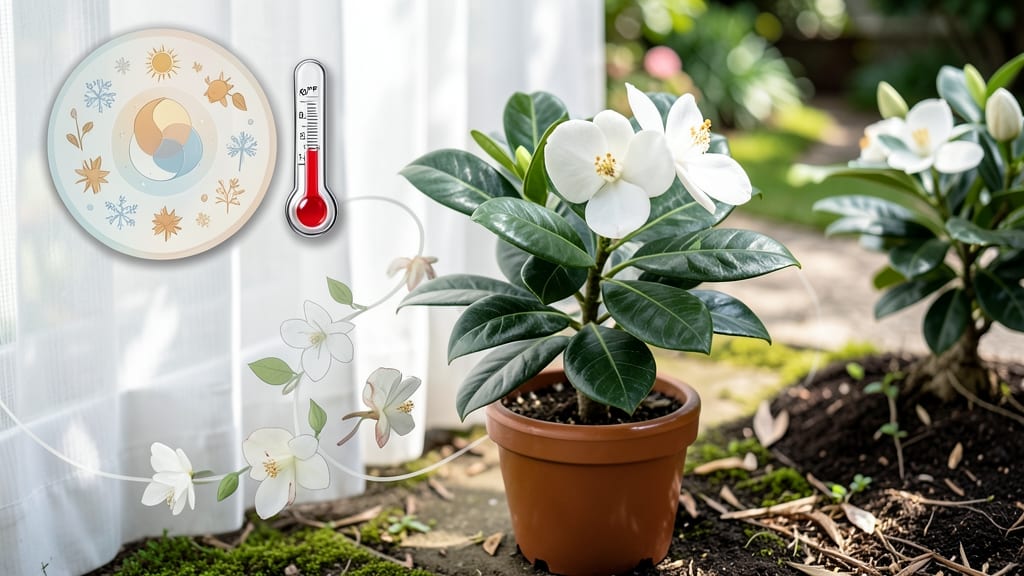
Gardenias don't bloom all year—most varieties produce flowers seasonally, primarily from spring through summer, with some types offering occasional fall blooms. Their flowering cycles depend heavily on climate conditions, sunlight exposure, and proper plant care.
Gardenias follow natural growth patterns influenced by daylight hours and temperature shifts. 🌸 The most common varieties enter dormancy during winter months, conserving energy for their spring rebloom.
Tropical gardenias in warm climates may extend their blooming season, but even they typically experience slower growth and fewer flowers outside their peak periods. I've found that consistent care—like regular pruning and balanced fertilization—can help coax a few extra blooms, but you shouldn't expect continuous flowers year-round.
What's fascinating is how these plants respond to their environment. For instance, gardenias planted in USDA Zone 8 or warmer often bloom more consistently than those in colder regions.
The key is understanding your specific variety's needs—some like 'Kleim's Hardy' will give you a strong spring display, while others might surprise you with sporadic fall blooms if conditions are just right.
💡 In This Article
- Seasonal Blooming Patterns of Gardenia Varieties
- Extending Gardenia Blooms with Climate and Care
Seasonal blooming patterns of gardenia varieties
Gardenias bloom seasonally because their flowering cycles are tightly linked to hormonal responses triggered by environmental cues. These plants rely on daylight hours (photoperiodism) and temperature shifts to signal when it's time to produce buds.
In most varieties, the transition from winter dormancy to spring growth triggers a surge of florigen, a flowering hormone that stimulates bud formation. This natural cycle explains why you'll typically see peak blooms between late spring and early summer, when days lengthen and temperatures stabilize above 60°F.
The difference between reblooming and single-bloom varieties comes down to genetic programming.
Rebloomers like 'Radicans' produce flowers multiple times per season because they maintain active growth throughout warmer months, while single-bloomers like 'August Beauty' focus all their energy on one spectacular spring display. 🌿 What's interesting is how temperature thresholds affect this: gardenias need consistent warmth (ideally 70-85°F during the day) to sustain blooming, which is why tropical varieties often extend their season into fall when nights remain mild.
Daylight exposure plays a critical role too. Gardenias require at least 6 hours of direct sunlight daily to trigger flowering hormones. In northern climates, shorter winter days signal dormancy, while southern regions with longer light exposure can maintain blooming for several months.
This is why gardenias in USDA Zone 9 or warmer often flower more continuously than those in colder zones, where they might only bloom for 8-12 weeks per year.
There's also a fascinating biological trade-off: gardenias prioritize either flower production or foliage growth at any given time. When you see lush green leaves but few blooms, the plant is likely conserving energy for future flowering cycles.
This explains why even well-cared-for gardenias in temperate zones rarely produce flowers year-round—they're biologically programmed to follow seasonal rhythms.
One exception worth noting is the 'Veitchii' variety, which can produce sporadic blooms in fall if summer conditions were ideal. However, this is more of a bonus than a reliable pattern.
The key takeaway is that gardenias are not designed for continuous blooming—their seasonal nature is an adaptation that ensures they produce their most vibrant flowers when environmental conditions are optimal for pollination and seed production.
For gardeners in cooler climates, this means accepting that winter dormancy is natural. Even in mild winters (like those in Zone 8), gardenias typically rest for 2-3 months, during which they drop buds and conserve energy.
The plants that seem to bloom year-round are often those grown in greenhouses or microclimates where temperature and light can be artificially controlled.