
Blooming
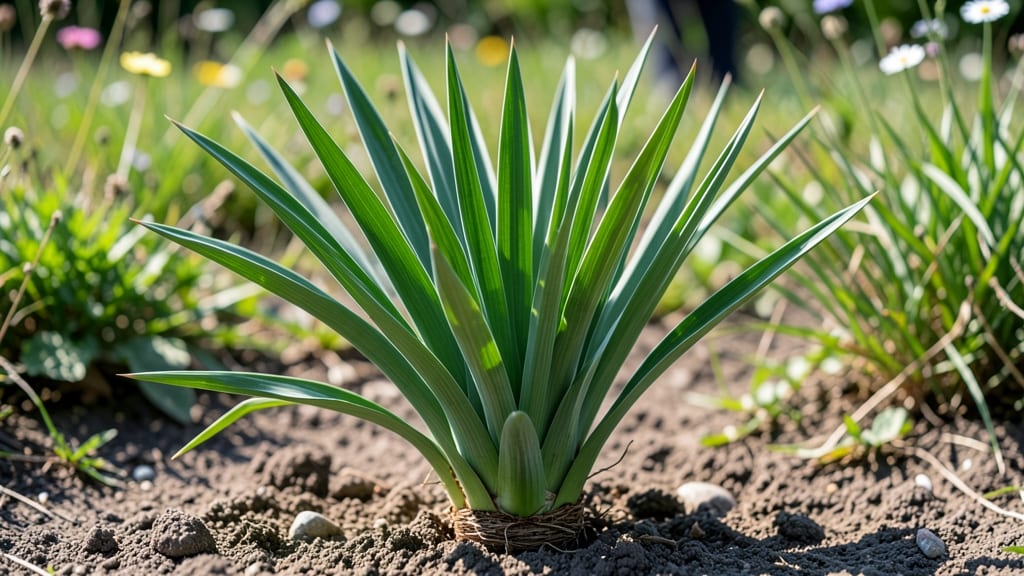
Gladiolus do not bloom the first year after planting; instead, they focus on establishing strong roots and foliage, typically producing flowers in their second growing season with proper care and optimal conditions.
This isn't a failure—it's actually a clever survival strategy.
Gladiolus corms (their underground bulbs) prioritize building deep, nutrient-rich roots and sturdy foliage in their first year, storing energy for the big show to come. 🌱 Think of it like a runner training for a marathon: they don't sprint on day one.
The key is giving them consistent moisture, well-draining soil, and full sunlight (at least 6-8 hours daily). I've seen gardeners rush to fertilize early blooms, only to end up with weak stems that flop under the weight of flowers later.
Patience pays off—proper first-year care sets the stage for stunning 3-5 foot spikes in year two.
Here's the science: gladiolus are short-day plants, meaning their flowering cycle triggers when daylight hours shorten. This means timing matters—planting in early spring (when soil temps hit 60°F+) gives them the growing window they need before winter dormancy kicks in.
The corms you buy are often year-old, so they've already done their root-building phase. That's why some gardeners swear by planting pre-grown corms in spring—they've already skipped the first-year root phase and may bloom that same season.
💡 In This Article
- Why Gladiolus Skip Flowering in Year One
- Maximizing Gladiolus Blooms: Year-One Care Tips
Why gladiolus skip flowering in year one
The first-year delay in gladiolus blooming isn't laziness—it's a biological survival strategy. These plants allocate up to 80% of their energy toward developing a robust root system and expanding their corm (the bulb-like underground stem).
The corm acts like a battery, storing starches and nutrients that will fuel next year's flower spikes. 🌱 During this phase, you'll notice thick, sword-like foliage emerging, which is actually photosynthesis powerhouses working to build the plant's energy reserves.
Light exposure triggers this cycle. Gladiolus are short-day plants, meaning they need decreasing daylight hours (typically 12-14 hours of light or less) to initiate flowering. In their first year, they focus on vegetative growth during long summer days, only preparing for dormancy as daylight shortens in late summer.
This is why gardeners in northern climates sometimes see earlier blooming—the cooler temperatures and shorter days come sooner than in warmer regions.
The corm's size directly correlates with future blooms. A healthy first-year corm can grow to 2-3 inches in diameter, producing 3-5 strong stems the following season. The larger the corm, the more flower spikes it can support.
This is why over-fertilizing with nitrogen early on can backfire—it promotes leafy growth at the expense of corm development. The ideal first-year corm should feel firm and heavy for its size, indicating proper energy storage.
Temperature plays a crucial role too. Gladiolus corms need consistent soil temperatures above 60°F to activate growth. Below this threshold, they remain dormant. This is why spring planting (after last frost) gives them the full growing season to establish before winter dormancy.
The corm's dormancy period is nature's way of protecting it—it allows the plant to "rest" and reallocate resources to flowering when conditions are optimal.
Here's what's happening underground: The corm produces secondary roots that branch out in all directions, creating a network that can reach 12-18 inches deep. These roots absorb water and nutrients while the foliage above performs photosynthesis.
The combination of these two systems creates the energy surplus needed for next year's dramatic flower spikes, which can reach 3-5 feet tall with proper care.
What most gardeners don't realize is that the first-year foliage serves as the plant's "training wheels." The taller the stalks (typically 2-3 feet by season's end), the more energy the corm has stored.
This is why you'll often see gardeners cutting back the foliage after it yellows—it signals the plant to redirect nutrients back to the corm for storage. 💫