
Blooming
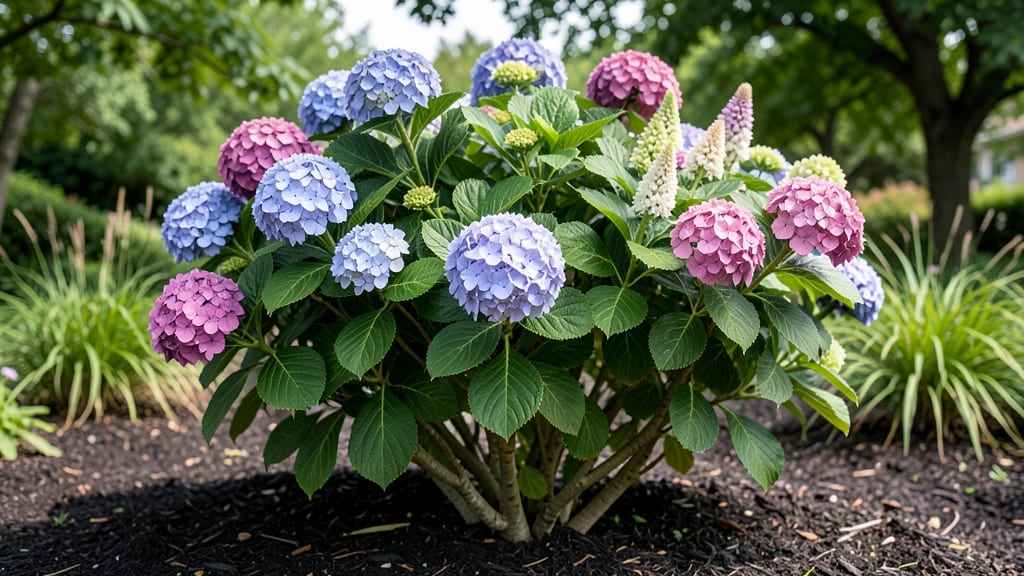
Hydrangeas don't bloom all summer—unless you're growing the right varieties and pruning them correctly. 🌸 I've learned this the hard way after watching mophead hydrangeas put on one spectacular show in spring, then fizzle out by July.
The secret lies in choosing reblooming types like 'Endless Summer' or 'Limelight' and understanding when to prune.
The key difference is in the blooms: mophead and lacecap types set buds on old wood last fall, while panicle and reblooming varieties produce new flowers on current season's growth.
That means proper pruning after flowering lets them produce a second (and sometimes third) flush of blooms. My 'Limelight' hydrangea now gives me color from June through September.
You'll end up with hydrangeas that keep putting on new flowers all season long. The trick is timing pruning to right after the first big flush, then fertilizing lightly to encourage new growth. Even in hot climates, rebloomers can extend their show with proper care.
Works for both garden beds and containers, though container-grown plants may need extra water during summer heat. The payoff is worth the effort—imagine hydrangeas blooming when most other perennials have taken a break!
Why Hydrangeas Skip Summer Shows
If your hydrangeas are throwing a one-time bloom party instead of a full-season bash, don’t panic—there’s usually a clear reason behind the missed performances. Understanding these causes helps you tweak care routines for a longer, more vibrant display.
Let’s break down the science (and solutions) behind why hydrangeas might not rebloom like clockwork.
Hydrangeas are light-hungry—especially reblooming varieties like Endless Summer or Annabelle. Too little sunlight triggers a metabolic slowdown, halting flower production after the first flush.
- Why it happens:
- Hydrangeas need 6–8 hours of direct sun daily (morning sun + afternoon shade works best in hot climates). Shady spots (e.g., under trees or north-facing walls) starve the plant of energy for secondary blooms.
- Low light reduces photosynthesis, so the plant diverts energy to leaf growth instead of flowers.
- Mature hydrangeas in deep shade may only bloom once, then conserve resources for survival.
- Actionable fix:
- Move potted hydrangeas to sunnier spots (but avoid harsh afternoon sun in Zone 8+).
- For in-ground plants, prune nearby trees to increase light exposure gradually (over 1–2 years).
- Use reflective mulch (like white gravel) to bounce light onto the base.
Hydrangeas are thirsty but finicky—too little or too much water disrupts nutrient uptake and flower buds. Both extremes send the plant into survival mode, pausing blooms until conditions stabilize.
- Why it happens:
- Underwatering: Dry soil triggers abscisic acid (a stress hormone) that halts flower development. Buds drop off or fail to form.
- Overwatering: Soggy roots suffocate the plant, preventing calcium and potassium absorption—critical for bud formation. Root rot also blocks water/nutrient transport.
- Inconsistent watering (e.g., drought followed by floods) confuses the plant’s circadian rhythm, delaying reblooming.
- Actionable fix:
- Water deeply 2–3x/week (1–1.5 inches per session), soaking the root zone. Use a moisture meter to check soil.
- Avoid wetting leaves/flowers to prevent fungal blooms (like powdery mildew), which drain energy.
- For containers, use self-watering pots or hydrogel crystals to maintain even moisture.
Hydrangeas are temperature-sensitive—extreme heat or late frosts can shock the plant into skipping its second act. Even mild stress (like sudden heatwaves) can stall bud development.
- Why it happens:
- Late frosts (<32°F/0°C): Damages flower buds that formed the prior summer, leaving no secondary blooms.
- Heatwaves (>90°F/32°C): Causes bud blast—buds form but abort due to heat stress. High temps also increase respiration rates, depleting energy reserves.
- Cold snaps in spring: Delays auxin hormone production (key for new growth), pushing back the bloom window.
- Actionable fix:
- Use shade cloth (30–50%) during heatwaves to keep temps below 85°F (29°C).
- Mulch with 3–4 inches of organic matter (straw or wood chips) to regulate soil temps.
- For potted plants, move to shadier, cooler spots during heat spikes.
Hydrangeas are heavy feeders—without the right nutrients, they’ll prioritize leaves over flowers. Even "rich" soil can lack critical elements for reblooming.
- Why it happens:
- Low phosphorus (P): Essential for energy transfer in flowers. Deficiencies cause small, sparse blooms or no reblooming.
- Potassium (K) shortage: Weakens cell division in buds, leading to dropped or undeveloped flowers.
- Magnesium (Mg) or calcium (Ca) imbalances: Cause blossom end rot in buds or yellowing leaves, sapping energy.
- Over-fertilizing with nitrogen (N): Promotes leafy growth at the expense of flowers.
- Actionable fix:
- Test soil with a home kit or send to a lab. Aim for:
N-P-K Ratio Ideal Range For rebloomers 10-10-10 or 5-10-10 (higher P) Micronutrients pH 5.2–6.0 (for blue flowers) or 6.0–7.0 (for pink) - Feed with a balanced bloom booster (like 7-9-5) every 4–6 weeks starting in early spring.
- Add compost or bone meal (for P) to the root zone in late winter.
- Test soil with a home kit or send to a lab. Aim for:
Pruning is non-negotiable for reblooming hydrangeas—but timing and technique can derail blooms entirely. A single wrong cut can mean no flowers for a season.
- Why it happens:
- Pruning at the wrong time:
- Late winter/early spring (before buds swell): Removes next year’s blooms (old wood hydrangeas like Bigleaf need last year’s buds).
- After the first bloom (summer): Cuts off new flower buds forming
- Pruning at the wrong time:
Revive & Extend Your Hydrangeas Bloom Time
If your hydrangeas are struggling to deliver nonstop summer color, don’t panic! With the right tweaks, you can coax them back to life and keep those blooms coming. Below, we’ve mapped out the most common causes of short-lived blooms—and the practical fixes to turn things around.
Plus, we’ll share prevention tips to ensure your hydrangeas stay vibrant season after season.
If you’re pruning at the wrong time or too aggressively, you might be trimming off next year’s flower buds before they form. Hydrangeas like Endless Summer varieties bloom on new wood, while older varieties (like Bigleaf) bloom on old wood.
Mixing up the timing can leave your plants looking bare.
How to Fix It:
✅ 🔥 For New-Wood Bloomers (e.g., Endless Summer):
- Prune right after flowering (late summer/early fall) to encourage fresh growth for next season.
- Cut back 1/3 of the oldest stems to rejuvenate the plant.
- Avoid heavy pruning in spring—this removes potential flower buds.
✅ 🍳 For Old-Wood Bloomers (e.g., Bigleaf, Oakleaf):
- Prune immediately after blooming (late spring/early summer).
- Remove dead or weak stems but leave healthy ones intact.
- Never prune in fall or winter—this cuts off next year’s buds!
💡 Pro Tip: If you’re unsure which type you have, check the plant tag or do a quick search by variety. When in doubt, prune lightly in late summer to avoid mistakes.
Hydrangeas need the right balance of sun and space to thrive. Too much shade or competition from other plants can stunt growth and reduce blooms. Meanwhile, too much direct sun (especially in hot climates) can cause flowers to wilt prematurely.
How to Fix It:
👨🍳 🌿 Adjust Light Exposure:
- Most hydrangeas prefer morning sun + afternoon shade (3–6 hours of sun daily).
- If your plant is in deep shade, thin nearby trees or shrubs to increase light.
- For hot climates, provide afternoon shade with sheer curtains or lattice screens.
🔪 🌿 Thin Out Overcrowded Plants:
- Dig up and divide clumps every 3–5 years to prevent root competition.
- Replant divisions in well-draining soil with 3–4 feet of space between plants.
🌡️ 🎯 Prevent Heat Stress:
- Mulch with 2–3 inches of organic mulch (like shredded bark) to retain moisture.
- Water deeply 2–3 times per week during heatwaves (early morning is best).
Hydrangeas are thirsty but hate soggy roots. Poor drainage or inconsistent watering can lead to weak stems, yellowing leaves, and fewer blooms. Plus, soil pH plays a role in flower color—too alkaline or acidic, and your blooms might fade or fail to appear.
How to Fix It:
💧 📊 Optimize Watering:
- Water at the base (avoid wetting leaves to prevent disease).
- Aim for 1–1.5 inches of water per week (more in extreme heat).
- Use drip irrigation or soaker hoses for consistent moisture.
🌱 💪 Improve Soil Drainage:
- Amend heavy clay soil with compost or perlite to prevent waterlogging.
- If your soil is too sandy, mix in peat moss or coconut coir for better retention.
- Test soil pH with a home kit—hydrangeas prefer pH 5.2–6.0 for blue/purple blooms or 6.0+ for pink.
✨ 🎯 Feed for Blooms:
- Apply a balanced fertilizer (10-10-10) in early spring and a high-phosphorus (5-10-5) fertilizer mid-summer to boost flowering.
- Avoid high-nitrogen fertilizers—they promote leaves over blooms!
Spider mites, aphids, and fungal diseases like powdery mildew can sap your hydrangeas’ energy, leading to sparse or short-lived blooms. Catching these early makes all the difference.
How to Fix It:
🔥 🐛 Treat Pests Naturally:
- Spider mites/aphids: Spray with neem oil or insecticidal soap (follow label instructions).
- Slugs/snails: Set up beer traps or copper barriers around the base.
- Japanese beetles: Handpick in the morning or use milky spore powder as a long-term deterrent.
🌡️ 🌿 Prevent Fungal Issues:
- Remove fallen leaves and debris to reduce humidity around the plant.
- Water at the base, not overhead, to keep foliage dry.
- Apply baking soda spray (1 tsp baking soda + 1 quart water + a drop of soap) for powdery mildew prevention.
Not all hydrangeas are created equal! If you planted the wrong type for your climate or didn’t give it enough time to establish, you might be disappointed with its performance.
How to Fix It:
🌿 🌱 Choose the Right Variety:
- For longer bloom seasons, opt for Endless Summer, BloomStruck, or Little Lime (reblooming types).
- For hot climates, pick Panicle hydrangeas (e.g., Limelight)—they tolerate heat better.
🌡️ 🎯 Give It Time to Root:
- Newly planted hydrangeas may take 1–2 years to establish and bloom reliably.
- Avoid fertilizing heavily in the first planting year—focus on watering and mulching.
With these fixes, your hydrangeas should rebound quickly and deliver nonstop summer color—no more sad, sparse blooms! For best results, combine pruning, sunlight adjustments, and consistent care. Happy gardening! 🌸💦
Frequently asked questions
Why do some hydrangeas bloom only once while others keep flowering all summer?
It comes down to the type! Old-wood bloomers (like Bigleaf varieties) set buds on last year's growth and typically flower just once per season. Reblooming types (such as Endless Summer or Limelight) produce flowers on new growth, allowing them to bloom multiple times if pruned correctly. The key difference is their growth habit - new wood bloomers can keep producing flowers all season with proper care.
Can I make my existing hydrangeas rebloom if they only flower once?
For old-wood bloomers, you can't change their nature, but you can extend their show by pruning lightly after the first bloom to encourage some new growth. For new-wood types, prune back by 1/3 after flowering to stimulate fresh blooms. If you're unsure which type you have, check the plant tag or do a quick online search by variety name. The right pruning timing makes all the difference!
What's the best way to keep hydrangeas blooming through summer heat?
Focus on three key factors: water consistently (1-1.5 inches weekly), provide morning sun with afternoon shade, and use mulch to retain moisture. For containers, move them to shadier spots during heatwaves. Also, feed with a high-phosphorus fertilizer (like 5-10-5) every 6 weeks to support continuous blooming. These simple adjustments can make a huge difference in hot climates.
Will pruning my hydrangeas too late in the season affect next year's blooms?
Yes, timing is everything! For old-wood types, never prune after mid-summer as you'll remove next year's flower buds. For new-wood varieties, prune in late summer/early fall to encourage fresh growth. The general rule is: prune after the main bloom period for your specific variety. When in doubt, prune lightly in late summer to avoid mistakes.
How can I tell if my hydrangeas are getting enough sunlight?
Check for these signs: healthy leaves (dark green, not yellow), strong stems, and plenty of buds. If your hydrangeas have sparse blooms or leggy growth, they likely need more light. Most varieties thrive with 3-6 hours of morning sun plus afternoon shade. Move potted plants to sunnier spots gradually, and thin nearby trees if your in-ground plants are struggling.