
Blooming
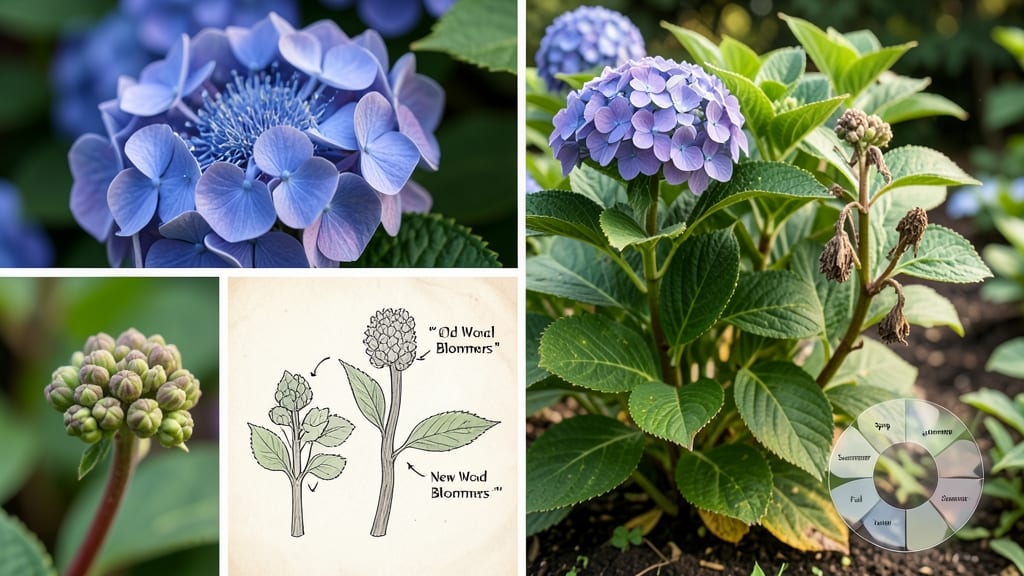
Do hydrangeas only bloom once a year?
Not necessarily—some varieties put on just one spectacular show each year, while others reward you with multiple flushes of flowers if you time your pruning right. 🌸 The confusion comes from mixing up types like mopheads (one bloom cycle) with panicle hydrangeas (reblooming stars).
What you do know is that deadheading spent blooms and understanding your plant's type can turn a single-season display into a year-round garden highlight.
The secret lies in when you prune: mopheads bloom on last year's growth, so cutting back in spring removes next year's flowers. But panicle types (like 'Limelight') and reblooming mopheads (like 'Endless Summer') thrive when you trim after flowering.
I learned this the hard way—my first hydrangea looked like a sad stick after aggressive spring pruning. Now I wait until late summer to shape them, and they come back stronger every year.
You'll notice the difference in 3-4 weeks after proper pruning: new stems form, buds swell, and by mid-summer, you're getting fresh blooms instead of waiting for one big show. Even mopheads can produce smaller late-season blooms if you leave some old stems.
The key is patience—hydrangeas reward careful handling with lush, long-lasting color that keeps your garden vibrant well past the usual summer peak.
Works for garden beds, containers, or even as cut flowers—just match your care to the variety. Here's how to tell them apart and keep them blooming their best, no matter what type you grow.
📚 In This Guide
- What you need
- Instructions
- Tips and common mistakes
- Wrapping up and next steps
What you need
- ● Hydrangea plants: Choose reblooming varieties like 'Endless Summer,' 'Annabelle,' or 'Nikko Blue' (1-3 plants, depending on desired display). Avoid bigleaf hydrangeas (e.g., 'Macrophylla') unless pruned carefully.
- ● Well-draining potting mix: 5-10 gallons (for container plants) or amend garden soil with compost (1 part compost to 3 parts soil) for in-ground plants.
- ● Fertilizer: Balanced granular fertilizer: 10-10-10 or 20-20-20 (1 lb per 100 sq ft or per 5-gallon container).
- ● Slow-release bloom booster: Look for one with phosphorus (P) and potassium (K) (e.g., 5-10-10).
- ● Organic options: Fish emulsion (1-2 tbsp per gallon of water) or bone meal (1/2 cup per plant).
- ● Pruning tools: Bypass pruners: Sharp, clean pair for clean cuts (avoid anvil pruners).
- ● Garden shears: For larger stems (6-8 inch blades).
- ● Disinfectant: 70% isopropyl alcohol or bleach solution (1 part bleach to 9 parts water) to sterilize tools.
- ● Mulch: 2-3 inches of organic mulch (e.g., shredded bark, pine straw, or compost) to retain moisture and regulate soil temperature.
- ● Watering can or hose: With a gentle spray nozzle (1-2 gallons capacity for containers).
- ● pH test kit: To monitor soil acidity (ideal range: 5.2–6.0 for blue/purple blooms, 6.0–7.0 for pink blooms).
- ● Aluminum sulfate or lime: For adjusting soil pH (follow package instructions carefully!).
- ● Epsom salt: Magnesium sulfate (1 tbsp per gallon of water) for extra lush foliage (use sparingly).
- ● Plant supports: Stakes or cages for heavy bloomers (e.g., 'Endless Summer').
- ● Shade cloth: 30-50% coverage for afternoon sun protection in hot climates.
- ● Garden journal: To track blooming cycles, pruning dates, and fertilizer applications.
- ● Gloves: Heavy-duty for thorny stems or protection from soil-borne pathogens.
How to encourage hydrangeas to bloom more than once a year
Here's the truth about hydrangea blooms—some varieties surprise with multiple flushes if you time care just right.
🌿 Step 1: Identify Your Hydrangea Type
Not all hydrangeas bloom once. Bigleaf hydrangeas (Hydrangea macrophylla) typically bloom on old wood (last year's growth), while panicle (Hydrangea paniculata) and smooth (Hydrangea arborescens) types bloom on new wood (current season). Check your plant's flowers now—if they're on last year's stems, you're dealing with old-wood bloomers.
Old-wood types like Endless Summer hybrids are exceptions—they bloom on both old and new wood, giving you two chances. If yours isn't one of these, focus on pruning and light adjustments to maximize the one bloom cycle you do get.
☀️ Step 2: Optimize Light for Extended Blooming
Hydrangeas need 4-6 hours of morning sun and afternoon shade to bloom well. Too much direct sun scorches buds, while too little light weakens stems. I place mine where they get bright, indirect light—think dappled shade under a tree canopy.
Watch for leaf scorch (brown edges) or pale, leggy growth—both mean your plant is struggling with light balance. Adjust by moving the plant or adding shade cloth if needed. Proper light keeps buds healthy for that single (or rare double) bloom cycle.
✂️ Step 3: Deadhead Strategically After Blooming
For old-wood types, never cut back bloomed stems—those contain next year's buds. Instead, trim just above the first set of 5-7 leaves below the faded flowers. This preserves the dormant buds while removing spent blooms.
If you have a new-wood bloomer, deadhead right after flowering to encourage a second flush. Cut stems back to the first set of healthy leaves, and feed with balanced fertilizer (10-10-10) to support new growth. You'll see new buds forming within 6-8 weeks.
💧 Step 4: Water and Feed for Longer Bloom Seasons
Hydrangeas need consistent moisture—dry spells stress plants and reduce bloom quality. I water deeply 2-3 times per week until soil is moist 6 inches down. Use mulch to retain moisture and keep roots cool.
Feed with acid-loving plant fertilizer (like Miracid) in early spring and mid-summer to support bud formation. For blue flowers, add aluminum sulfate to the soil; for pink, use lime. The key is steady nutrition—skipping feeds weakens stems and cuts bloom time short.
⏰ Step 5: Plan for Seasonal Adjustments
In fall, stop fertilizing 6-8 weeks before your first frost. This lets buds harden off for winter. For old-wood types, never prune until late winter—you risk cutting off next year's flowers.
New-wood types can be pruned in late winter or early spring before new growth starts. This clears out dead wood and encourages dense, bushier growth that blooms more prolifically. Time it right, and you'll see a second flush by mid-summer.
Tips & tricks for encouraging hydrangeas to rebloom
Real talk: not all hydrangeas are created equal when it comes to blooming. Here's what I've learned to help you coax more flowers from your plants.
Variety-Specific Care: If you have a bigleaf hydrangea like Hydrangea macrophylla, focus on protecting those old wood stems where next year's buds are forming. I've seen people accidentally prune away entire seasons of blooms by cutting back too aggressively in late winter. For new-wood types, the 6-8 week window after pruning is critical—this is when those second flushes appear. Don't rush the process!
Light Balance is Everything: That 4-6 hours of morning sun isn't just a suggestion—it's non-negotiable for bud formation. I learned this the hard way when my hydrangeas produced tiny, weak blooms after a summer of too much afternoon sun. Watch for those crispy brown edges on leaves as your warning sign. A simple shade cloth can work wonders if your plant gets scorched in the afternoon.
Deadheading Strategy: For old-wood types, I can't emphasize enough how important it is to leave those spent stems. I've seen gardeners cut everything back after the first bloom, only to be disappointed by no flowers the next year. That first set of 5-7 leaves below the blooms is your guide—cut just above there, and you'll preserve next year's potential. For new-wood types, the timing matters just as much as the technique.
Seasonal Timing: Those 6-8 weeks before frost are crucial for bud formation. I make it a point to mark my calendar when the first frost is expected. Stop fertilizing then, and let your plant focus on hardening off. For old-wood types, wait until late winter to prune—any earlier, and you risk cutting off next year's flowers before they've even formed.
Pro Tips for Do Hydrangeas Only Bloom Once A Year
- Real talk: not all hydrangeas are created equal when it comes to blooming.
- Variety-Specific Care: If you have a bigleaf hydrangea like Hydrangea macrophylla, focus on protecting those old wood stems where next year's buds are forming.
- Light Balance is Everything: That 4-6 hours of morning sun isn't just a suggestion—it's non-negotiable for bud formation.
Frequently asked questions
about hydrangea blooming cycles—because every gardener deserves clarity!Do hydrangeas always bloom only once a year?
Not necessarily! While mophead and lacecap hydrangeas (like Hydrangea macrophylla) typically bloom once (spring/early summer), reblooming varieties (e.g., Endless Summer) produce two flushes: one in spring and a second in late summer/fall. Check your plant’s tags or variety for specifics!
Why did my hydrangea bloom once and then stop?
If your hydrangea bloomed once and faded, it’s likely a non-reblooming type. Other culprits? Overpruning old wood (cutting back after blooms) or nutrient/light shortages. Rebloomers may need regular deadheading and balanced fertilizer (like 10-10-10) to encourage a second bloom.
Can I force a second bloom on a non-reblooming hydrangea?
Unfortunately, no—but you can prune strategically to shape future growth! Cut back one-third of the oldest stems in late winter to encourage new blooms on next year’s wood. Just avoid trimming after blooms if you want to preserve next season’s flowers!
Does light affect how often hydrangeas bloom?
Hydrangeas thrive in partial shade (4–6 hours of sun). Too much direct sun can stress them, reducing blooms, while too little light may limit flower production entirely. Rebloomers need bright, indirect light to fuel their second flush.
What’s the best way to deadhead hydrangeas for reblooming?
For reblooming varieties, trim just above the first set of healthy leaves (or a pair of buds) after the first bloom fades. For non-rebloomers, skip deadheading—let flowers go to seed to protect next year’s blooms! Never prune in fall or winter—wait until spring.
Do hydrangeas bloom later in cooler climates?
Yes! In zones 5–7, hydrangeas often bloom later in the season (June–July) due to slower spring growth. Rebloomers in cooler areas may need extra protection (like mulch) to extend their second flush into fall. Heatwave-prone zones (8+)? Provide afternoon shade to prevent stress.
Wrapping up and next steps
So, do hydrangeas only bloom once a year? Not necessarily! While many varieties like mopheads and lacecaps shine once in summer, reblooming types (like Endless Summer) can reward you with two stunning shows—if you give them the right care.
The key? Pruning at the right time, deadheading spent blooms, and ensuring they get enough light and nutrients. 🌸
Now that you’re armed with the know-how, roll up your sleeves and experiment! Try deadheading a few blooms or adjusting your pruning schedule—you might just unlock a second burst of color. Happy gardening! 🌿