
Blooming
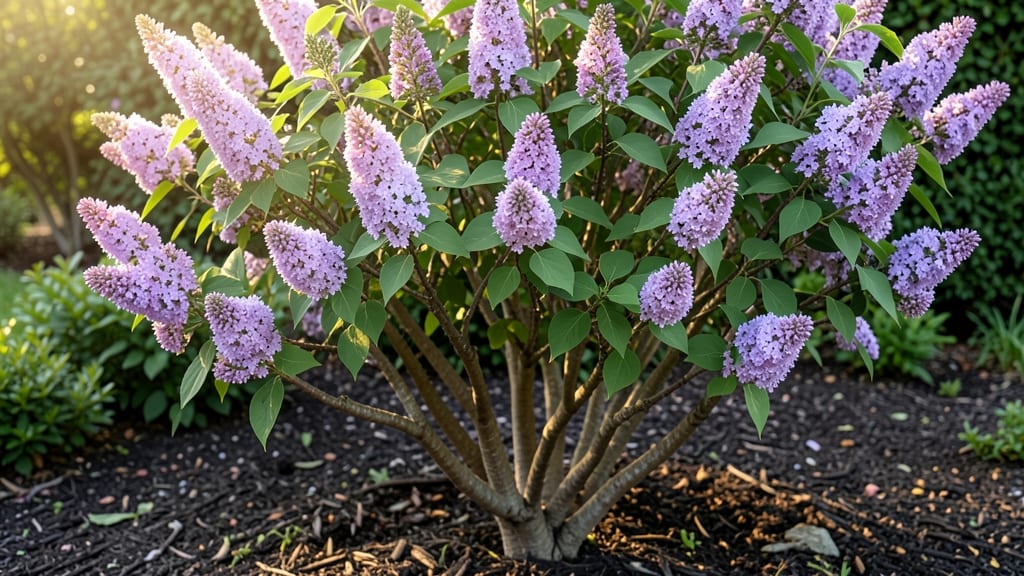
Lilacs bloom on old wood, so their flowers develop on the previous year’s growth rather than fresh new shoots. Cutting back stems too late or removing last year’s branches eliminates next season’s blooms, so always prune after flowering and never over-trim mature wood.
This unique growth habit means lilacs store flower buds during dormancy, so pruning at the wrong time removes the entire year’s potential blooms. 🌸 The buds form in late summer on the current year’s growth but won’t open until the following spring—meaning any aggressive cuts after flowering can leave you with bare stems.
I’ve seen gardeners accidentally prune away their entire bloom cycle by cutting too late, so timing is everything when working with these classic spring shrubs.
The key is to wait until after the lilac flowers fade completely before touching your pruners. This gives the plant time to set next year’s buds while still maintaining the structure of last year’s branches.
Even a single misplaced cut can mean fewer flowers next season, so patience pays off when working with these hardy but particular shrubs.
💡 In This Article
- Why Lilac Flowers Grow on Old Wood
- Correct Pruning Techniques for Lilacs
Why lilac flowers grow on old wood
Lilacs follow a unique flowering pattern where buds form on the previous year's growth, a process called monopodial branching. During late summer, while the plant appears dormant, tiny flower buds develop at the base of last year's stems.
These buds remain dormant through winter and only open in spring when temperatures rise and daylight increases. The key is that these buds don't form on new shoots—they're already present on the 2-3 year old wood from prior seasons.
This growth habit explains why lilacs can produce such abundant blooms. Each stem can carry dozens of buds that develop over months, creating those iconic fragrant clusters. The older stems (typically 2-4 years old) have the energy reserves needed to support this heavy flowering.
When you prune too late, you're essentially cutting away next year's blooms before they've even formed. 🌸 The plant's energy is already allocated to those buds by late summer, so any cuts after flowering remove the entire bloom cycle.
Temperature plays a crucial role in this process. Lilacs need a period of winter chilling (300-600 hours below 45°F) to break dormancy and trigger bud development. Without this cold exposure, buds may fail to open properly.
The plant's internal clock also times the bud formation to coincide with optimal spring conditions—typically when night temperatures drop below 50°F and days warm up. This precise timing is why lilacs bloom so reliably each year when given proper care.
What makes this even more fascinating is how lilacs store carbohydrates in their woody stems. These reserves fuel both the flowering process and new growth.
When you prune correctly (after flowering), you're actually encouraging the plant to redirect energy from seed production (which happens after flowers fade) back into next year's bud formation. This is why properly pruned lilacs can live for decades while still producing abundant blooms each spring.
Here's what happens when you prune at the wrong time: If you cut back stems in late spring or summer, you remove the current year's flower buds before they've had a chance to develop. The plant then must start over, often producing only minimal blooms the following year.
This is why gardeners often see their lilacs decline in flower production after just a few years of improper pruning. The plant simply can't keep up with the demand when its bud-forming stems are constantly being removed.
Consider this comparison: A well-pruned lilac bush might have 50-100 flower buds on each mature stem, while an improperly pruned one might have only 5-10. That's why timing your pruning correctly can mean the difference between a spectacular spring display and a sparse one.
The plant's entire flowering strategy depends on preserving last year's growth until the buds are safely formed.