
Blooming
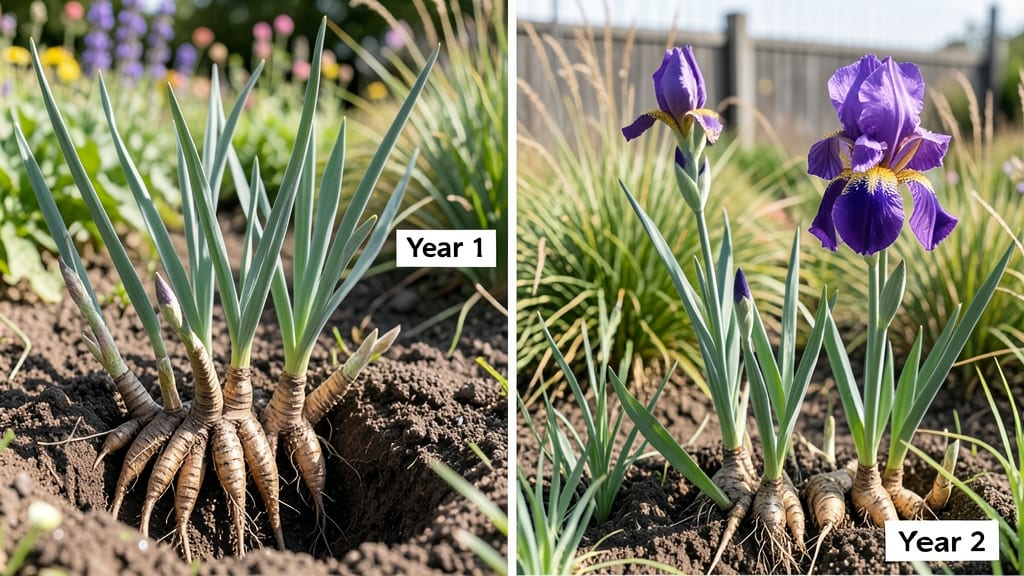
Most iris varieties do not bloom every year, as they enter a natural dormancy period following their spring flowering. Bearded irises typically rest underground after blooming, while reblooming types may produce a second flush with proper care like consistent moisture and sunlight. Strategic gardening practices can help stimulate more frequent flowering over time.
This annual blooming pattern isn't a sign of poor health—it's actually how irises conserve energy. 🌱 After their spectacular spring display, these perennials focus on building up their rhizomes (those thick, horizontal roots) for next year's growth.
Reblooming varieties, like 'Imagination' or 'Blue Flag,' can produce a second round of flowers if you provide them with the right conditions: well-draining soil, regular watering (about 1 inch per week), and a balanced fertilizer applied in early spring.
The key is understanding that irises are strategic bloomers, not obligate annual flowerers.
What many gardeners don't realize is that over-fertilizing or planting too deeply can actually suppress blooming. Irises need that dormancy period to recharge—skipping it by keeping them too wet or warm in fall can lead to weak or no flowers the following spring.
Think of it like giving your plants a well-deserved vacation after their big show!
💡 In This Article
- Why Iris Plants Skip Blooming Cycles
- How to Encourage More Frequent Iris Blooms
Why iris plants skip blooming cycles
The iris's annual blooming pattern is hardwired into its biology, starting with the rhizome—that thick, fleshy underground stem. After spring blooming, irises shift energy from flower production to storing carbohydrates in their rhizomes, which can contain up to 20-30% starch by dry weight.
This stored energy acts like a biological battery, powering next year's growth when daylight shortens and temperatures drop. 🌱 Without this dormancy period, the plant would exhaust its reserves too quickly, leading to weak or no blooms.
Seasonal triggers play a crucial role too. Most iris varieties require 6-8 weeks of cooler temperatures (below 60°F) after blooming to break dormancy properly. In warmer climates (USDA zones 8-10), this can create challenges—irises may not get enough chill hours, resulting in sporadic blooming.
The plant's internal clock, called vernalization, ensures flowers only emerge when conditions are optimal for survival. Reblooming varieties like 'Florence Scott' have slightly different genetics that allow them to produce a second flush when given consistent moisture and nutrients during their active growth phase.
Climate zones dramatically affect blooming patterns. In colder regions (zones 3-6), irises typically bloom once in late spring, then enter full dormancy. The contrast between hot summers and cold winters creates clear seasonal cues.
Meanwhile, in mild climates (zones 7-9), some varieties may attempt to bloom multiple times if not given proper rest. This is why you'll often see reblooming irises in coastal areas where temperature swings are less extreme.
The key difference lies in how each variety balances flowering energy expenditure versus storage energy accumulation.
What most gardeners overlook is how planting depth affects blooming. Irises need their rhizomes exposed to partial sunlight—burying them too deeply (more than 2 inches) can suffocate the plant and prevent it from storing enough energy.
The top of the rhizome should remain visible, allowing it to photosynthesize slightly even during dormancy. This exposure helps maintain the plant's metabolic functions while still conserving energy. 💡 The trade-off between energy storage and flower production is what makes iris blooming such a fascinating biological process.
Consider this comparison: A standard bearded iris might produce 20-50 flowers in its first spring bloom, but this massive energy output would deplete its rhizome stores if not followed by proper dormancy.
Reblooming varieties, which can produce 10-20 flowers in each flush, have evolved to handle more frequent blooming by being more efficient at energy storage and utilization. This biological strategy ensures the species' survival across diverse climates, from the Pacific Northwest's mild winters to the Midwest's harsh freezes.
Here's what's actually happening underground during dormancy: The rhizome's cells convert excess sugars into starch granules, which are stored in specialized cells called amyloplasts. These starch reserves can remain stable for months, waiting for spring's longer daylight to trigger their conversion back into sugars for new growth.
This metabolic process is why you'll often see iris leaves yellowing and dying back in late summer—it's not a sign of poor health, but rather the plant's way of conserving water and energy during its recharge period.