
Blooming
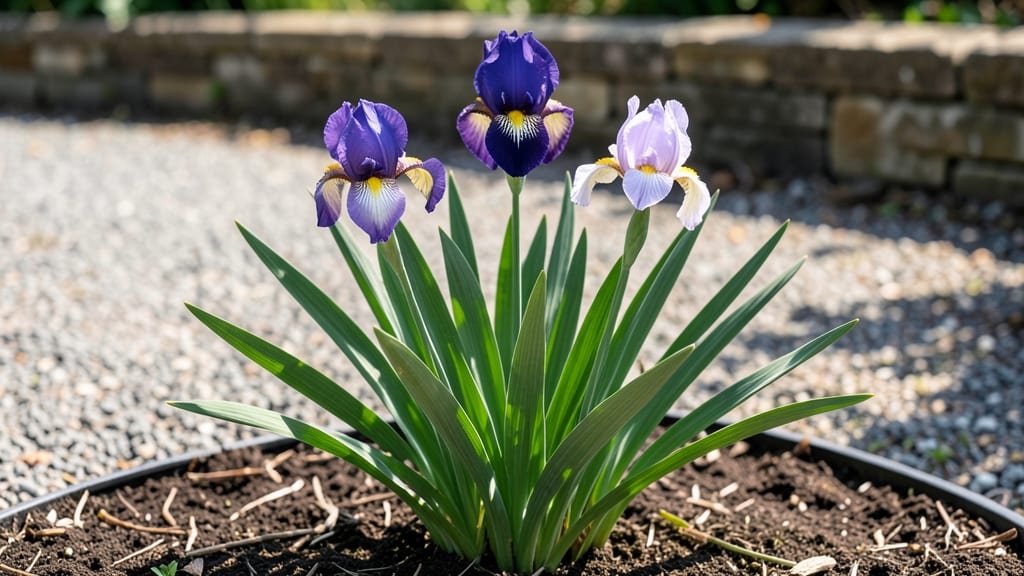
Irises do not bloom every year in most varieties—they typically produce one showy display in early spring, though reblooming types may offer a smaller late-summer flush. Consistent care and proper dormancy periods are key to annual flowering.
Most irises follow a natural seasonal rhythm, storing energy in their thick rhizomes during summer dormancy to fuel spring blooms. 🌸 This biological cycle explains why many gardeners see just one annual display—unless they're growing reblooming varieties like Louisiana or Japanese irises, which can produce secondary blooms with the right conditions.
The key difference lies in how these plants allocate resources: while standard irises prioritize one spectacular show, rebloomers distribute energy more evenly across seasons.
To maximize blooms, focus on three critical factors: balanced fertilization (spring and summer feedings), proper pruning (removing spent blooms but leaving foliage until it yellows), and well-draining soil (irises hate soggy roots).
I've found that reblooming varieties need slightly more attention—like monthly feeding during their second growth phase—but the payoff is worth it for those extra summer flowers.
💡 In This Article
- Why Most Irises Bloom Once Per Year
- How to Encourage Reblooming in Iris Varieties
Why most irises bloom once per year
Irises follow a natural biological cycle where their thick, fleshy rhizomes act like underground batteries. These rhizomes store carbohydrates and nutrients—like starches and sugars—during the plant's dormant summer months.
This stored energy is then used to fuel the dramatic spring bloom, which can last 3-4 weeks for standard varieties. 🌸 The plant prioritizes this one spectacular display because it's an evolutionary strategy to ensure successful reproduction before summer's heat sets in.
The timing of iris blooms is also triggered by specific environmental cues. Most varieties need 6-8 weeks of cool temperatures (below 60°F) to break dormancy and initiate flower buds.
This is why you'll rarely see irises blooming in late summer—unless they're reblooming types—which haven't evolved to handle the energy demands of multiple blooming cycles. The rhizome simply doesn't have enough reserve energy to support both a spring and summer show without proper care.
Here's where the science gets interesting: iris blooming is controlled by a hormone called florigen, which signals the plant when to produce flowers. In standard varieties, florigen production peaks once per year during spring, while reblooming types can produce smaller florigen spikes in late summer.
This hormonal difference explains why Louisiana irises might give you 10-15% smaller summer blooms compared to their spring display—it's like the plant is running on a reduced energy budget.
Consider this comparison: standard bearded irises (like 'Blue Flag' or 'Purple Haze') are like marathon runners who save all their energy for one big race, while reblooming varieties are more like sprinters who can do two shorter races if properly fueled.
The trade-off is that rebloomers often have slightly less vibrant summer flowers because they're not getting the same nutritional support as their spring counterparts. 💫
What most gardeners don't realize is that even reblooming irises need a proper dormancy period to recharge. If you don't allow them to rest in late summer/early fall (by reducing water and stopping fertilization), you'll actually weaken their ability to produce spring blooms the following year.
It's a delicate balance between encouraging reblooming and maintaining the plant's long-term health.
The rhizome's role is crucial—it's not just storage but also a growth engine. Each year, the rhizome grows about 1-2 inches in length, producing new roots and leaves. This growth requires energy that could otherwise go toward flowering.
That's why over-fertilizing can sometimes lead to lush foliage but fewer blooms—the plant is prioritizing vegetative growth over reproduction. The key is finding that sweet spot where you're providing enough nutrients without overstimulating the rhizome.