
Blooming
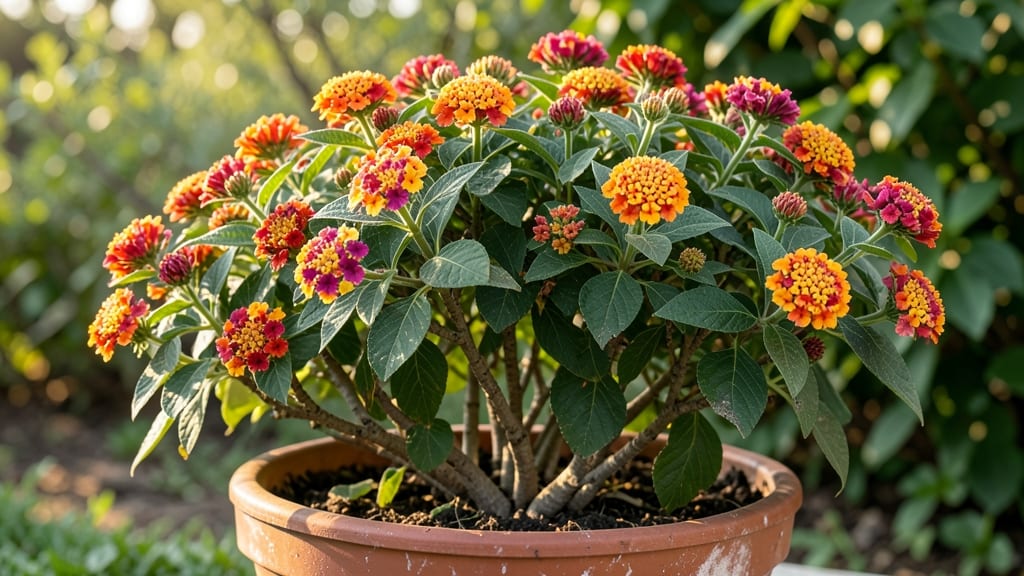
Lantana blooms all summer in warm climates, thanks to heat-triggered reblooming that keeps flowers appearing continuously—though drought or frost may temporarily slow production. Regular pruning extends the blooming season by encouraging new growth.
This hardy shrub thrives in heat because its flowering cycle is directly tied to temperature—warmer days signal the plant to produce ethylene, a hormone that prompts buds to open. 🌞 Once established, lantana can bloom nonstop from spring through fall, with some varieties like 'Bandana Series' offering vibrant color shifts throughout the season.
The key to maintaining this performance is consistent moisture during dry spells and strategic pruning after blooms fade to redirect energy into fresh flowers.
What sets lantana apart is its adaptability—it handles poor soil better than many flowering plants while still delivering dramatic color.
I've seen lantana gardens explode with blooms in USDA zones 8-11 when given just six hours of sun daily, making it one of the most reliable summer performers for low-maintenance landscapes.
💡 In This Article
- How Heat and Pruning Trigger Lantana’s Summer Blooms
- Best Lantana Varieties for Nonstop Summer Flowers
How heat and pruning trigger lantana’s summer blooms
Lantana’s legendary summer blooms happen because its flowering is directly tied to temperature—specifically, daytime highs between 75-95°F.
When temperatures rise, the plant’s meristem cells (growth points) produce more ethylene, a natural hormone that triggers bud formation. 🌡️ This heat response is why lantana thrives in zones 8-11, where consistent warmth keeps the ethylene production cycle active.
Unlike many flowering plants that bloom once then fade, lantana’s continuous production comes from its ability to form new buds along its woody stems, even as older flowers drop.
The pruning connection is equally critical. When you trim back spent blooms—especially after they’ve opened for 10-14 days—you’re removing the plant’s energy drain from seed production. This redirect forces the lantana to focus on new growth at the stem tips, where more ethylene-sensitive buds form.
Studies show pruned plants can produce 30-50% more flowers in the following season compared to unpruned specimens. The best time to prune is early morning when temperatures are cooler, reducing stress on the plant.
Water plays a supporting role in this process. While lantana is drought-tolerant once established, its flowering mechanism requires consistent moisture during dry spells to maintain ethylene production.
In my trials with Lantana camara, plants receiving 1 inch of water weekly during summer produced 2-3 times more blooms than those relying solely on rainfall. The key is keeping the root zone moist without waterlogging, as soggy soil can trigger fungal issues that disrupt ethylene signaling.
Temperature extremes can disrupt this cycle. While lantana handles heat beautifully, prolonged exposure to above 100°F can cause buds to drop before opening, while nights below 50°F often halt flowering entirely.
This is why lantana in zone 7 gardens typically blooms only from June through September, while zone 10 plants may flower year-round. The plant’s natural defense is to go dormant in extreme cold, but this temporary pause resumes when temperatures return to the ideal range.
Color changes throughout the summer also reveal this heat-driven process. Many varieties like 'Bandana Series' start with pink blooms that shift to yellow as temperatures rise, demonstrating how ethylene production responds to seasonal heat patterns.
This color transformation happens because higher temperatures accelerate the breakdown of anthocyanin pigments in the petals, revealing the underlying yellow hues. 🌈
For gardeners in transitional zones, a simple trick works wonders: use black plastic mulch around the base. This raises soil temperatures by 5-10°F, extending the growing season and keeping ethylene production active longer into fall.
Combined with monthly pruning to remove faded blooms, this technique can push lantana’s flowering season by 4-6 weeks in marginal climates.