
Blooming
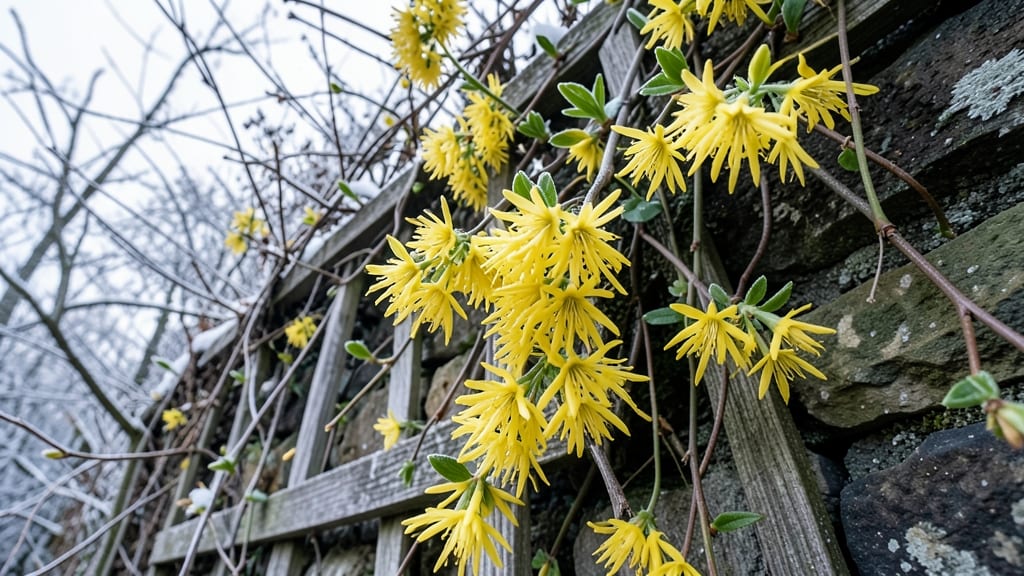
Winter gardens don’t have to be dull—these 10 cold-hardy plants defy seasonal expectations by thriving and blooming when most plants rest. Perfect for gardeners in zones 4-7, they add vibrant color, fragrance, and structure to winter landscapes.
Hellebore Winter Rose: Evergreen Perennial with Delicate Blooms
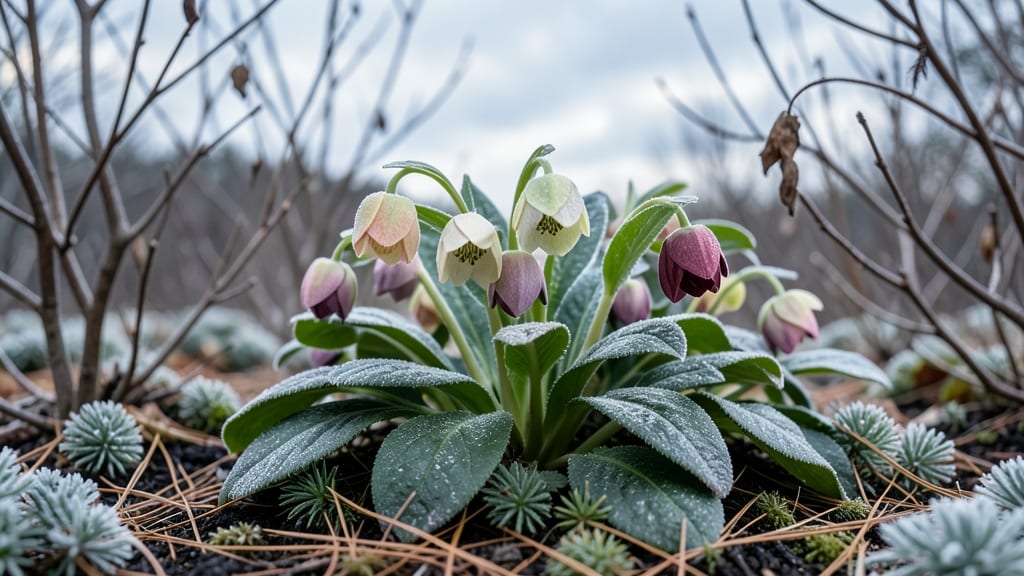
When most gardens lie dormant under winter’s chill, hellebores—also called winter roses—burst into bloom with their delicate, nodding flowers. These evergreen perennials are nature’s early risers, often flowering from late January through March, and they thrive where others falter.
Perfect for shady spots, hellebores tolerate everything from woodland gardens to urban borders with ease. Their dark green, leathery leaves stay attractive year-round, while blooms in shades of white, pink, purple, or green last 3-6 weeks—longer than most spring flowers. Plant them in well-draining soil and water occasionally; they’re drought-tolerant once established. Deer and rabbits usually avoid them, making them a hassle-free choice.
Ideal for gardeners who want low-maintenance color, hellebores are especially rewarding for those with shady yards or small spaces. Their unique blooms add a touch of elegance even when winter refuses to let go. 🌱
Winter Jasmine: Fragrant Climbing Vine with Golden Flowers
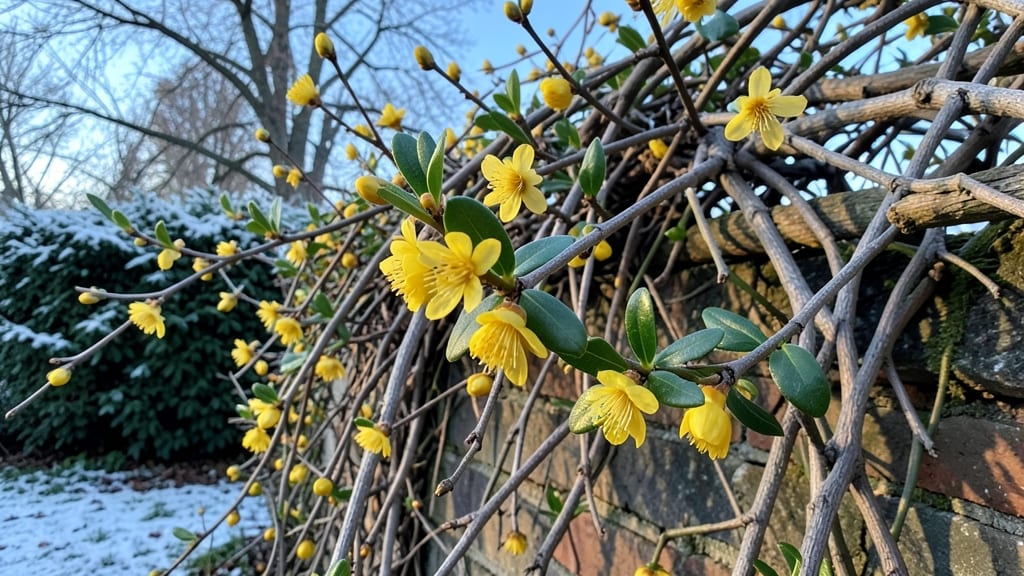
Looking for a fast-growing vine that refuses to surrender to winter’s chill? Winter jasmine (Jasminum nudiflorum) bursts into cheerful golden-yellow blooms even when temperatures dip below freezing—making it a standout star in cold-weather gardens.
This hardy climber thrives in full sun and tolerates zones 5-9, producing fragrant flowers from late winter through early spring. Plant it against a trellis, fence, or arbors for a cascading display, or let it sprawl as ground cover in sunny beds. Prune in early spring to encourage dense growth and more blooms.
Perfect for urban gardeners with limited space or those seeking a low-maintenance way to brighten up winter landscapes, winter jasmine delivers instant cheer with minimal effort. 🌻
Snowdrops: Tiny White Flowers That Poke Through Snow
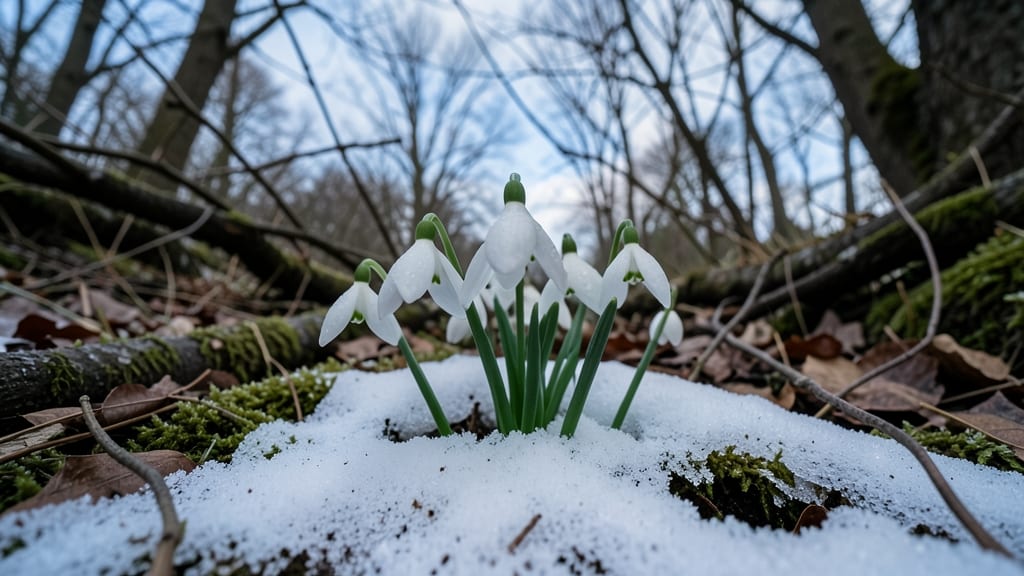
When winter feels endless, snowdrops arrive like tiny white messengers, announcing spring’s arrival before the snow has even melted. These delicate blooms thrive in the coldest months, often pushing through snow-covered ground to reveal their cheerful faces.
Plant them in shady, moist areas where they’ll naturalize effortlessly over time, spreading to create lush carpets of early blooms. Their low-maintenance nature makes them perfect for cottage gardens, woodland edges, or under deciduous trees—where they’ll return year after year with minimal care. Just ensure well-draining soil and partial shade to keep them happy.
These hardy perennials are ideal for gardeners who love symbolic beauty and want to extend their garden’s season. Even urban gardeners with small spaces can grow them in containers or along shady pathways. 🌱
Winter Aconite: Bright Yellow Blooms in Containers or Borders
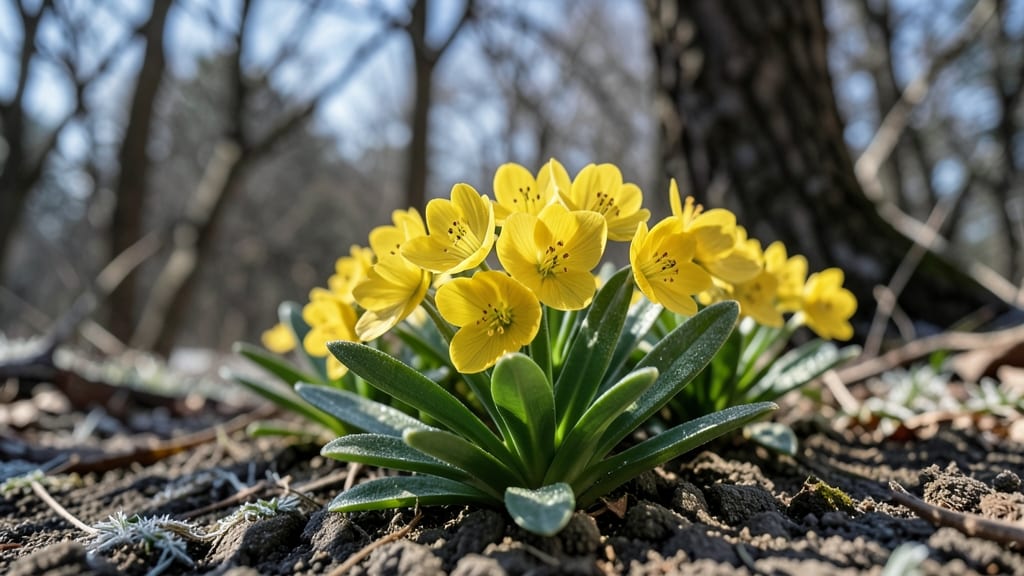
When winter shadows stretch long and dark corners feel dreary, winter aconite (Eranthis hyemalis) bursts onto the scene with its sunny yellow blooms—often appearing before snowdrops in late winter. This compact perennial thrives in partial shade, making it ideal for urban gardens, rockeries, or even small containers where space is limited.
Unlike its spring-blooming cousins, winter aconite spreads easily from seed and tolerates temperatures as low as -20°F, ensuring reliable color year after year. Its dark green, glossy foliage contrasts beautifully with the bright flowers, and it blooms for 4-6 weeks, providing early pollinator support. For containers, pair it with heuchera or cyclamen for a layered winter display.
Perfect for beginner gardeners or those with limited space, winter aconite requires minimal care—just well-draining soil and occasional division to control its spreading habit. Plant it in late summer or fall for the best winter show. 🌱
Cyclamen: Unique Upside-Down Flowers for Shady Gardens
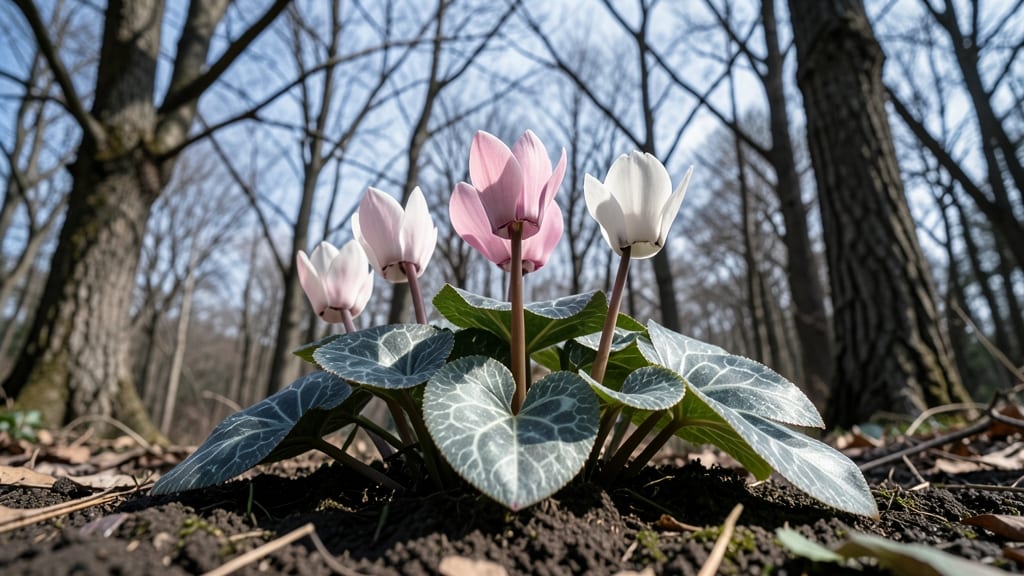
Looking for a winter bloomer that thrives where others fade? Cyclamen brings delicate charm to shady spots with its upside-down pink or white flowers and silvery-marked heart-shaped leaves. Unlike sun-loving plants, this woodland gem flourishes in partial shade, making it ideal for under trees or north-facing containers.
Plant cyclamen tubers in well-draining soil during fall for winter blooms that last through early spring. The secret to success? Keep soil consistently moist but not soggy—these plants hate wet feet. For container gardens, pair them with ferns or heuchera to create a lush, textured display that brightens dark corners.
Perfect for beginners and urban gardeners with limited sun, cyclamen adds a touch of elegance without demanding full sun or high maintenance. Its fragrant blooms and glossy foliage make it a standout in winter containers. 🌷
Christmas Rose: Large White Blooms with Evergreen Foliage
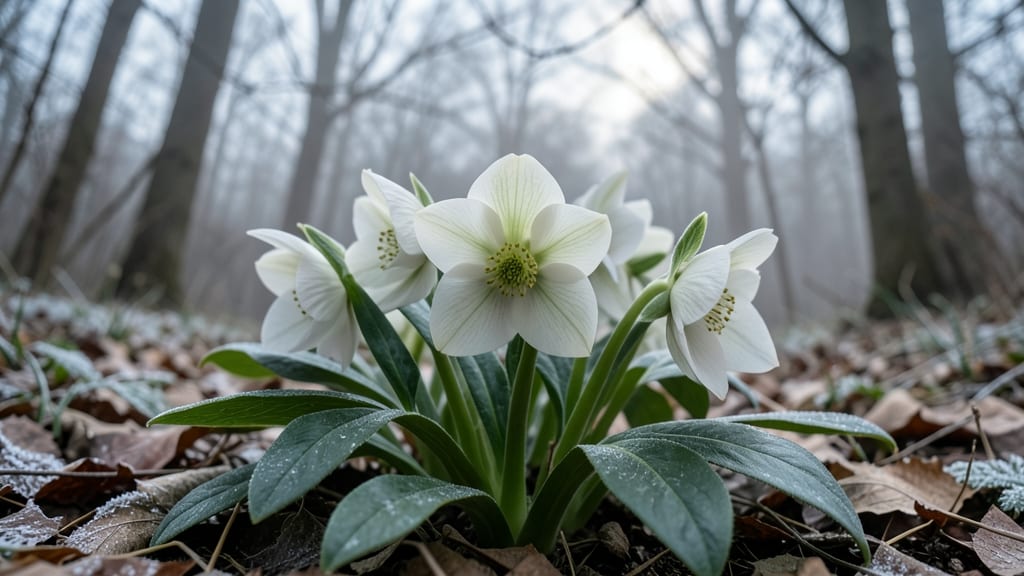
When most gardens lie dormant under winter’s chill, the Christmas rose (Helleborus niger) emerges as a stunning exception with its large, waxy white blooms and glossy evergreen foliage. This elegant perennial thrives in partial shade, making it perfect for shady borders, woodland gardens, or as a dramatic focal point near pathways.
Unlike other winter bloomers, the Christmas rose’s cup-shaped flowers appear in late fall and persist through winter, often dusted with frost for a magical effect. Plant it in well-draining, slightly alkaline soil and water sparingly—its deep roots make it drought-tolerant once established. The evergreen leaves provide year-round structure, while the flowers attract early pollinators like bees.
Ideal for gardeners seeking low-maintenance sophistication, this plant pairs beautifully with hellebores or winter jasmine. Its timeless elegance makes it a favorite for cottage-style gardens and formal landscapes alike. 🌷
Pansies: Cold-Resistant Annuals with Bold Winter Colors
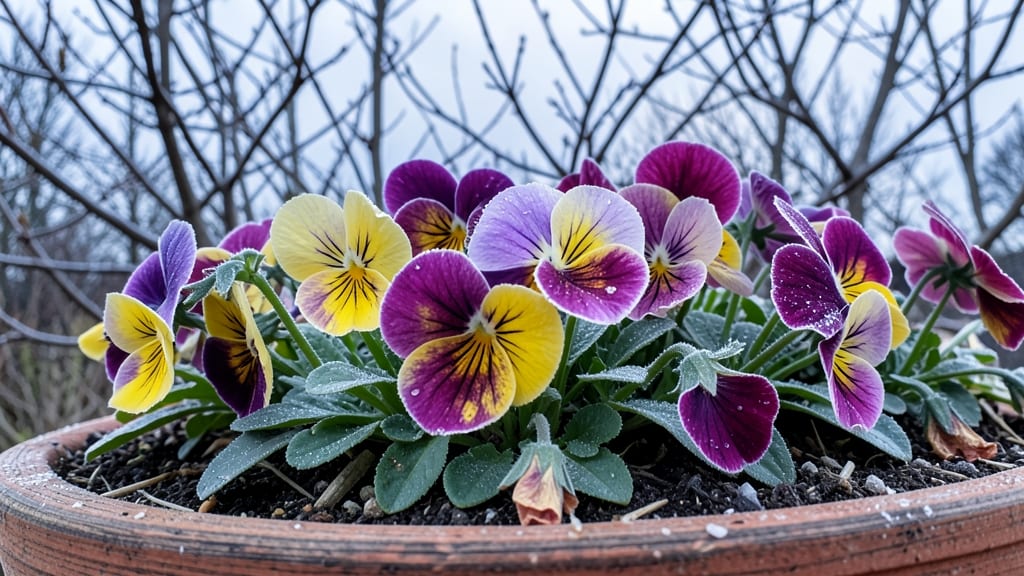
Tired of winter gardens looking dull? Pansies prove that cold weather doesn’t mean colorless landscapes—these cheerful annuals thrive in light frost and bloom from early fall through late spring. Their edible petals add a peppery flavor to winter salads, while their vibrant hues create stunning ground cover in garden beds.
Plant pansies in full sun to partial shade and choose varieties like 'Cool Wave' or 'Matrix' for frost tolerance down to 20°F. Deadhead spent blooms to encourage continuous flowering, and fertilize lightly every 4-6 weeks for lush growth. They’re perfect for containers, window boxes, or edging paths—adding both beauty and a harvestable bonus.
Urban gardeners and beginners will love pansies for their low-maintenance nature and quick impact. They’re the ultimate dual-purpose plant: colorful ornamental and tasty culinary all in one. 🌷
Winter Daphnes: Fragrant Pink or White Clusters for Scented Gardens
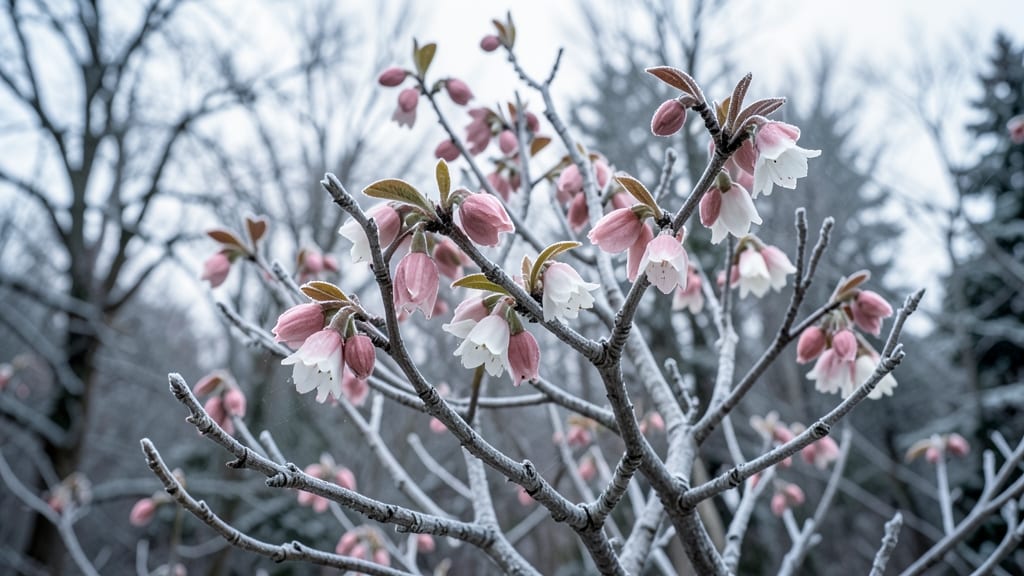
If you crave a fragrant winter garden that feels like a secret sanctuary, winter daphnes are your answer. These slow-growing but long-lived shrubs burst into clusters of pink or white flowers in late winter, filling the air with a sweet, intoxicating scent that rivals spring’s best. Unlike fleeting annuals, they return year after year with minimal fuss.
Thriving in partial shade to full sun, winter daphnes prefer well-draining soil and are happiest in zones 5-8. Their glossy, evergreen leaves stay attractive all season, while the fragrant blooms appear on bare branches, creating a striking contrast. Prune lightly after flowering to maintain shape, but avoid heavy pruning—these shrubs reward patience with decades of blooms. For best results, plant them in small gardens, shrub borders, or containers where their compact size (3-5 feet tall) shines.
Perfect for gardeners who love scented gardens or want a low-maintenance focal point, winter daphnes are especially magical in urban spaces or near patios where you can enjoy their fragrance up close. Their late-winter blooms arrive just as other plants are still dormant, making them a standout star in any winter landscape. 💚
Ornamental Cabbage and Kale: Edible Winter Accents with Bold Colors
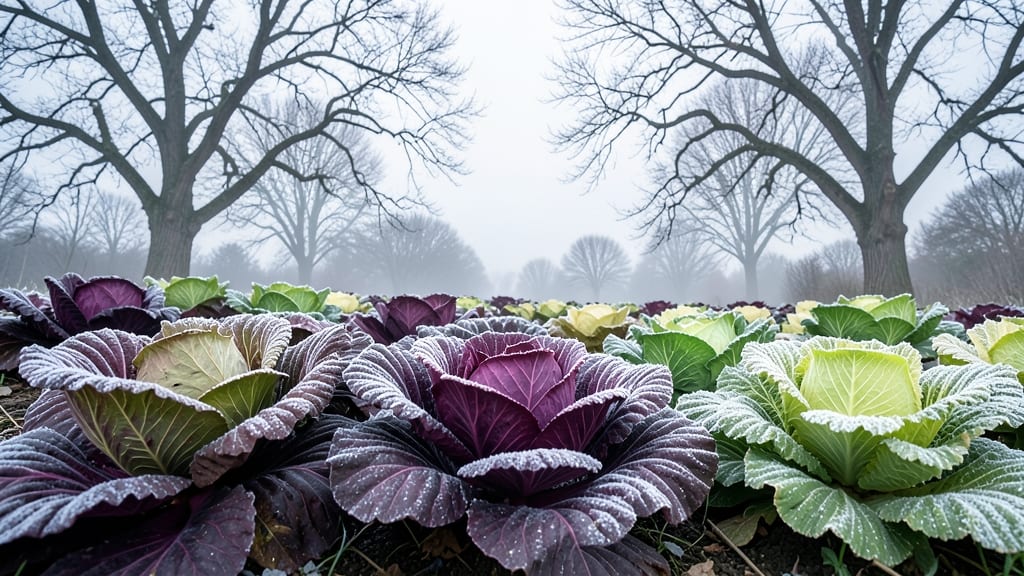
Skip the brown winter borders—ornamental cabbage and kale transform chilly gardens into vibrant canvases with their bold, frost-kissed foliage. Unlike their edible cousins, these varieties prioritize visual drama with colors ranging from deep purple and burgundy to lime green and cream, standing out against snow or evergreens.
These cold-hardy annuals thrive in full sun to partial shade and tolerate light frosts, making them perfect for late-summer planting (8-10 weeks before first frost) or early fall. Their ruffled, cabbage-like leaves hold their color for months, and you can cut stems for arrangements or harvest young leaves for cooking. For borders, space plants 12-18 inches apart—they’ll fill gaps beautifully until spring.
Ideal for beginner gardeners or those with limited space, these plants require minimal care beyond occasional watering. Their dual-purpose nature (edible and ornamental) makes them a smart choice for urban gardens, containers, or as striking accents in mixed beds. 🌷
Winter Honeysuckle: Climbing Vine with Star-Shaped Yellow Flowers

If you're craving a fast-growing vine that refuses to surrender to winter’s chill, winter honeysuckle (Lonicera fragrantissima) is your answer. Unlike its summer-blooming cousins, this hardy climber bursts into fragrant, star-shaped yellow flowers as early as December, often before the snow melts completely.
Thriving in zones 4-8, winter honeysuckle tolerates cold snaps down to -20°F, making it perfect for northern gardens. Plant it near trellises, arbors, or fences where its semi-evergreen foliage and delicate blooms can create a living screen. The fragrant flowers attract early pollinators like bees, giving your garden a head start on spring activity. Prune lightly after flowering to maintain shape and encourage bushier growth.
Ideal for gardeners in cold climates who want low-maintenance vertical interest, winter honeysuckle pairs beautifully with evergreens or early-blooming shrubs. Its bright yellow blooms provide a striking contrast against winter’s muted palette, making it a standout for both functional and aesthetic appeal. 🌟