
Blooming
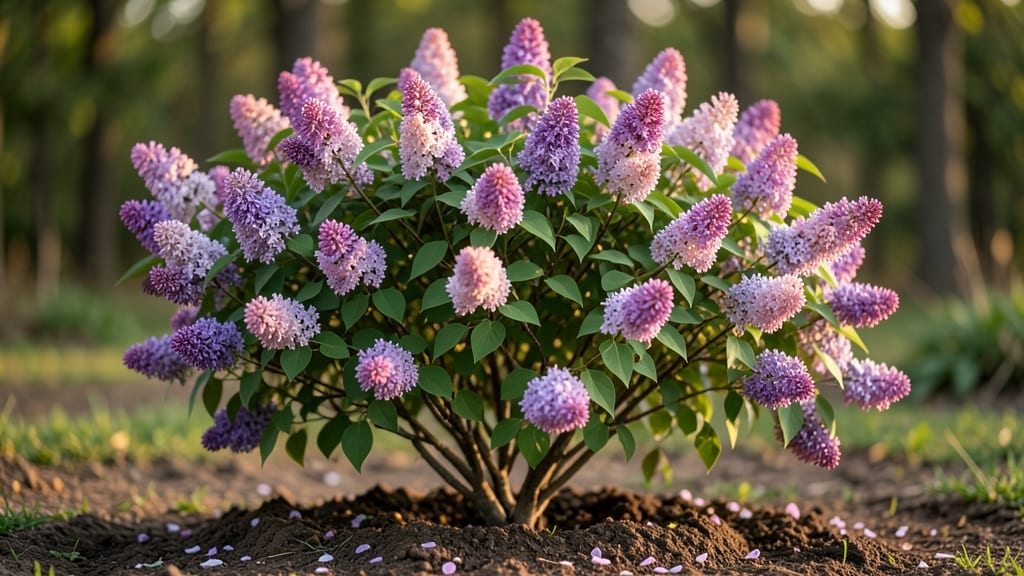
Lilacs typically do not bloom all summer—most varieties produce a single springtime burst of flowers, though certain reblooming types like 'Bloomerang' or 'Edith' may yield occasional summer blooms with proper care and conditions.
Most lilacs follow a strict seasonal cycle because they allocate energy to leaf growth and root development after their spring bloom. 🌸 The timing of blooms is tied to seasonal temperature shifts, with many varieties requiring a period of winter chill to reset their flowering cycle.
Even reblooming types need consistent moisture and balanced fertilization to encourage sporadic summer blooms—think of it like giving your plants a second chance to shine.
What sets reblooming lilacs apart is their ability to produce secondary flowers, but don't expect a full summer display. These cultivars often bloom in late spring and again in early summer, with each flush being smaller than the first.
Proper pruning after each bloom helps redirect energy toward new growth rather than seed production, which can drain a plant's resources.
💡 In This Article
- Why Most Lilacs Bloom Only Once Per Year
- Top Reblooming Lilac Varieties for Extended Summer Color
Why most lilacs bloom only once per year
Lilacs follow a strict seasonal rhythm because their energy budget is tightly linked to survival strategies. After their spring bloom, these deciduous shrubs prioritize leaf growth and root expansion to store nutrients for next year.
This shift happens because lilacs are perennial woody plants, meaning they must balance reproduction with long-term growth—unlike annuals that bloom once and die. The first flush of flowers in late spring (typically April-May) uses up to 40% of the plant's stored energy reserves, leaving little for summer blooms.
The timing of blooms is controlled by photoperiodism and chill hours. Most lilacs need 500-1,000 hours below 45°F during winter to trigger flower buds. Once temperatures rise above 75°F for prolonged periods, the plant shifts into vegetative mode—growing leaves and stems instead.
This biological clock explains why even healthy lilacs rarely produce summer flowers naturally. Pruning at the wrong time (after buds form but before blooming) can also disrupt this cycle by removing next year's flower buds hidden in the leaf axils.
Think of lilacs like athletes preparing for a single championship season—they train all winter (chill hours), compete in spring (blooming), then recover for next year.
The energy trade-off becomes clear when you compare them to reblooming varieties: while standard lilacs allocate resources to seed production after blooming, rebloomers like 'Bloomerang' redirect some energy toward secondary flowers by producing smaller, less resource-intensive blooms. This requires precise genetic programming and careful gardening practices.
Climate plays a surprising role too. Lilacs in USDA Zones 3-7 typically bloom once because their natural range includes cold winters. In warmer climates (Zones 8+), some varieties may produce sporadic summer blooms, but the flowers often lack the fragrance and vigor of spring blooms.
This happens because heat stress reduces photosynthesis efficiency, limiting the plant's ability to support additional flowering cycles. Even with ideal care, most lilacs can't sustain continuous blooming—they simply don't have the biological capacity.
Here's what happens when you try to force summer blooms on a standard lilac: the plant may produce a few weak flowers, but they'll often drop quickly due to bud abortion—a survival mechanism where the plant prioritizes root and stem growth over reproduction when conditions aren't optimal.
This explains why gardeners see lilacs with half-formed buds that never open, even with perfect care. The plant's priorities are hardwired for seasonal survival, not continuous display.
The exception proves the rule: reblooming lilacs achieve their second flush through selective breeding that modifies these natural priorities. By cross-pollinating varieties with different flowering triggers, horticulturists created cultivars that can produce secondary blooms—but even these require specific conditions to perform.
Understanding this biological limitation helps gardeners set realistic expectations and focus on creating optimal growing conditions for whatever blooms do occur.