
Blooming
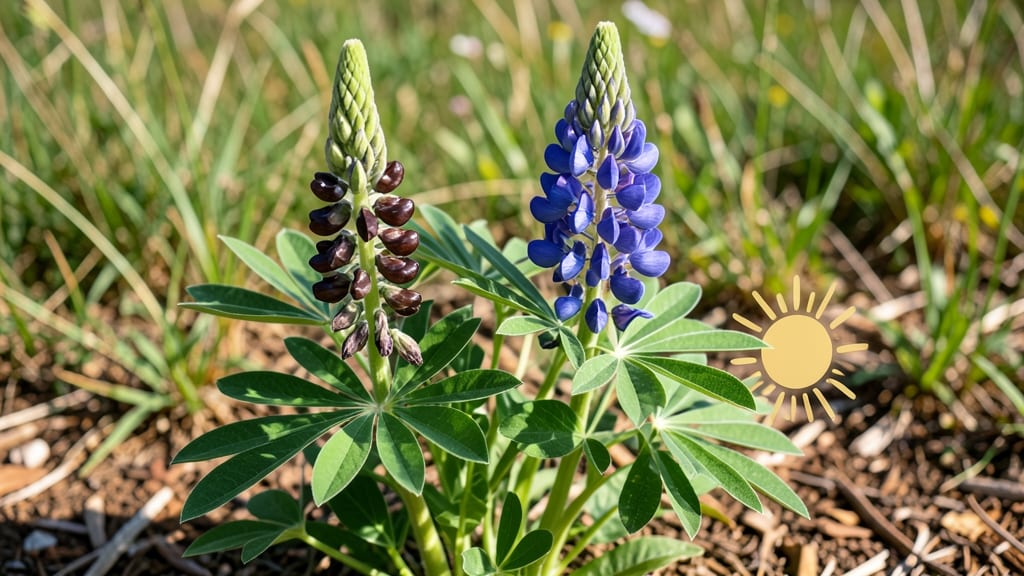
Lupines do bloom every year as perennials in most climates, though their first-year flowers may be sparse. With proper care—well-drained soil, full sun exposure, and minimal disturbance—they reliably rebloom annually, often producing striking flower spikes in spring or early summer. Cold-hardy varieties thrive in zones 3-9 but may die back during extreme heat or drought.
Lupines earn their reputation as reliable perennials thanks to their deep taproot systems, which store nutrients and energy underground during winter dormancy. 🌱 This built-in survival mechanism allows them to bounce back stronger each year, especially when given the right conditions—like well-draining soil and consistent moisture.
Many gardeners notice their lupines produce even more dramatic blooms after the first year as the roots establish themselves more fully. The key is avoiding overwatering or disturbing the roots, which can disrupt their natural cycle.
What sets lupines apart from true annuals is their ability to self-seed and spread naturally, though they often bloom more modestly in their first season. For maximum impact, I recommend dividing mature clumps every 3-4 years to prevent overcrowding, which can reduce flower production.
The right care turns these plants into long-term garden stars with minimal effort.
💡 In This Article
- Why Lupines Rebound as Perennials
- Maximizing Lupine Blooms Year After Year
Why lupines rebound as perennials
The secret behind lupines' annual reblooming lies in their powerful taproot system, which can extend 3-5 feet deep into the soil. This root structure stores carbohydrates and nutrients during dormancy, acting like a natural energy reserve.
Unlike annuals that complete their lifecycle in one season, lupines use these stored resources to regrow leaves and flowers each spring, often producing taller, more abundant blooms after the first year as their roots mature. 🌱
Lupines also exhibit seed dormancy, a survival mechanism where seeds remain viable in the soil for years before germinating. This explains why established plants often self-seed prolifically—some seeds may lie dormant for 3-5 years before sprouting, creating new plants that eventually contribute to the garden's lupine population.
The combination of deep roots and seed dormancy gives lupines their perennial reliability, though their first-year blooms tend to be modest as the plant focuses on root development.
Climate plays a crucial role in their reblooming cycles. Lupines thrive in zones 3-9 but enter dormancy in winter, with some varieties even dying back to the ground in colder climates. The key is their ability to regenerate from the root crown in spring, provided the soil isn't waterlogged.
In hotter zones (8-9), lupines may go dormant during summer heat, only to rebound with late summer or fall blooms—a phenomenon called "summer dormancy" that's common in Mediterranean climates.
What sets lupines apart from true annuals is their photosynthetic efficiency. Their compound leaves capture sunlight exceptionally well, allowing them to produce energy even in cooler temperatures. This trait, combined with their deep roots, lets lupines outcompete weeds while maintaining steady growth.
However, their blooming intensity can decline if roots become overcrowded or if the plant doesn't get enough sunlight—both factors that disrupt their natural energy storage process. ✨
For gardeners in zones 4-7**, where winters are harsh, lupines develop a woody base that acts as insulation against freezing temperatures. This adaptation explains why they often survive winters that would kill shallower-rooted perennials. The trade-off? Their first-year growth may be slower as they establish this protective structure.
In milder climates (zones 8-9), lupines may bloom continuously if given consistent moisture, though they'll still need a brief rest period during peak summer heat.
One fascinating botanical detail is how lupines' nitrogen-fixing bacteria in their roots actually improve soil fertility over time. This symbiotic relationship means established lupines not only survive but enhance their growing conditions year after year—a natural advantage that contributes to their long-term success in gardens.
The result? A self-sustaining plant that rewards patience with increasingly spectacular displays. 💫