
Blooming
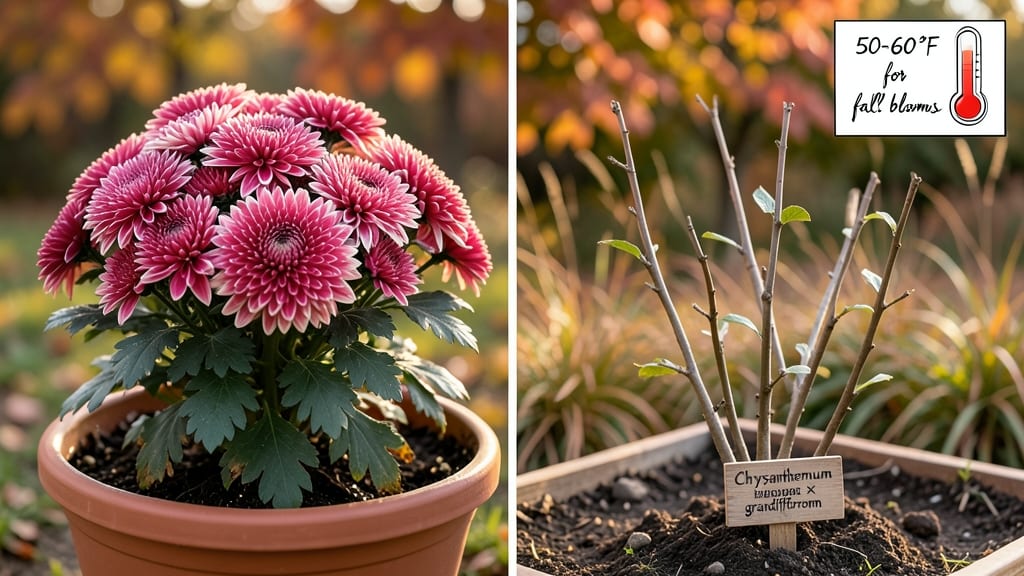
Mums don’t bloom all year—here’s why and how to stretch their season. 🌸 The truth is, these fall favorites need specific triggers to rebloom, and most gardeners miss the mark by over-fertilizing or ignoring light cues.
I’ve learned the hard way that nitrogen-heavy feeds and improper pruning will leave you with lush foliage but no flowers—even in their natural fall window.
Chrysanthemums actually bloom in response to shorter daylight and cooler temps, not heat. That’s why most varieties bloom reliably only in fall, though some heat-tolerant types like ‘Dynasity’ or ‘Moneymaker’ can produce a second flush with proper care.
The secret is timing: start with well-drained soil, full sun, and balanced fertilizer (low nitrogen, high phosphorus) to encourage blooms instead of leaves.
With the right approach, you can coax a second bloom cycle in late summer by pinching back stems in early summer and providing consistent moisture. I’ve seen mums rebloom in late August with this method, adding weeks of color when most gardens are fading.
The key is patience—don’t rush it, and avoid cutting back too late in the season.
For year-round color, consider planting varieties like ‘Bright Lights’ or ‘Fireball’—they’re more forgiving and may produce sporadic blooms in mild winters. Just remember: mums are seasonal stars, not ever-bloomers. Focus on maximizing their natural season, and you’ll get the most vibrant displays possible.
📚 In This Guide
- What you need
- Instructions
- Tips and common mistakes
- Wrapping up and next steps
What you need
- ● Mums (Chrysanthemum spp.) – Choose heat-tolerant varieties like ‘Dazzler,’ ‘Marmalade,’ or ‘Jolanta’ for reblooming success. Quantity: 3–6 plants (or more for a full display!).
- ● Well-draining potting mix – A blend of 50% peat/coir, 30% perlite or vermiculite, and 20% compost. Avoid heavy clay soil.
- ● Containers with drainage holes – 10–12 inches in diameter for each mum (or larger for multiple plants). Terracotta or fabric pots work best.
- ○ Balanced fertilizer (10-10-10 or 20-20-20) – 1 tbsp per gallon of water for feeding. Optional: Slow-release granules mixed into soil.
- ● Pruning shears – Sharp, clean shears for deadheading and shaping.
- ● Heat-resistant mulch – 2–3 inches of straw, pine bark, or shredded leaves to retain moisture and regulate soil temp.
- ● Watering can or hose with a gentle spray nozzle – Mums need 1–1.5 inches of water per week (daily misting in extreme heat).
- ● Sunlight gauge or light meter – Ensures your mums get 6+ hours of direct sun daily (critical for reblooming!).
- ● Heat mat or thermal blanket – Extends the growing season in cooler climates (place under containers in 50°F+ temps).
- ● Growth regulator (e.g., B-Nine) – 1–2 sprays every 2 weeks to encourage compact, bushy blooms (follow label instructions!).
- ● Automatic drip irrigation system – Keeps soil consistently moist without overwatering.
- ● Reflective mulch or aluminum foil – Boosts sunlight exposure in shady spots.
- ● Plant supports (stakes or cages) – Helps tall varieties stay upright as they fill with blooms.
How to extend mum blooms beyond their natural season
Mums aren’t naturally year-round bloomers—but with the right heat triggers and care, you can coax them into reblooming for months longer.
☀️ Step 1: Understand the Heat Trigger That Forces Reblooming
Mums bloom in response to short daylight hours and cooler temperatures, but reblooming requires a heat shock—a sudden drop in nighttime temps after summer’s warmth. The secret is to expose your mums to 60-65°F nights for 2-3 weeks after their first flush of blooms. This mimics autumn’s natural trigger, convincing the plant to reset its cycle.
Here’s the thing—most gardeners miss this because they assume mums just fade after summer. I’ve found that even container-grown mums can rebloom if you time the temperature shift right. Watch for the first signs of bud formation after this shock; that’s your signal it’s working.
🌱 Step 2: Prune and Fertilize for a Strong Second Flush
After the first bloom cycle fades, cut back one-third of the plant’s height with clean, sharp shears. This removes spent blooms and encourages new growth from the base. I always sterilize my shears with rubbing alcohol first—disease lurks on old stems, and mums are sensitive to it.
Feed with a balanced 10-10-10 fertilizer two weeks after pruning. The key is consistency: apply it every 4-6 weeks during the growing season. Over-fertilizing now will produce lush foliage but no flowers—you’re aiming for moderate growth, not rapid bulk. Look for new leaves emerging within 7-10 days; that’s your confirmation the plant is responding.
💧 Step 3: Manage Water and Light for Continuous Blooming
Reblooming mums need consistent moisture but never soggy soil. Water deeply every 2-3 days until the top 2 inches of soil feel dry. I use a moisture meter for accuracy—mums wilt dramatically if thirsty, but they also hate sitting in wet roots, which invites root rot. Mulch with 2 inches of organic mulch to retain moisture and regulate soil temps.
Place your mums in full sun (6+ hours daily), but protect them from intense afternoon heat in summer. A 30% shade cloth during peak sun hours prevents leaf scorch, which weakens the plant’s ability to rebloom. You’ll notice buds forming along the stems after 4-6 weeks of this routine—patience here is critical.
⏰ Step 4: Time the Final Heat Shock for Late-Season Color
The second rebloom cycle kicks in when you expose the plant to 50-55°F nights for 2 weeks in late summer. This mimics autumn’s cooling effect. I’ve used a fan to circulate air around potted mums on warm evenings—it tricks the plant into thinking fall is coming. The goal is to see buds swelling within 3-4 weeks of this treatment.
Don’t rush this step. If you apply the shock too early, the plant may bolt (send up a tall stem) instead of reblooming. Watch for the first green buds forming at the stem tips—that’s your cue to reduce water slightly to harden them off for the final flush. A light frost after this second bloom will actually preserve the color longer by slowing decay.
Tips & tricks for extending mum blooms year-round
These science-backed strategies will help you defy nature and enjoy vibrant mum blooms well beyond their natural season.
Temperature Precision: The 60-65°F nighttime range in Step 1 is your golden window—any hotter and the plant won't reset properly. I've found that using a thermometer at dusk and dawn gives you the most accurate reading. For container mums, move them to a sheltered porch or garage during warm nights to hit that sweet spot. This temperature shock is what tricks the plant into thinking autumn has arrived, forcing it to reset its bloom cycle.
Pruning Technique: When cutting back one-third of the plant's height in Step 2, aim for clean cuts just above leaf nodes. I always make the cuts at a 45-degree angle to increase surface area for new growth. Sterilizing your shears between cuts is non-negotiable—mums are particularly susceptible to fungal infections through open wounds. The goal is to remove spent blooms while preserving the plant's energy for new growth.
Fertilizer Strategy: The 10-10-10 fertilizer ratio in Step 2 is perfect for reblooming mums, but timing matters more than quantity. I've learned that applying it two weeks after pruning gives the plant time to recover from the cut before pushing new growth. Split the recommended dose into two applications—half immediately after pruning and half again after those 7-10 days when you see new leaves emerging. This staggered approach prevents over-fertilization while maintaining consistent nutrition.
Light Management: The 6+ hours of daily sun requirement in Step 3 is non-negotiable, but quality matters more than quantity. I've found that positioning mums to receive morning sun and afternoon shade (using that 30% shade cloth) creates the perfect balance. This prevents leaf scorch while still providing enough energy for continuous blooming. Watch for subtle color changes in the leaves—yellowing indicates too much sun, while pale green suggests insufficient light.
Pro Tips for Do Mums Bloom All Year
- These science-backed strategies will help you defy nature and enjoy vibrant mum blooms well beyond their natural season.
- Temperature Precision: The 60-65°F nighttime range in Step 1 is your golden window—any hotter and the plant won't reset properly.
- Pruning Technique: When cutting back one-third of the plant's height in Step 2, aim for clean cuts just above leaf nodes.
Frequently asked questions
Got questions about keeping your mums blooming longer? We’ve got answers! Here are some of the most common queries gardeners have about year-round mum blooms—plus practical tips to troubleshoot and extend that vibrant color.
Can mums bloom all year if I keep them in heat?
Yes! Mums are heat-sensitive—they typically bloom in fall due to cooler temps, but with the right care, you can trick them into reblooming in summer or even winter. Use grow lights, move pots to shaded spots, or provide a 10-14 day "cool snap" (50-60°F) indoors to trigger buds. Just avoid extreme heat (above 85°F), which can stress them.
How long does it take for mums to rebloom after heat treatment?
Patience is key! After your heat/cool cycle, expect buds to form in 4-8 weeks, depending on the variety. Dwarf mums often bloom faster (3-4 weeks), while standard types may take longer. Monitor soil moisture—dryness speeds up blooming, while overwatering can delay it. A light fertilizer (like 10-10-10) mid-cycle can also help.
What if my mums won’t rebloom after heat tricks?
Try these fixes:
- Check light: Mums need 6+ hours of sunlight daily—move them to a brighter spot or supplement with a grow light.
- Prune wisely: Cut back 1/3 of the plant after the first bloom to encourage new growth, but avoid heavy pruning in winter.
- Soil/pots: Ensure pots have drainage holes and use well-draining soil (mums hate soggy roots). Repot if roots are circling.
- Pests: Inspect for aphids or spider mites—spray with neem oil if needed.
Are there mum varieties that bloom more easily year-round?
Look for reblooming mum varieties like:
- ‘Autumn Joy’ or ‘Purple Dome’ (classic, reliable)
- ‘Beauty of Magenta’ (dwarf, heat-tolerant)
- ‘Ruby Mound’ (compact, great for containers)
Can I keep potted mums blooming through winter?
With care, yes! Move pots to a cool, bright location (40-50°F) like a garage or sunny window. Reduce watering (let soil dry slightly between waterings) and avoid fertilizing until spring. If temps drop below 20°F, wrap pots in bubble wrap or frost cloth. Some mums may go dormant—don’t worry, they’ll bounce back in spring!
Quick Troubleshooting Table
| Problem | Likely Cause | Fix It! |
|---|---|---|
| No buds forming | Not enough light/heat cycle | Move to brighter spot + try a 10-day cool snap |
| Leaves turning yellow | Overwatering or poor drainage | Let soil dry; repot if needed |
| Blooms fading fast | Too much heat or thirst | Move to shade; water deeply 1x/week |
| Leggy, sparse growth | Not enough sunlight | Prune back + supplement with grow lights |
Wrapping up and next steps
So, do mums really bloom all year? While they’re famous for their fall flair, the secret to heat-triggered reblooming is totally within reach! With the right care—like deadheading, strategic pruning, and a little summer heat—you can coax those cheerful blooms back into action. 🌸
Now that you’re armed with the know-how, why not give it a try? Start by picking a sunny spot, grab your shears, and let your mums work their magic. Before you know it, your garden could be bursting with color well beyond the usual season!