
Blooming
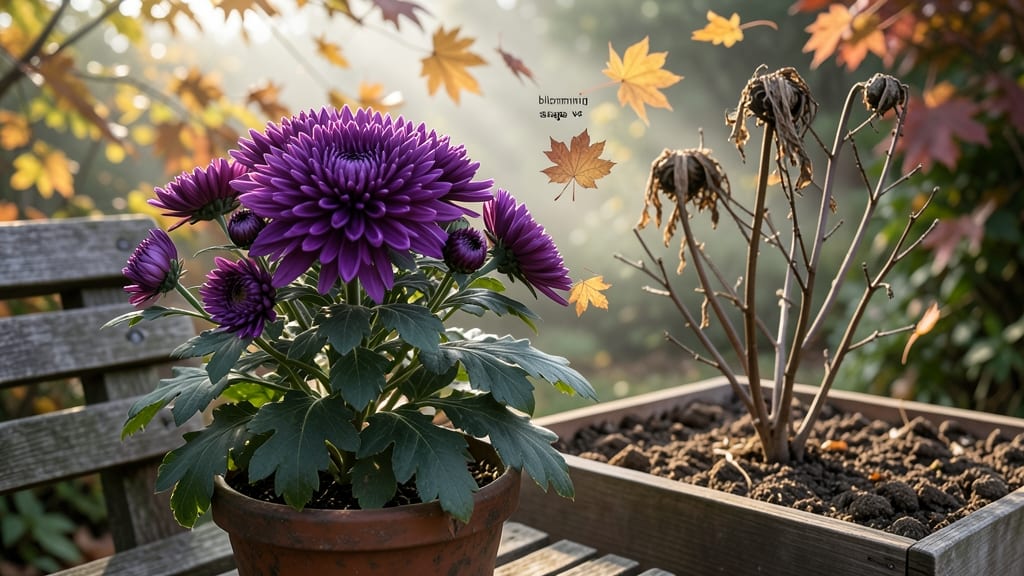
Mums bloom every year only when planted as perennials in USDA zones 5-9, where they survive winter dormancy and regrow with proper care. In colder regions or when grown as annuals, they typically flower just once before dying back, requiring new plants for seasonal color.
This annual blooming behavior comes down to two key factors: hardiness zone and cultivar type.
Perennial mums in zones 5-9 enter winter dormancy, then regenerate from their root systems when temperatures rise—think of them as garden survivors. 🌱 However, many gardeners in colder areas treat mums as annuals because the plants can't withstand freezing temperatures, leading to that single-season bloom cycle.
Even in warmer climates, some varieties only flower once unless you choose reblooming types specifically bred for multiple cycles.
The good news is that with the right pruning and fertilization timing, you can coax even non-reblooming varieties to produce a second flush of flowers.
The secret lies in understanding their light needs—mums require 10-12 hours of daylight to trigger blooming, which is why late summer planting often yields better results than spring planting in many regions.
💡 In This Article
- Why Mum Flowering Cycles Vary by Climate and Care
- How to Encourage Year-Round Mum Blooms in Your Garden
Why mum flowering cycles vary by climate and care
Mums (chrysanthemums) are photoperiod-sensitive plants, meaning their blooming cycles are triggered by daylight length rather than temperature alone. In their native Asia, they experience 12-14 hours of daylight in autumn, which signals the plant to produce flowers.
When grown in USDA zones 5-9, perennial mums enter winter dormancy—roots survive underground while above-ground growth dies back. This natural process allows them to regenerate in spring, producing fresh blooms each year when temperatures rise above 50°F consistently.
The key difference between perennial and annual mum behavior lies in their cold hardiness. Perennial varieties (like 'Mammoth' or 'Bonanza') can tolerate -15°F to -20°F when properly mulched, while annuals (often garden-center mums) lack this resilience.
Annuals focus all energy on one blooming cycle, then decline—similar to how a 12-week chrysanthemum plant in a pot will flower spectacularly but not survive winter. Even in zone 9, some mums won't rebloom unless you prune aggressively to encourage new growth after the first flush.
Light exposure creates another critical variable. Mums need full sun (6-8 hours daily) to bloom well, but too much summer heat can stress them. In hot climates, afternoon shade helps prevent leaf scorch while maintaining the 10-12 hour daylight trigger needed for reblooming.
The trade-off? Partial shade can delay flowering by 2-3 weeks as the plant adjusts. This is why northern gardeners often see more reliable annual blooms—cooler summers preserve the plant's energy for flowering rather than leaf production.
Here's what's actually happening at the cellular level: When daylight shortens, the plant's meristem cells (growth points) differentiate into flower buds instead of leaves. This process requires vernalization (cold treatment) in some varieties to "reset" their biological clock after summer.
Without this cold snap, many mums will produce only foliage. That's why zone 10 gardeners often need to chill potted mums for 4-6 weeks at 40°F before planting to trigger blooming.
Consider these key factors when choosing mum varieties:
- Reblooming types: Varieties like 'Dynasity' or 'Bright Lights' produce multiple flushes if deadheaded regularly
- Hardiness ratings: Zone 5-7 mums need 3-4 inches of mulch to protect roots from freeze-thaw cycles
- Planting time: Fall planting (6-8 weeks before first frost) gives roots time to establish before winter
The most reliable annual bloomers come from disbudded seedlings (plants grown from single stems rather than clustered growth). These focus all energy on one spectacular bloom cycle, while reblooming types spread their effort across multiple smaller flowers.
The choice depends on whether you prioritize one showstopper display or extended seasonal color.
What most gardeners don't realize is that even perennial mums in ideal climates need annual rejuvenation pruning—cutting back by 1/3 in early spring removes old wood and encourages vigorous new growth. Without this, plants become woody and produce fewer blooms over time. 🌸