
Blooming
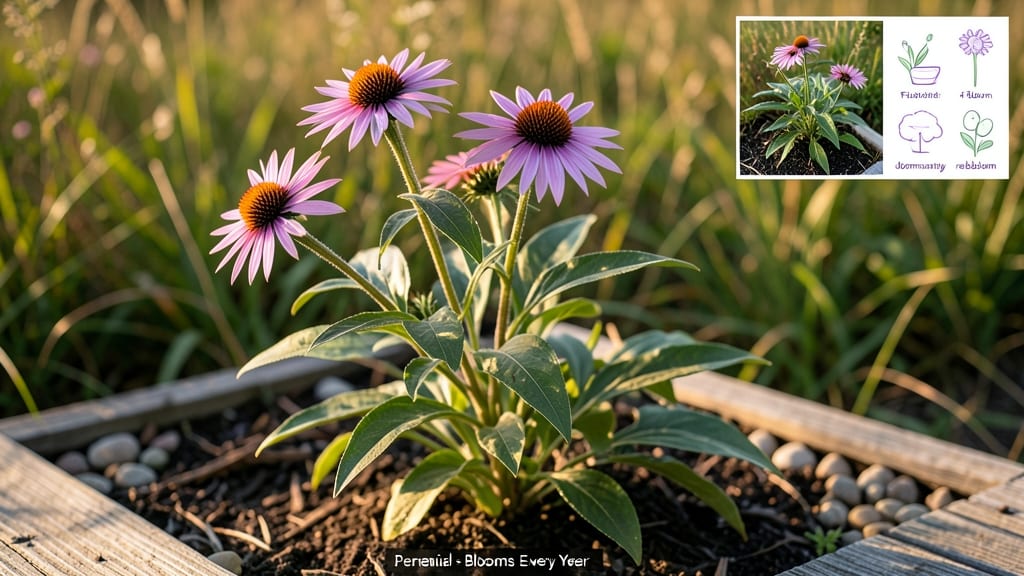
Not all perennials bloom every year—they need consistent sunlight, nutrient-rich soil, and proper seasonal care to flower annually, with some varieties taking multiple years to establish strong root systems before producing blooms reliably.
Perennial plants often go through dormant phases where they focus energy on root and foliage growth instead of flowering. 🌱 This is especially true for younger plants still building strength—think of it like a teenager saving up for college before splurging on fun.
Climate plays a huge role too: perennials in cooler zones might bloom less frequently than those in warmer areas, where growing seasons are longer. Even well-established plants can skip blooming if stressed by overwatering, pests, or poor soil drainage.
What sets reliable bloomers apart is their ability to balance growth and reproduction. For example, coneflowers often bloom annually once established, while peony varieties might take 3-5 years before showing their best flowers.
The key is matching your plant's native conditions—sunlight needs, water tolerance, and soil type—to create ideal growing scenarios that encourage consistent blooming.
💡 In This Article
- Why Some Perennials Skip Blooming Seasons
- How to Encourage Year-Round Perennial Blooms
Why some perennials skip blooming seasons
Perennials prioritize root and foliage growth over flowering during their early years—a survival strategy called juvenile dormancy. For example, peonies may take 3-5 years to establish strong root systems before producing their signature lush blooms.
This biological focus on below-ground development is why young perennials often appear healthy but flowerless, even under ideal conditions. 🌱 The plant's energy budget allocates 70-80% of resources to roots during establishment, leaving little for flower production.
Environmental stress triggers further delay flowering. Overwatering, for instance, can suffocate roots by depriving them of oxygen, while drought forces perennials into survival mode. Even pests like aphids or Japanese beetles divert energy away from blooming by damaging foliage.
Soil pH also matters—azaleas need acidic soil (pH 4.5-6.0) to bloom, while lavender thrives in alkaline conditions (pH 6.5-7.5). A mismatch can trigger dormancy instead of flowering.
Climate zones create dramatic variations in blooming patterns. In USDA Zone 5, perennials like black-eyed Susans may bloom 2-3 weeks later than in Zone 8 due to shorter growing seasons. Cold snaps can reset a plant's internal clock, delaying flowering until temperatures stabilize.
This explains why the same variety might bloom reliably in California but sporadically in Minnesota. 🌡️ The plant's photoperiod (light exposure) also matters—short-day plants like chrysanthemums need 12 hours or less of daylight to trigger blooming.
Some perennials have built-in biennial cycles, where they bloom only every 2 years. Foxgloves are classic examples—they produce foliage the first year, then flower and die back the second. Even established plants can skip blooming if stressed.
For instance, hostas may produce leaves but no flowers if shaded too heavily, as they require 4-6 hours of sunlight daily for optimal flowering.
Soil fertility plays a surprising role too. While many gardeners assume more fertilizer equals more flowers, excessive nitrogen promotes leafy growth at the expense of blooms. A balanced 10-10-10 NPK ratio (nitrogen-phosphorus-potassium) encourages flowering, but too much nitrogen can leave your daylilies lush but flowerless.
The key is understanding each perennial's native growing conditions and mimicking them in your garden.
What most gardeners overlook is the plant's internal florigen hormone, which signals when to bloom. Factors like temperature fluctuations, day length, and even rainfall patterns influence florigen production.
For example, bearded irises need a period of cold dormancy (40°F or below for 6-8 weeks) to trigger spring blooming. Without this chilling period, they may produce leaves but no flowers.