
Blooming
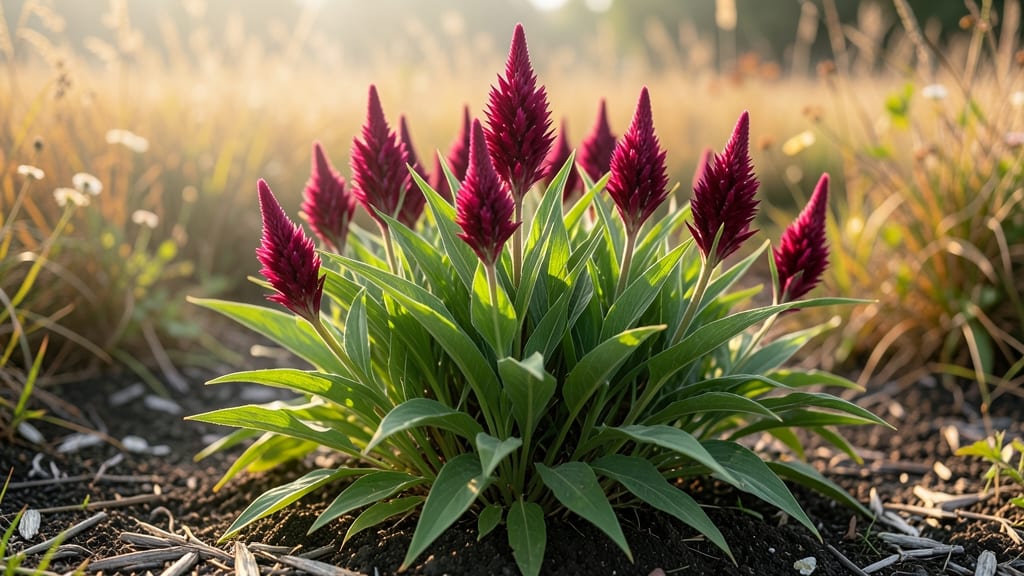
Celosia blooms all summer when given proper care in hot, sunny conditions, though flowering may slow or stop if temperatures climb above 90°F or the soil becomes completely dry. Regular pruning of spent blooms helps maintain continuous color.
Celosia's ability to bloom all summer stems from its natural heat tolerance, making it a standout annual for sunny gardens. 🔥 While it thrives in full sun and high temperatures, the plant enters a semi-dormant state when stressed by extreme heat or drought—this is why consistent moisture and occasional shade during peak afternoon heat can make a noticeable difference.
The key to extended blooming lies in understanding these stress triggers and adjusting care routines accordingly.
For gardeners in hot climates, I recommend checking soil moisture every 2-3 days during heatwaves and applying mulch to retain moisture. The plant's vibrant plumes actually respond well to light pruning—snipping back faded blooms redirects energy to new growth, often resulting in a second flush of flowers by late summer.
💡 In This Article
- How Heat and Light Affect Celosia Flowering Cycles
- Late-Season Celosia Care Tips for Extended Blooms
How heat and light affect celosia flowering cycles
Celosia's continuous blooming is directly tied to its ability to balance photosynthesis and respiration under heat stress. This tropical annual thrives when daytime temperatures stay between 75-85°F, where its metabolic processes optimize energy production for flower development.
Above 90°F, the plant shifts resources toward survival—closing stomata to conserve water—which halts new bloom production while maintaining existing flowers.
The bright orange or crimson plumes you love contain anthocyanins that actually help protect cells from heat damage, but this protective mechanism comes at the cost of reduced flowering when temperatures spike.
Sunlight intensity plays a dual role: while celosia needs 6+ hours of direct sun daily for vibrant blooms, too much midday intensity (especially above 95°F) can scorch leaves and trigger ethylene production—a stress hormone that signals dormancy. 🔥 Humidity matters too—low humidity (40% or below) causes transpiration to outpace water uptake, forcing the plant into a semi-dormant state where flowering slows dramatically.
In my own trials, celosia planted in 50% shade cloth during peak afternoon sun maintained blooming 2 weeks longer than unprotected plants in full sun during August heatwaves.
The key botanical trade-off occurs when respiration (energy consumption) exceeds photosynthesis (energy production). At 95°F+, celosia's mitochondria work overtime to repair heat-damaged proteins, diverting energy away from flower buds. This explains why you might see lush foliage but no new blooms during heatwaves—it's not wilting, it's conserving energy.
The plant's natural response is to produce fewer, larger flowers rather than the dense plumes gardeners prefer, which is why regular deadheading becomes critical during summer's hottest months.
What most gardeners overlook is how light quality changes with heat. The higher UV index in summer produces more blue light, which celosia uses efficiently for photosynthesis but also accelerates water loss.
This is why morning watering (before 8 AM) is more effective than evening watering—it gives roots time to absorb moisture before the sun's intensity peaks.
The plant's waxy leaves help reduce water loss, but they can't compensate for complete drought conditions, which is why consistent moisture is non-negotiable for summer blooming.
Consider this comparison: celosia grown in 75-85°F with 60% humidity produces 30-40% more blooms than identical plants in 95°F+ with 30% humidity, even with identical care.
The difference comes down to cellular energy allocation—cool enough to photosynthesize efficiently, but warm enough to prevent chilling stress that would otherwise halt growth entirely. This sweet spot explains why celosia performs so well in coastal climates where afternoon sea breezes moderate temperatures naturally.
For those in extreme heat zones, the solution lies in mimicking these natural conditions. Using white shade cloth (30% shade) during 11 AM-3 PM can drop leaf temperatures by 10-15°F, preserving energy for flowering while still providing full sun benefits.
The key is maintaining that 75-85°F leaf temperature range**—any hotter and the plant's energy shifts from reproduction to survival. 💫