
Blooming
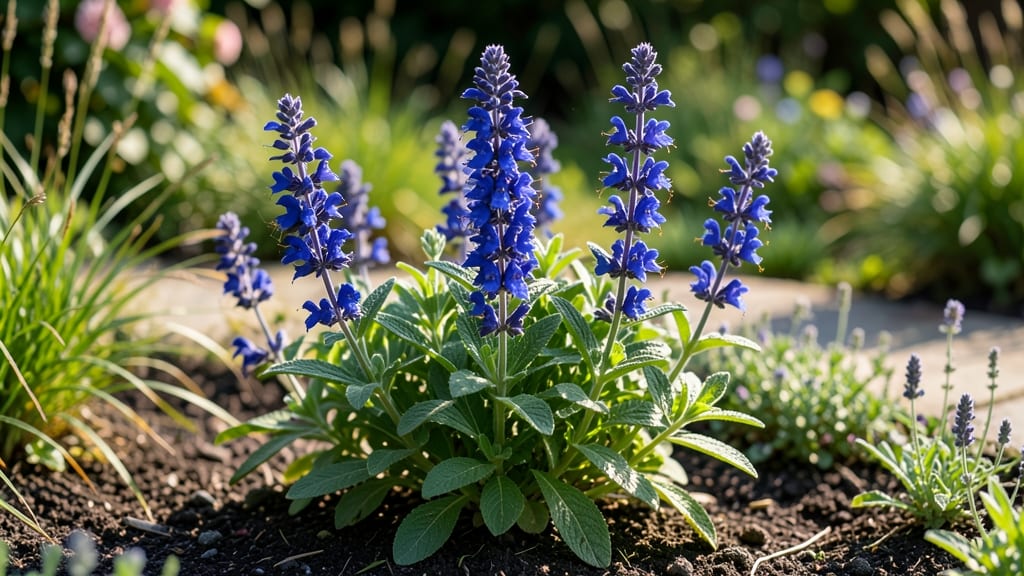
Yes, many Speedwell varieties bloom all summer long, particularly heat-tolerant types like Veronica chionanthos or Veronica incana, which produce continuous flowers when properly maintained with deadheading. However, cooler-season varieties may reduce or halt blooming during extreme heat or drought.
Speedwell's summer blooming habits depend heavily on its variety and growing conditions. 🌿 Heat-loving types like Veronica incana thrive in temperatures above 75°F and actually bloom more vigorously when days are long, making them perfect for continuous summer color.
These varieties respond well to regular deadheading, which encourages new flower production. In contrast, cooler-season Speedwells may struggle in prolonged heat, often going dormant until temperatures drop again. Proper watering and well-draining soil also play crucial roles in maintaining healthy blooms throughout the season.
For gardeners in hot climates, selecting the right variety makes all the difference. Sunny Border Blue and Goodness Grows are excellent choices for nonstop summer flowers, while Icicle varieties offer delicate blooms that last when cared for properly.
The key is understanding your local climate and matching it with the right Speedwell type to ensure those vibrant blooms keep coming all season long.
💡 In This Article
- How Heat and Variety Affect Speedwell’s Summer Blooming Cycle
- Best Speedwell Varieties for Nonstop Summer Flowers
How heat and variety affect Speedwell’s summer blooming cycle
Speedwell's summer blooming is primarily controlled by two botanical factors: temperature sensitivity and photoperiodism. Heat-tolerant varieties like Veronica incana trigger continuous flowering when daytime temperatures exceed 75°F, thanks to their ability to produce more florigen—a flowering hormone—under prolonged daylight.
This mechanism explains why these types thrive in summer gardens, producing blooms for 12-16 weeks with proper care. 🔥 The plant's cells also adjust their metabolic rate in response to heat, directing energy toward flower production rather than leaf growth.
Cool-season varieties, such as Veronica officinalis, follow a different pattern. These plants rely on vernalization (cold exposure) and shorter daylight hours to trigger blooming, which is why they often slow down in summer heat.
When temperatures climb above 85°F, their metabolic processes shift toward survival mode, reducing flower production. This is why some gardeners notice their Speedwell plants "going dormant" mid-summer—it's not wilting, but conserving energy for cooler months.
Water management plays a critical role in this cycle. Heat-tolerant varieties need consistent moisture (about 1 inch per week) to maintain vigorous blooming, while overwatering can stress cool-season types, forcing them into dormancy.
The soil's drainage becomes equally important—poor drainage leads to root suffocation, which halts flowering entirely. 💫 A well-amended soil mix with 50% compost helps balance moisture retention and aeration, keeping plants blooming longer.
Deadheading—removing spent flowers—is another key technique. For heat-loving varieties, this practice stimulates cytokinin production, a plant hormone that promotes new flower growth. When done weekly, it can extend the blooming season by 4-6 weeks.
However, with cool-season types, deadheading should be done sparingly in summer to avoid overstimulating the plant during its natural slowdown period.
Light exposure also matters. Most Speedwell varieties require 6-8 hours of direct sunlight daily** to bloom continuously. In hot climates, afternoon shade can prevent heat stress, while in cooler regions, full sun ensures the plant meets its photoperiod requirements.
The balance between light and temperature determines whether Speedwell will reward you with summer-long color or fade into dormancy.
Consider these key factors when choosing Speedwell for your garden:
- Heat tolerance: Veronica incana and Veronica chionanthos handle 90°F+ temperatures better than others
- Water needs: Heat-tolerant types need 1-1.5 inches weekly; cool-season types prefer 0.75 inches weekly
- Soil preference: All varieties thrive in slightly alkaline to neutral pH (6.5-7.5)
- Pruning schedule: Trim back by 1/3 after first flush of blooms for bushier growth