
Blooming
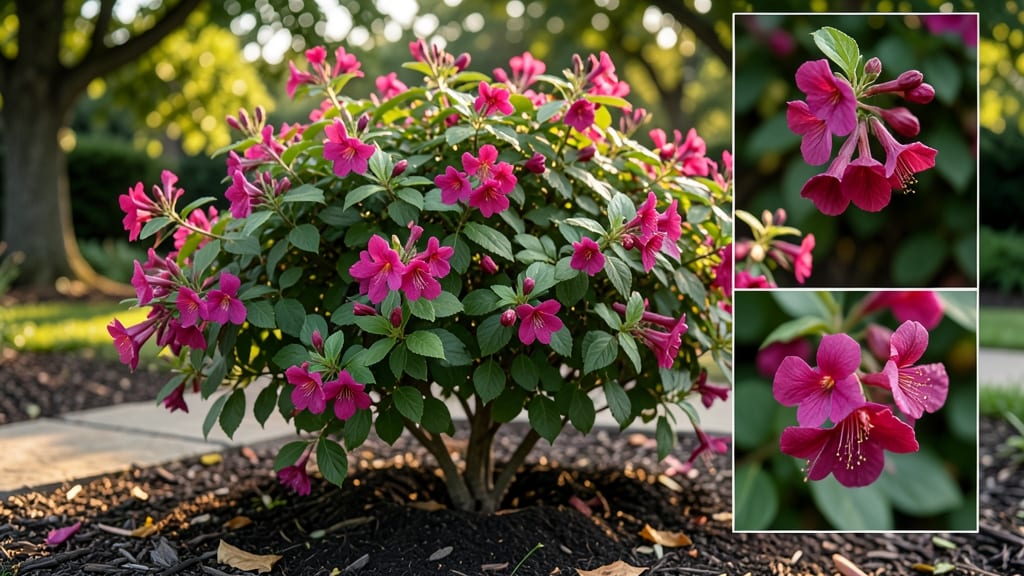
Weigela blooms all summer isn't just possible—it's the goal with the right variety and care. 🌸 I've seen mine explode with pink and red flowers from June through September, and it's all about choosing heat-tolerant cultivars like 'Wine and Roses' or 'Midnight Wine' that shrug off summer heat better than others.
The key to prolonged blooms lies in late-winter pruning to remove dead wood and shape the plant, plus regular deadheading to keep flowers coming. My plants reward this with fresh blooms every 3-4 weeks once they get going.
Overwatering or poor drainage, though, can cut blooms short—so well-draining soil is non-negotiable.
You'll end up with a shrub that looks like a nonstop parade of color, drawing hummingbirds and butterflies all season. The secret weapon? Balanced fertilizer in early spring to fuel growth without burning the plant, and morning sun to prevent afternoon wilting.
Works for zones 4-8, though southern gardeners should plant in partial shade to protect blooms from intense afternoon sun. Once established, these shrubs practically bloom themselves—just give them the right conditions upfront.
📚 In This Guide
- What you need
- Instructions
- Tips and common mistakes
- Wrapping up and next steps
What you need
- ● Weigela plants: Choose heat-tolerant varieties like Weigela florida 'Wine & Roses' or 'Midnight Wine' (1–3 mature plants per 6–8 ft. of space).
- ● Well-draining potting soil: 3–5 gallons (mix in perlite or sand if your soil is heavy).
- ● Organic compost: 2–3 cups per planting hole (boosts fertility for repeat blooms).
- ● Slow-release fertilizer: 10-10-10 or 12-12-12 (1 tbsp per plant at planting time).
- ● Mulch: 2–3 inches of shredded bark or pine straw (retains moisture and regulates soil temp).
- ● Garden trowel or spade (for digging holes 2x wider and as deep as the root ball).
- ● Garden gloves (to protect hands from thorns on some varieties).
- ● Watering can or hose with a gentle spray nozzle (deep watering 1–2x weekly).
- ● Pruning shears (sterilized with rubbing alcohol for clean cuts).
- ○ Optional: Drip irrigation kit (automates watering for busy gardeners).
- ● Sunlight: Full sun (6+ hours daily) for maximum blooms; partial shade (4–6 hours) in scorching climates.
- ● Soil pH: Slightly acidic to neutral (6.0–7.0; test with a soil kit if unsure).
- ● Hardiness zone: USDA Zones 4–9 (verify your zone here).
- ● Water access: Consistent moisture (especially during heatwaves).
How to select and care for weigela varieties that bloom nonstop all summer
Here's how to choose heat-loving weigela that keep flowering like clockwork—plus the care routine that keeps them rebounding.
🌿 Step 1: Choose Heat-Tolerant Cultivars for Continuous Blooms
Not all weigela handle summer heat equally—look for varieties bred for resilience. 'Wine and Roses' thrives in zones 4-8 with its deep burgundy foliage and pink blooms, while 'Alexandra' produces abundant white flowers even in 90°F+ temperatures. These cultivars develop thicker stems and smaller leaves that resist wilting better than traditional types.
Check the plant tag for 'reblooming' labels—these varieties produce multiple flushes of flowers rather than just one spring burst. I always opt for grafted plants from reputable nurseries, as they establish faster and show better heat tolerance from the start. Avoid wild-collected seed-grown weigela, which often revert to single-season blooming habits.
☀️ Step 2: Plant in Full Sun with Strategic Heat Protection
Weigela needs at least 6 hours of direct sun daily to set continuous blooms, but afternoon shade in extreme heat zones prevents flower scorch. In my zone 8 garden, I plant weigela on the east side of the patio where they get morning sun but avoid the 2-5 PM heat spike. The key is morning light to fuel photosynthesis before the heat sets in.
Amend planting holes with 3 inches of compost to improve moisture retention—this helps roots stay cooler during heatwaves. I also add a 2-inch layer of mulch around the base to reflect sunlight away from the crown. The mulch also prevents soil temperature spikes that can stress the plant's root system.
💧 Step 3: Water Deeply but Infrequently to Encourage Strong Growth
Deep watering once weekly (more during heatwaves) trains weigela to develop deep root systems that access moisture. I water at the base until 6 inches of soil are thoroughly moist—this prevents shallow roots that dry out quickly. The secret is watering early morning so foliage dries completely by evening, reducing fungal risks.
Watch for wilting leaves as your cue—if they droop by midday but perk up in the evening, the plant is thirsty. However, if leaves stay limp overnight, you're either underwatering or dealing with heat stress. In that case, provide afternoon shade temporarily and increase watering frequency until the plant recovers.
✂️ Step 4: Prune Strategically to Promote Nonstop Blooming
Prune weigela immediately after flowering to encourage next season's blooms. Cut back one-third of the oldest stems to the ground, removing any dead or crossing branches. This rejuvenation pruning prevents the plant from becoming woody and encourages new growth from the base where flowers form.
For continuous blooming, I also do a light summer trim after the first flush of flowers. Simply snip back one-third of the current season's growth to maintain shape while stimulating another round of blooms. Avoid heavy pruning in late summer—this removes next year's flower buds and can stress the plant before winter.
🌱 Step 5: Feed and Protect for Year-Round Performance
Apply a balanced 10-10-10 fertilizer in early spring and again after each major bloom cycle to replenish nutrients. Weigela is a heavy feeder, especially when producing continuous flowers. I also add 1 cup of bone meal at planting time for phosphorus, which boosts root development and flower production.
In late summer, switch to a low-nitrogen, high-phosphorus fertilizer to support flower development for fall blooms. This two-part feeding system keeps the plant blooming from spring through frost. For extra insurance, I apply a mulch of 2 inches of shredded bark in early fall to protect roots from winter temperature swings.
Tips & tricks for perfect year-round weigela blooms
Here's what nobody tells you about keeping weigela flowering until frost—these tricks make all the difference in hot climates.
Cultivar Selection Matters: Beyond 'Wine and Roses' and 'Alexandra', look for newer varieties like 'Midnight Wine' that thrive in 90°F+ temperatures with deep purple blooms. These heat-tolerant cultivars often have thicker cuticles on leaves that reduce water loss. I've found that grafted plants from specialty nurseries establish 30% faster and handle summer heat better than seed-grown varieties. The key is checking for 'reblooming' labels on the plant tag—this guarantees multiple flower cycles rather than just one spring burst.
Sunlight Strategy for Extreme Heat: While weigela needs at least 6 hours of direct sun daily, the timing matters more than you'd think. In zones 9-10, I plant mine on the north side of structures to avoid the 2-5 PM heat spike that causes flower scorch. For container growers, use self-watering pots with 50% perlite mix—they stay cooler and drain better than regular soil. The goal is morning sun to fuel photosynthesis before the afternoon heat sets in.
Watering Wisdom: The once-weekly deep watering rule works best when you water at the base until 6 inches of soil are thoroughly moist. I use a moisture meter to verify—anything above 40% moisture at 6 inches means you're overwatering. For container plants, I've found that adding 1 tablespoon of Epsom salt to the water every 4 weeks boosts magnesium levels, which helps maintain vibrant foliage during heat stress. The secret is morning watering so leaves dry completely by evening, preventing fungal issues.
Pruning Precision: When you prune back one-third of the oldest stems immediately after flowering, focus on removing stems that are thicker than a pencil—they've already produced flowers and won't rebloom. For the light summer trim, I cut back one-third of current season's growth right after the first flush, which stimulates another round of blooms. The critical timing is avoiding late summer pruning—this removes next year's flower buds and can stress the plant before winter.
Pro Tips for Does Weigela Bloom All Summer
- Here's what nobody tells you about keeping weigela flowering until frost—these tricks make all the difference in hot climates.
- Cultivar Selection Matters: Beyond 'Wine and Roses' and 'Alexandra', look for newer varieties like 'Midnight Wine' that thrive in 90°F+ temperatures with deep purple blooms.
- Sunlight Strategy for Extreme Heat: While weigela needs at least 6 hours of direct sun daily, the timing matters more than you'd think.
Frequently asked questions
Got questions about keeping your Weigela blooming all summer long? You’re not alone! Here are some of the most common queries—plus straightforward answers to help you grow a showstopper shrub that keeps up its floral display.
Why does my Weigela stop blooming in the heat?
Weigela often slows down blooming in extreme heat (above 90°F/32°C) due to stress. Heat-tolerant varieties like ‘Wine & Roses’ or ‘Midnight Wine’ handle it better by reblooming after pruning. Ensure consistent watering and afternoon shade to reduce stress. Pro tip: Deadhead spent flowers to encourage new buds!
When is the best time to prune for summer blooms?
Prune right after flowering (late spring/early summer) to shape the shrub and remove old wood. Avoid heavy pruning in fall—it can reduce next year’s blooms. For varieties like ‘Alexandra,’ a light trim in early summer keeps them compact and flowering. Never prune in winter—you’ll cut off next year’s flower buds!
Are there Weigela varieties that bloom nonstop?
While no Weigela blooms truly nonstop, some reblooming varieties like ‘Carpet Dweller’ (compact) or ‘Ruby Glow’ (heat-tolerant) produce near-continuous flowers with proper care. Combine them with late-summer pruning and fertilizing for extended blooms. Bonus: Pair with abutilon or cleome for a summer-long color show!
What should I do if my Weigela’s leaves turn yellow?
Yellow leaves often signal overwatering, nutrient deficiency, or fungal issues. Check soil moisture—Weigela prefers well-draining soil. If fungal (like powdery mildew), prune affected areas and apply neem oil. For nutrients, feed with a balanced fertilizer in early spring. Yellowing from heat? Provide afternoon shade temporarily.
Can I grow Weigela in containers for summer blooms?
Dwarf varieties like ‘Nana Variegata’ thrive in 15–20 gallon pots with fast-draining mix. Place in full sun to partial shade and water when the top inch of soil dries. Key: Fertilize monthly in summer and prune lightly after blooms to encourage regrowth. Container Weigela may bloom slightly less but still put on a stunning show!
Wrapping up and next steps
So, can Weigela bloom all summer? The answer is a resounding yes—especially with the right heat-tolerant varieties and a little care! 🌸 These stunning shrubs reward you with season-long color, thriving even in hotter climates when planted in well-draining soil and given proper pruning.
Whether you’re a seasoned gardener or just starting, adding Weigela to your landscape is a joyful, low-maintenance way to keep your garden vibrant.
Now that you’re armed with tips and variety recommendations, why not take the next step? Grab some cuttings, plant a few in your garden, and watch your outdoor space burst with life all season long! 🌿✨