
Blooming
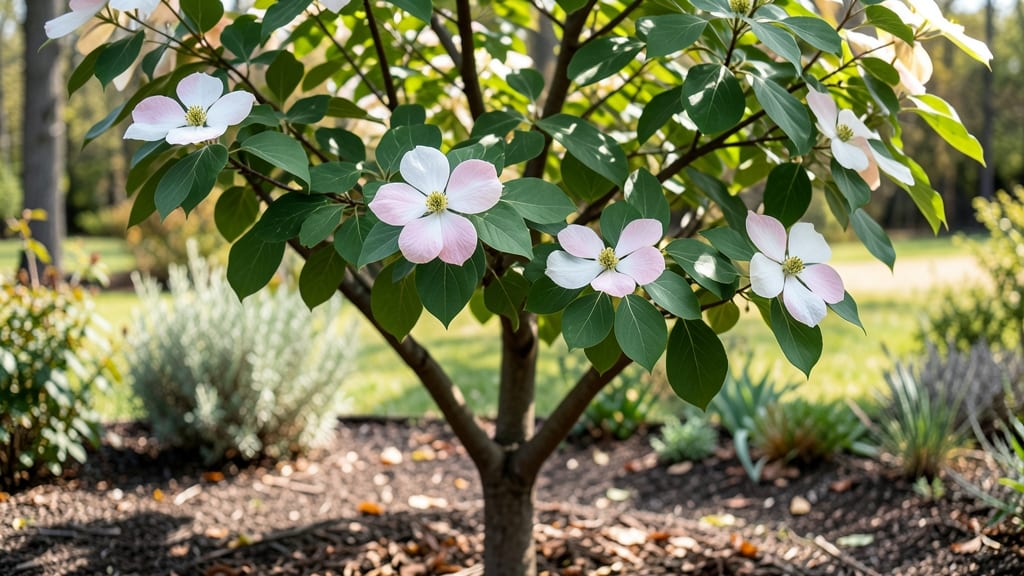
The meaning of dogwood blooms centers on purity, hope, and enduring love across cultures, deeply connected to spring renewal and resilience. Their delicate flowers embody humility and faith, while their seasonal appearance celebrates new beginnings in many traditions.
The dogwood's symbolic power stems from its striking appearance and timing—blooming just as winter fades, it became a natural emblem for rebirth. 🌸 In Christian traditions, its four white petals represent the nails used in the crucifixion, while Native American cultures saw them as symbols of peace and protection.
Even in modern weddings, dogwood arrangements often appear because their blooms mirror the fleeting yet profound nature of love.
What's fascinating is how this meaning transcends borders: Japanese shōbu (white dogwood) appears in poetry as a metaphor for purity, while European spring festivals once incorporated dogwood branches to ward off evil spirits.
Beyond symbolism, dogwoods play a practical role in garden design. Their springtime blooms create stunning focal points when paired with heuchera or ferns, while their autumn foliage adds seasonal interest.
For rituals, many cultures craft dogwood wreaths during spring equinox celebrations—these aren't just decorative but carry intentional messages of renewal. The key to preserving their cultural significance is planting them in well-drained soil with morning sun exposure, ensuring their blooms remain vibrant for generations to come.
💡 In This Article
- Historical and Cultural Symbolism of Dogwood Flowers
- How to Use Dogwood Blooms in Garden Design and Rituals
Historical and cultural symbolism of dogwood flowers
The dogwood's deep-rooted symbolism begins with its striking botanical features. Each white or pink bloom typically has four petals—an arrangement that Christian legend ties directly to the crucifixion of Jesus.
According to folklore, the dogwood's petals once resembled a cross, but the tree shrank in shame when it failed to provide wood for the cross.
This myth explains why the petals now form a square shape, symbolizing both sacrifice and divine protection. 🌿 The tree's bark also plays a role, as its red inner layer was historically used by Native American tribes to create dyes for ceremonial clothing, reinforcing its spiritual significance.
In Native American traditions, particularly among the Cherokee and Iroquois, dogwood branches were used in peace negotiations and protection rituals. The tree's early spring blooms signaled the end of harsh winters, making it a natural emblem for renewal and harmony.
Japanese culture embraces the white dogwood (shōbu) as a symbol of purity and enlightenment, often depicted in ukiyo-e prints alongside cherry blossoms. Meanwhile, European spring festivals historically incorporated dogwood branches to ward off evil spirits—its blossoms were believed to cleanse homes and fields of negative energy.
The tree's adaptability to various climates (thriving in USDA zones 5-9) allowed its symbolism to spread globally.
What makes dogwoods particularly fascinating is how their biological traits reinforce their symbolic meanings. The tree's small, edible fruit (called a drupe) contains seeds that germinate best after passing through animal digestive systems—a process that mirrors the cycle of death and rebirth central to many spring rituals.
The blooms also emit a subtle, sweet fragrance that attracts pollinators, creating a sensory connection between the tree and its cultural associations. This natural perfume was historically used in European folk remedies to calm nerves, further linking the plant to themes of purity and healing. 🌸
The dogwood's seasonal timing—blooming in late April to early May—aligns perfectly with spring equinox celebrations worldwide. In the Southern United States, where dogwoods are state trees (like in Virginia and Florida), their blooms coincide with Easter services, reinforcing their Christian symbolism.
Meanwhile, in East Asian cultures, the tree's appearance marks the transition from winter to spring, a period traditionally associated with new beginnings. This precise timing isn't coincidental; it's a biological adaptation that makes dogwoods natural symbols for renewal across diverse traditions.
Modern interpretations of dogwood symbolism often focus on their use in weddings and memorial services. The flowers' delicate appearance and fleeting bloom period make them powerful metaphors for love's impermanence and enduring impact.
In Japanese tea ceremonies, shōbu branches are sometimes included to represent humility and the transient nature of beauty. Even in contemporary garden design, dogwoods are planted near meditation paths to encourage mindfulness—a practice that connects ancient symbolism with modern wellness trends.
The tree's ability to thrive in partial shade also makes it a practical choice for symbolic gardens, where its meaning can be enjoyed year-round through its changing foliage.
Consider these key cultural associations when interpreting dogwood symbolism:
- Christianity: Four-petaled blooms represent the crucifixion nails (divine sacrifice)
- Native American: Peace negotiations and protection rituals (harmony with nature)
- Japanese: Shōbu symbolizes purity and enlightenment (Zen aesthetics)
- European: Spring cleansing rituals (warding off evil spirits)
The dogwood's versatility as a symbol stems from its adaptability—both biologically and culturally. Whether you're admiring its blooms in a Southern garden or encountering it in a Japanese ink painting, the tree's meaning remains rooted in themes of renewal, protection, and the fleeting yet profound nature of beauty. 💫