
Blooming
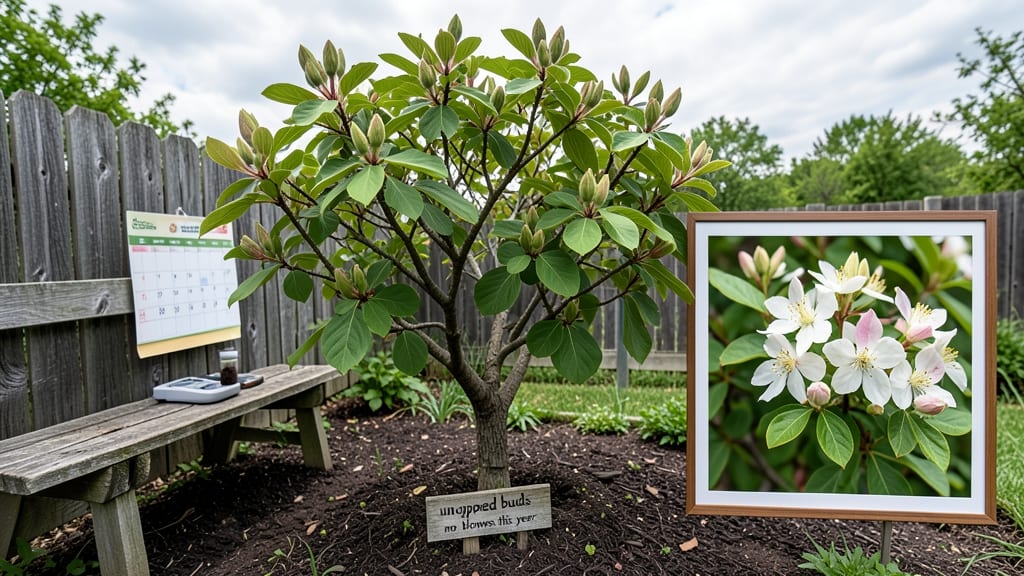
If your dogwood didn’t bloom this year, don’t panic—it might just need a light pruning tune-up and a little sunlight adjustment for next year’s stunning flowers. 🌸 After years of patiently waiting for those iconic white blooms, I’ve learned the hard way that dogwoods are picky about sunlight, pruning timing, and even their age—skipping blooms doesn’t always mean the tree is dying.
The good news? Most issues are fixable with a few targeted adjustments.
First, check the sunlight: dogwoods crave 6+ hours of morning sun but need afternoon shade in hot climates. If your tree’s in deep shade, move it or thin nearby branches—just a few hours more light can trigger blooms.
Then, prune after blooming season (late summer/early fall) to avoid cutting off next year’s flower buds. Over-pruning or wrong timing is the #1 reason dogwoods skip blooms.
You’ll see the difference by next spring: vibrant new growth and—fingers crossed—those classic flowers. The key is patience: young trees (under 5 years) often bloom lightly, while mature ones (10+ years) might need a little extra care after years of neglect. A quick soil check for nutrients can’t hurt either.
Still no flowers after a year? Consult an arborist—sometimes pests, disease, or root issues lurk beneath the surface. But in most cases, light, pruning, and a little TLC will have your dogwood back in bloom by next season. Let’s get that tree flowering again!
Root Causes Behind Missing Blooms
When your dogwood fails to bloom, it’s rarely a sign of poor luck—it’s usually a response to environmental or horticultural factors. Understanding these triggers can help you correct the issue before next season. Here’s why your dogwood might have skipped its floral show this year:
Dogwoods (Cornus florida) are deciduous trees that rely on a period of winter dormancy to trigger flowering. Most varieties need 400–1,000 chill hours (temperatures between 32–45°F/0–7°C) over winter to set flower buds.
Why it happens:
- Mild winters (e.g., urban heat islands, microclimates, or recent climate shifts) can prevent buds from forming.
- Sudden warm spells in late winter can "trick" the tree into breaking dormancy too early, causing buds to abort.
- Young trees (under 5–7 years old) may not have built enough energy reserves to sustain blooming after minimal chill exposure.
Actionable fix:
- Monitor your local chill hours using a home weather station or USDA chill hour calculators.
- If your area lacks sufficient chill, consider late-winter pruning (after last frost) to remove dead wood and encourage new growth—though this won’t replace lost chill hours.
- Mulch heavily (3–4 inches of organic mulch) to protect roots from temperature swings.
Dogwoods thrive in partial shade to full sun, but too much shade (or sudden shifts in light) can starve them of the energy needed for blooming.
Why it happens:
- New construction or tree growth casting deeper shade than before.
- Overly dense canopies from neighboring trees blocking 6+ hours of sunlight daily.
- East- or west-facing exposure (intense afternoon sun) can stress the tree, diverting energy to leaf production over flowers.
Actionable fix:
- Prune competing trees to restore dappled sunlight (dogwoods prefer filtered light).
- If your dogwood is in deep shade, consider gradual thinning of surrounding foliage over 2–3 years.
- Avoid south-facing walls—reflected heat can scorch leaves, further reducing bloom potential.
Dogwoods bloom on old wood (buds set the previous summer). Aggressive pruning—especially after flowering—can remove next year’s blooms before they form.
Why it happens:
- Late-spring/early-summer pruning (June–July) cuts off current season’s flower buds.
- Heavy structural pruning (removing >25% of branches at once) stresses the tree, prioritizing recovery over blooming.
- Shearing or topiary-style cuts can damage the tree’s natural growth habit.
Actionable fix:
- Prune in late winter/early spring (just before buds swell) to shape the tree without removing flower buds.
- Never prune after mid-June—this is the critical period for bud formation.
- Remove only dead, diseased, or crossing branches—avoid "thinning out" healthy branches unnecessarily.
Dogwoods are sensitive to moisture extremes and nutrient imbalances, both of which can halt flowering.
Why it happens:
- Drought stress: Dogwoods have shallow roots and struggle in dry soil, diverting energy to survival over reproduction.
- Overwatering: Soggy roots (from poor drainage or excessive irrigation) can lead to root rot, starving the tree.
- Nitrogen-heavy fertilizers: Too much nitrogen promotes leafy growth at the expense of flowers.
- Deficiencies in phosphorus/potassium: These nutrients are critical for bud formation but are often lacking in average soil.
Actionable fix:
- Water deeply but infrequently (1–1.5 inches per week, more in extreme heat). Use drip irrigation to avoid wetting foliage.
- Test your soil (pH 5.0–6.5 is ideal) and amend with compost or organic matter for better moisture retention.
- Fertilize in early spring with a balanced, slow-release fertilizer (e.g., 10-10-10) or a phosphorus-rich formula (like 5-10-10) to encourage blooming.
- Mulch annually (2–3 inches of wood chips) to retain moisture and regulate soil temperature.
Hidden threats like borers, scale insects, or fungal diseases can weaken your dogwood, preventing it from flowering.
Why it happens:
- Dogwood borers (larvae tunneling into bark) disrupt nutrient flow.
- Powdery mildew or anthracnose (common in humid climates) cause leaf drop, reducing the tree’s energy reserves.
- Scale insects sap sap, leading to stunted growth and poor flowering.
Actionable fix:
- Inspect bark and leaves for sawdust-like frass (borer sign), white powdery spots (mildew), or sticky residue (scale).
- Treat early with neem oil (for pests) or fungicidal sprays (for diseases) in late winter or early spring.
- Remove and destroy heavily infested branches to prevent spread.
- Improve air circulation by pruning dense foliage to reduce humidity-related diseases.
Not all dogwoods bloom reliably, and some take years to reach peak flowering.
Why it happens:
- Young trees (under 5 years) may not have the energy reserves to bloom heavily.
- Some cultivars (e.g., Cornus florida 'Cherokee Brave') are bred for foliage over flowers, while others (like 'Rubra') prioritize blooms.
- Over-mature trees (30+ years) may decline in vigor, producing fewer flowers.
Actionable fix:
- Be patient—consistent care often leads to better blooms in years 6–10.
- Choose the right cultivar for your climate (e.g., 'Stellar Pink' for heat tolerance or 'Golden Age' for disease resistance).
- Rejuvenate older trees with light pruning to encourage new growth and flowering.
Revive Your Dogwood’s Bloom
If your dogwood tree skipped its usual spring show, don’t panic—there are practical steps to coax it back to life and ensure a vibrant display next year. Below, we’ve mapped the most common causes of poor blooming to actionable fixes, along with prevention tips to keep your tree thriving.
Dogwoods (Cornus florida) love dappled sunlight—too much shade or harsh sun can stunt blooms. If your tree isn’t getting 4–6 hours of filtered light daily, try these adjustments:
- 🔥 Relocate or Thin Overhead Canopy If nearby trees or structures are blocking light, prune branches or consider transplanting your dogwood to a sunnier spot. A south- or east-facing location (with afternoon shade in hot climates) works best.
- 🌿 Prune Competitive Foliage Trim back aggressive shrubs or vines that steal sunlight. Aim to open up the canopy by 10–20% for better air circulation and light penetration.
- 💡 Prevention Tip Plant dogwoods where they’ll mature without future shade competition. Avoid planting under fast-growing trees like willows or poplars.
Improper pruning—like cutting too late, removing too many branches, or shearing—can stress your dogwood and reduce flowering. Follow these steps to reset its growth:
- 👨🍳 Prune at the Right Time Best time: Late winter or early spring before buds swell (February–March in most zones). Avoid pruning in fall or during bloom season.
- 🥘 Remove Dead or Crossing Branches Use clean, sharp pruners to cut back:
- Dead/diseased wood (look for brown, brittle branches).
- Branches rubbing against each other (friction weakens the tree).
- No more than 25% of the canopy in one season—dogwoods are sensitive to heavy pruning.
- ⏰ Avoid "Topping" or Heavy Shearing Never cut back to a stub or shape the tree like a hedge. Instead, make angled cuts just outside the branch collar to encourage healthy regrowth.
- 🎯 Prevention Tip If your dogwood is young (under 5 years), skip pruning entirely—it needs all its energy to establish roots and flower.
Dogwoods prefer moist, well-draining soil with a slightly acidic pH (5.0–6.5). Poor soil or drought stress can halt blooming.
- 🌡️ Check Soil Moisture Stick your finger 2–3 inches deep into the soil. If it’s dry, water deeply 1–2 times per week (more in extreme heat). Mulch with 2–3 inches of organic matter (wood chips, shredded bark) to retain moisture and regulate temperature.
- 📊 Test Soil pH and Amend as Needed Use a soil test kit (available at garden centers). If pH is too high (alkaline), mix in sulfur or peat moss to lower it. For compacted soil, add compost or sand to improve drainage.
- 💪 Fertilize Lightly in Early Spring Apply a balanced, slow-release fertilizer (10-10-10 or 5-10-5) in early March, following package instructions. Avoid high-nitrogen fertilizers—they promote leafy growth at the expense of flowers.
- ✨ Prevention Tip Dogwoods hate "wet feet"—ensure the planting site has no standing water after rain. If your yard is soggy, plant on a slight mound or improve drainage with gravel.
Fungal diseases (like powdery mildew or anthracnose) or pests (such as borers or scale insects) can weaken your dogwood, reducing its energy for blooms.
- 🔪 Inspect for Signs of Damage Look for:
- Leaf spots (brown/yellow patches) → Likely anthracnose.
- White powdery coating → Powdery mildew.
- Holes in bark or sawdust-like frass → Borer infestation.
- 🍎 Apply Fungicide or Insecticide (If Needed) For fungal issues, spray with a copper-based fungicide (like Copper Soap) in early spring and fall. For borers, use systemic insecticides (e.g., Imidacloprid) as a soil drench in late winter.
- 🌿 Prevent Future Infestations
- Clean up fallen leaves (a common fungal host) in autumn.
- Avoid overhead watering (use drip irrigation or soaker hoses).
- Space dogwoods 15–20 feet apart for better airflow.
- 🍂 Mulch Annually – Refresh mulch in late winter to protect roots and retain moisture. - 🌿 Avoid Transplant Shock – If you recently moved your dogwood, wait 1–2 years before expecting full blooms. - 🌸 Choose the Right Variety – Some dogwoods (like Cornus florida ‘Cherokee Brave’) are more cold-hardy and disease-resistant.
Consider swapping out struggling trees with hardier cultivars.
By tackling the root cause—whether it’s light, pruning, soil, or pests—your dogwood should bounce back with stunning blooms next spring. Start with one or two fixes this season, and monitor progress. With a little TLC, your tree will reward you with show-stopping flowers for years to come!
Frequently asked questions about dogwoods not blooming
Why did my mature dogwood suddenly stop blooming after years of flowers?
Mature dogwoods often skip blooms due to stress from heavy pruning, disease pressure (like anthracnose), or root competition from nearby plants. Check for leaf spots or borer holes in the bark—these are common culprits. Also verify if nearby trees now cast more shade than before.
Can I fix my dogwood’s blooming issues in just one season?
Some fixes (like light adjustments or proper pruning timing) may show improvement in next year’s blooms, while others (like soil amendments or pest control) take 2-3 seasons to fully restore flowering. Focus on one major issue at a time—overcorrecting can stress the tree further.
Is it normal for young dogwoods (under 5 years) to have sparse blooms?
Yes! Young dogwoods prioritize root and leaf growth over flowers. First blooms are often modest, and heavy pruning or transplant shock can delay flowering for 1-2 more years. Avoid pruning young trees entirely—they need all their energy to establish.
How do I know if my dogwood has enough sunlight for blooming?
Dogwoods need 4-6 hours of filtered sunlight daily. Test your tree’s light exposure by observing leaf color—pale green leaves indicate insufficient light, while yellowing or scorched edges mean too much harsh sun. Ideal spots get morning sun with afternoon shade in hot climates.
Could my dogwood’s lack of blooms be from last year’s pruning?
Pruning after mid-June removes next year’s flower buds (which form on old wood). If you pruned heavily in summer or fall, that’s likely why you’re seeing fewer blooms. For next year, prune only in late winter/early spring before buds swell.