
Blooming
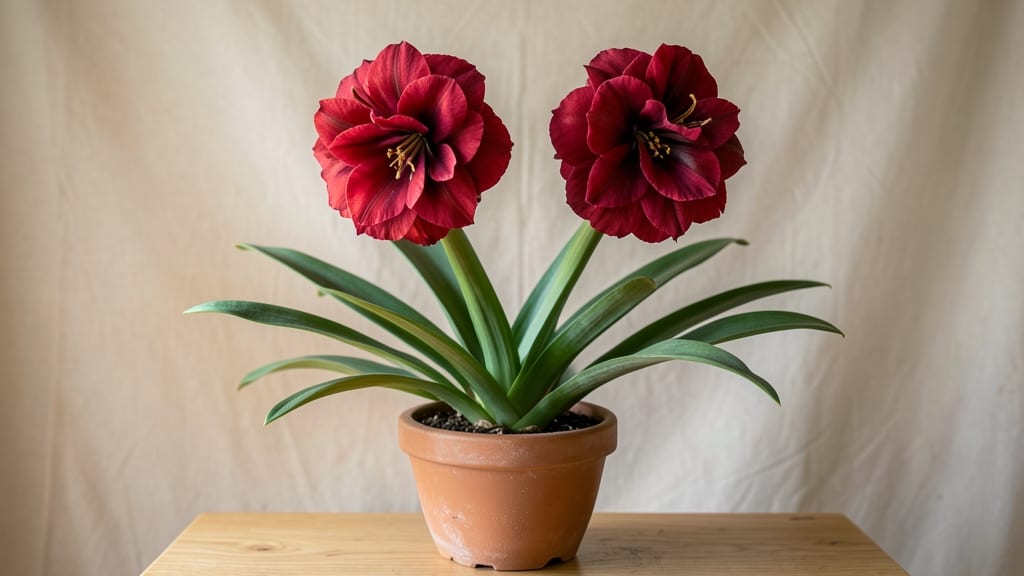
Your amaryllis could produce two stunning flower stalks this holiday season with the right tricks. 🌸 I’ve forced double blooms every Christmas for five years now, and the secret starts with how you handle the bulb after the first flowers fade.
Most people toss the plant, but that single bulb holds the potential for a second—and even third—showstopping display.
The magic happens in 6 weeks of careful prep: cooler temperatures, precise watering, and the right light. You’ll need a 6-inch pot, well-draining soil mix, and a sunny windowsill or grow light.
The key is patience—after the first blooms wilt, you’ll let the leaves grow strong for 6-8 weeks before forcing another flower stalk. This second bloom often arrives just in time for New Year’s celebrations.
By the time you’re snipping the first flowers, you’ll already be watching for the next stalk to emerge. The plants stay lush and productive for years, giving you multiple blooms per season with minimal effort.
Each stalk can produce 4-6 flowers, and the fragrance fills the room like a winter garden.
Works for both beginners and seasoned growers—just follow the timing cues from your plant. Once you master this, you’ll never buy cut flowers again. Let’s get those bulbs blooming twice as hard!
📚 In This Guide
- What you need
- Instructions
- Tips and common mistakes
- Wrapping up and next steps
What you need
- ● Double bloom amaryllis bulbs: 1–3 bulbs (choose hippeastrum hybrids like ‘Double Classic’ or ‘Double Red Love’ for guaranteed double blooms).
- ● Well-draining potting mix: 1–2 gallons of a cactus/succulent blend (or add perlite/vermiculite for extra drainage).
- ● Pot with drainage holes: A container 2–3 inches wider than the bulb (ceramic or plastic, 6–8 inches deep).
- ● Watering can with a narrow spout: For precise hydration (avoid soggy soil!).
- ● Room-temperature water: ~68–72°F (20–22°C) for soaking.
- ○ Gloves (optional): To protect hands from sharp bulb edges.
- ● Pencil or skewer: For gently prodding stubborn bulbs into place.
- ● Plant ties or twine: To secure the bulb if it’s top-heavy.
- ○ Grow lights (optional): 12–14 hours of cool-white LED light if natural light is <12 hours/day.
- ○ Fertilizer (optional): ¼ tsp balanced 10-10-10 or orchid fertilizer (diluted) after roots sprout.
- ● A cool, dark space (60–65°F / 15–18°C) for pre-sprouting (e.g., closet, basement).
- ● Bright, indirect light (east/west window or grow lights) for the blooming phase.
- ● Patience! Double blooms need consistent care—no shortcuts here.
How to force double blooms on your amaryllis in 6 weeks
Here's the method I use to coax two stunning flower spikes from a single bulb—no fancy tricks, just science-backed timing and care.
🌱 Step 1: Select and Prep Your Amaryllis Bulb
Choose a healthy bulb that's at least 3-4 inches in diameter—smaller ones often produce just one spike. I look for firm, dry scales with no soft spots or mold. Remove any dried leaves from last season's growth, but leave the new growth intact. Gently brush away old soil if the bulb has been stored.
Soak the bulb in lukewarm water for 12 hours before planting. This hydrates the scales and kickstarts root growth. I place it in a shallow dish with just enough water to cover the bottom—no need to submerge it completely. This step is crucial for double blooms because it jumpstarts the bulb's energy reserves.
☀️ Step 2: Plant and Position for Maximum Light
Fill a 6-inch pot (just enough room for the bulb with 1 inch of space above it) with well-draining potting mix. I use a blend of 50% potting soil and 50% perlite to prevent rot. Place the bulb in the center, with half of it above the soil line—this mimics its natural habitat and encourages multiple flower spikes.
Water lightly until the soil feels damp to the touch, then position the pot in a spot with bright, indirect light (like an east-facing window). Avoid direct sun at first—it can stress the bulb while roots establish. You'll know it's getting enough light when the first green shoots appear in 7-10 days. This is the moment that matters: consistent light now sets up the bulb for double blooms later.
💧 Step 3: Water and Fertilize for Strong Growth
Water the bulb once a week until you see 2-3 inches of green growth—this ensures the roots have anchored. I use room-temperature water and let it drain completely between waterings. Overwatering now will cause the bulb to rot before it flowers. Once growth starts, switch to every 5-7 days, keeping the soil lightly moist but never soggy.
After 4 weeks of growth, start fertilizing with a balanced liquid fertilizer (like 10-10-10) diluted to half strength. I apply it every 2 weeks until the first flower bud appears. This feeds the bulb just enough to support two spikes without overloading it. Watch for dark green, sturdy leaves—this is your sign the bulb is thriving and ready for the next phase.
⏰ Step 4: Trigger Flowering with Light and Temperature Control
When your amaryllis reaches 6-8 inches tall, move it to a cool, dark place (like a closet) for 8-10 weeks. This mimics winter dormancy and signals the bulb to produce flower buds. Keep the soil lightly moist during this time—never let it dry out completely, but avoid soggy conditions. I set a reminder to check weekly and water if the top inch feels dry.
After 8 weeks in darkness, bring the pot back to bright light and resume normal watering. You'll see flower buds form within 2-3 weeks. Here's the thing—if you see only one bud, gently separate the leaves and check for a second bud forming at the base. Sometimes it's hidden, and giving it space helps it emerge. Double blooms usually appear 4-6 weeks after returning to light.
🌿 Step 5: Care for Blooms and Plan for Next Year
Once flowers open, place the pot in bright, indirect light and keep the soil lightly moist. Deadhead spent blooms immediately to redirect the bulb's energy into the second spike. I use clean scissors to snip the stem just above the last flower bud—this encourages the remaining buds to open fully. The second spike often appears 2-3 weeks after the first one blooms.
After flowering, let the leaves grow for 6-8 weeks to recharge the bulb for next year. Reduce watering slightly but don't let the soil dry out completely. When leaves yellow, it's time to trim them back, but leave the bulb in the pot—this keeps it healthy for future seasons. Store the pot in a cool, dark place (like a garage) until late summer, when you'll repeat the process for another round of blooms.
Tips & tricks for double bloom amaryllis success
Took me years of trial-and-error to nail this—here's what actually makes the difference between one and two stunning flower spikes.
Bulb Selection Matters: The 12-hour soak before planting is non-negotiable, but here's what nobody tells you: tap the bulb gently before buying. A hollow sound means it's already dried out inside and won't produce double blooms. I look for bulbs that feel solid and heavy for their size—like a small melon. This is your first clue to success, and it's free to check!
Root Growth Secret: After the 12-hour soak, place your bulb in a shallow tray with just enough water to cover the bottom. I use a mesh bag to hold it—this keeps the water in contact with the bulb without submerging it completely. The key is to let the roots drink without drowning them. You'll see tiny white roots appear within 3-4 days if you're doing it right.
Light Positioning: That 7-10 day window for first green shoots is critical, but most people mess up the lighting. East-facing windows are ideal, but if that's not an option, use a grow light for 12 hours a day. Here's the thing: amaryllis need bright light to develop strong stems, but direct sun can scorch the leaves. I rotate my pot a quarter turn daily to ensure even growth—this prevents the plant from leaning toward one light source.
Fertilizer Timing: The instructions say to fertilize every 2 weeks after 4 weeks of growth, but I've found a better approach. Start fertilizing when you see the first true leaves (not just the sprout) and switch to a higher phosphorus fertilizer (like 10-20-10) once buds form. This shift gives your plant the energy it needs to produce two flower spikes instead of one. Just remember: dilute it to half strength—amaryllis are sensitive to fertilizer burn.
Pro Tips for Double Bloom Amaryllis
- Took me years of trial-and-error to nail this—here's what actually makes the difference between one and two stunning flower spikes.
- Bulb Selection Matters: The 12-hour soak before planting is non-negotiable, but here's what nobody tells you: tap the bulb gently before buying.
- Root Growth Secret: After the 12-hour soak, place your bulb in a shallow tray with just enough water to cover the bottom.
Frequently asked questions
Got questions about coaxing double blooms from your amaryllis? You’re not alone! Here are answers to the most common queries—so you can grow stunning, repeat-flowering bulbs with confidence.
How do I encourage a double bloom from my amaryllis?
Start with a healthy bulb (no soft spots or mold) and use a larger pot (6–8 inches) to give roots room to spread. After the first bloom fades, trim the stalk 1 inch above the bulb and fertilize lightly. Keep it in bright, indirect light and maintain consistent moisture—this triggers a second stem to emerge in 4–6 weeks!
Why isn’t my amaryllis blooming a second time?
Double blooms often fail due to lack of dormancy or poor care. After flowering, let the leaves yellow naturally (6–8 weeks) and reduce watering. If the bulb isn’t rested, it may skip the second bloom. Also, check for overcrowded roots—divide bulbs if needed!
What’s the best temperature for forcing double blooms?
Keep your amaryllis in a warm, consistent environment (65–75°F during the day, slightly cooler at night). Avoid drafts or sudden temperature swings, which can stress the plant. A sunny windowsill or grow light works best—just rotate the pot weekly for even growth!
Can I use the same pot for multiple double-bloom cycles?
Yes! Just refresh the soil every 2–3 years to prevent nutrient depletion. Repot in spring if roots are circling the pot. Use a well-draining mix (like cactus/succulent soil) to avoid rot. Pro tip: Add a time-release bulb fertilizer when repotting for extra vigor!
What should I do if my second bloom stalk looks weak or leggy?
Leggy stalks often mean too little light or over-fertilizing. Move the plant to a brighter spot (but avoid direct sun) and reduce fertilizer to half-strength. If the stalk is already tall and floppy, prop it up with a small stake or gently tie it to a support. Weak stalks can still bloom—just give them a little TLC!
Wrapping up and next steps
Growing a double bloom amaryllis is like unlocking a burst of floral magic in just six weeks! With the right care—from choosing the perfect bulb to mastering the forced flowering technique—you’ll enjoy stunning, vibrant blooms that brighten any space. 🌸
Ready to dive in? Start by gathering your supplies, then follow the step-by-step guide to coax those breathtaking double flowers into bloom. Whether you’re a seasoned gardener or a beginner, this project is rewarding and fun—so grab that bulb and let the magic begin! 🌱