
Blooming
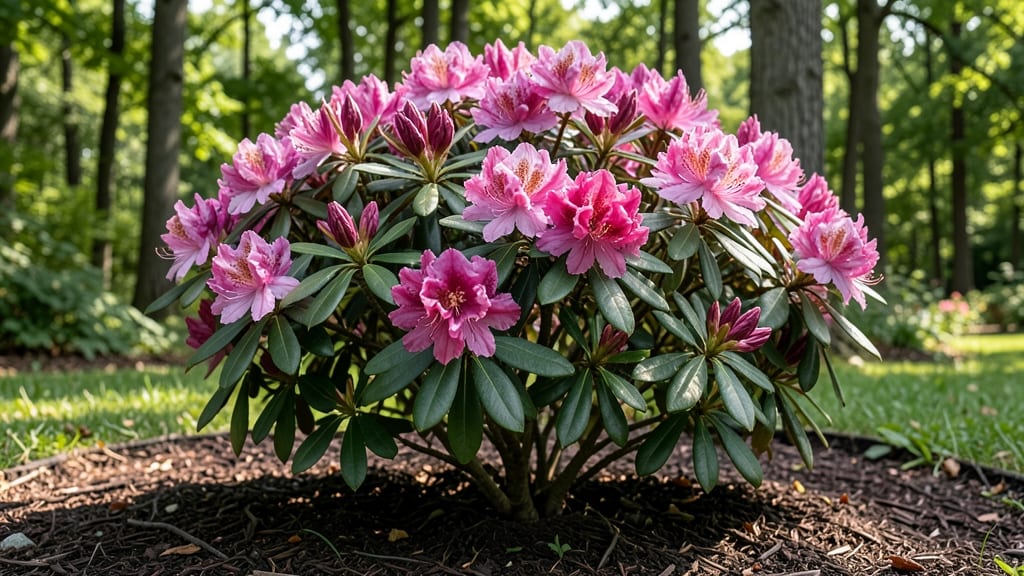
Double bloom azaleas transform your landscape into a year-round floral masterpiece—if you prune them right. 🌸 I learned the hard way that most guides leave out the key timing and technique secrets that make the difference between a single flush of blooms and continuous color.
The right cuts encourage those lush, layered flowers to keep coming back all season. The secret starts with late spring, when blooms fade but new growth is just waking up.
That’s when you shape the plant—not to cut back hard, but to open up the center for airflow and light. I’ve seen azaleas go from sparse blooms to dense, overlapping flowers after just one correct pruning session.
The trick is patience: never prune after midsummer, or you risk losing next year’s buds. You’ll end up with plants that look like they’re always in peak bloom, with vibrant clusters that attract hummingbirds and fill your yard with fragrance. The best part?
These techniques work for both container-grown and in-ground azaleas, so your patio plants get the same treatment. Fair warning: Over-pruning is the #1 mistake that turns azaleas into leggy sticks.
We’ll cover exactly how much to cut—and when—to keep your plants healthy and flowering like they’re on a permanent parade route.
📚 In This Guide
- What you need
- Instructions
- Tips and common mistakes
- Wrapping up and next steps
What you need
- ● Double Bloom Azalea Plants: 2–5 mature bushes (depending on desired coverage; choose disease-resistant varieties like 'Southern Indica' or 'Hino Crimson').
- ● Well-Draining Soil Mix: 3 parts peat moss or coconut coir, 2 parts pine bark fines, and 1 part perlite (for each planting hole, ~1 cubic yard per bush).
- ● Organic Mulch: 2–3 inches of pine straw or wood chips (spread within a 2–3 ft radius around the base).
- ● Slow-Release Fertilizer: Acid-loving plant fertilizer (e.g., Osmoote or Miracle-Gro Azalea, Camellia & Rhododendron; 1 lb per bush, applied in early spring).
- ● Pruning Tools: Bypass pruners (for clean cuts on small branches).
- ● Loppers (for thicker stems, 1–2 inches in diameter).
- ● Sharp pruning saw (for stubborn, woody growth).
- ● Disinfectant: 70% isopropyl alcohol or a 10% bleach solution (to sterilize tools between cuts).
- ● Gloves: Heavy-duty gardening gloves (to protect from thorns and sap).
- ● Measuring Tape: For spacing plants 4–6 feet apart (ensures airflow and sunlight access).
- ● Garden Hose with Nozzle: For post-pruning hydration (light misting to reduce stress).
- ● Soil pH Test Kit: To confirm acidic soil (ideal pH: 4.5–6.0; adjust with sulfur if needed).
- ○ Epsom Salt: 1 tbsp per gallon of water (optional magnesium boost for yellowing leaves).
- ● Plant Stakes & Twine: For young or top-heavy bushes (if pruning heavily in early stages).
Instructions: how to prune azaleas for double blooms
Here’s the method I’ve used to coax two stunning flower cycles from my azaleas—no special products, just timing and technique.
✂️ Step 1: Prune Immediately After First Bloom Fades
Wait until your azalea’s first flush of flowers has completely dropped its petals—this signals the plant to shift energy from blooms to next year’s buds. I like to prune in late May or early June, right after the last spent bloom falls. Use clean, sharp pruners to cut back stems just above a leaf bud or leaf pair (never leave stubs).
This first pruning removes spent blooms and shapes the plant, but the real magic happens next: those cut stems will grow new wood that will flower again in fall. I trim about one-third of the oldest stems to the ground—these are the ones that bloomed first and are now past their prime. You’ll see fresh green growth sprout within a week.
☀️ Step 2: Provide Ideal Conditions for Fall Rebloom
Azaleas need bright, indirect light and well-draining, acidic soil (pH 4.5-6.0) to produce a second flush. After pruning, I fertilize with an acid-loving plant food (like 10-10-10 or azalea-specific formula) to fuel new growth. Water deeply once a week unless it rains, keeping the soil evenly moist but never soggy.
Watch for new shoots emerging from the pruned stems—these are your future fall blooms. If your azalea’s leaves yellow or drop, it’s a sign of overwatering or poor drainage. Adjust your watering to every 5-7 days if the top 2 inches of soil feel dry. A mulch layer of 2-3 inches (like pine bark) helps retain moisture and acidity.
⏰ Step 3: Light Pruning in Early Fall for Fall Blooms
About 6-8 weeks before your first frost, give your azalea a second, lighter pruning. This time, focus on shaping the plant and removing any weak or crossing branches that could block airflow. Cut back any overly leggy growth by about one-third to encourage bushier, more compact form.
The goal here is to redirect energy to the new flower buds forming on this year’s growth. You’ll see tiny flower buds forming in late summer—don’t prune these off! Instead, let them mature. If your azalea is in a container, move it to a sheltered spot (like a porch or garage) before fall frosts to protect it.
✂️ Step 4: Winter Dormancy and Spring Prep
Leave your azalea alone through winter—it needs dormancy to set buds for next year’s blooms. In early March, before new growth starts, do a final light pruning to remove any dead, broken, or crossing branches. This keeps the plant tidy and ensures air circulates well, reducing disease risk.
Here’s the thing—if you’ve done the first three steps right, you’ll see new flower buds forming on last year’s wood and this year’s growth by late spring. Water lightly in winter (just enough to keep soil from drying out completely), and resume regular feeding in early April with an acid fertilizer. By June, you’ll have another round of blooms!
Tips & tricks for double bloom azaleas
These simple tricks will help you maximize your azalea's potential for stunning year-round blooms.
Timing is Everything: The key to double blooms lies in precise timing. In Step 1, don't rush to prune—wait until the very last petal has fallen from your azalea's first flush. This ensures the plant has fully shifted its energy from blooming to preparing for next year's growth. I've seen azaleas miss their second bloom when pruned too early, so patience here pays off with vibrant fall flowers. The one-third stem removal in late May or early June is critical—these are the oldest stems that bloomed first and are now past their prime.
Pruning Precision: When you're cutting back those one-third of oldest stems in Step 1, make your cuts just above a leaf bud or leaf pair. This is where new growth will emerge, and it's essential for creating the framework for your fall blooms. I always use clean, sharp pruners to make precise cuts—dull blades can crush stems and create entry points for disease. Remember, never leave stubs; this prevents water from pooling and causing rot. The new shoots that appear within a week are your promise of future flowers.
Soil and Light Secrets: In Step 2, maintaining the right conditions is everything. Azaleas thrive in bright, indirect light—direct sun can scorch leaves while too little light means fewer blooms. The soil pH of 4.5-6.0 is non-negotiable for these acid-loving plants. I've found that a 2-3 inch layer of pine bark mulch helps maintain both moisture and acidity perfectly. When watering, aim for that "evenly moist but never soggy" balance—your azalea's roots need oxygen too. The first week after pruning is especially important for establishing these new habits.
Fall Pruning Strategy: That light pruning in early fall (about 6-8 weeks before frost) is where you shape your azalea for its fall display. Focus on removing weak or crossing branches to improve airflow—this reduces disease risk and encourages stronger growth. When you see those tiny flower buds forming in late summer, resist the urge to prune them off. These buds are your future blooms, and removing them would be like cutting off your nose to spite your face. The goal is to redirect energy to these buds while maintaining the plant's overall shape.
Pro Tips for Double Bloom Azaleas
- These simple tricks will help you maximize your azalea's potential for stunning year-round blooms.
- Timing is Everything: The key to double blooms lies in precise timing.
- Pruning Precision: When you're cutting back those one-third of oldest stems in Step 1, make your cuts just above a leaf bud or leaf pair.
Frequently asked questions
Got questions about keeping your double bloom azaleas stunning year-round? You’re in the right place! Here are answers to the most common queries—from pruning puzzles to blooming secrets—so you can enjoy nonstop color without the guesswork.
What’s the best time to prune double bloom azaleas for two seasons of flowers?
Prune right after the first bloom cycle fades (late spring/early summer) and again lightly in late summer (August-September). Avoid heavy pruning in fall or winter—this disrupts next year’s buds! Focus on shaping and removing dead or crossing branches to encourage dense, repeat blooms.
Why aren’t my double bloom azaleas flowering a second time?
Common culprits include over-pruning in late winter (which removes next year’s buds), poor sunlight (they need 4–6 hours of sun), or over-fertilizing with high nitrogen. Try light pruning after the first bloom and switch to a balanced, acid-loving fertilizer (like 10-10-10) in early spring.
Can I prune double bloom azaleas the same way as regular azaleas?
Not quite! Regular azaleas bloom on old wood (last year’s growth), so pruning after flowering is risky. Double bloom varieties can handle light pruning twice a year because they flower on both old and new wood. Just avoid severe cuts—stick to <1/3 of the plant’s height to keep blooms coming.
Are there low-maintenance alternatives to double bloom azaleas?
Yes! Try ‘Encore Azaleas’ (rebloom without pruning) or ‘Knabitsch’ or ‘Girard’s Hybrid’—they’re hardy and flower reliably with minimal fuss. For zero-pruning options, camellias or hydrangeas (like ‘Endless Summer’) are great substitutes, though they may not bloom as densely.
How do I protect double bloom azaleas from winter damage?
Double bloom azaleas are semi-evergreen and need winter care! Mulch 3–4 inches deep around the base (but not touching the trunk) to insulate roots. In Zone 5 or colder, wrap young plants in burlap or use a frost cloth. Avoid heavy pruning in late fall—wait until spring to shape, as new growth is vulnerable to frost.
Wrapping up and next steps
Double bloom azaleas are a gardener’s dream—packed with vibrant, repeat blooms that turn your yard into a year-round canvas of color! By mastering the pruning secrets shared here, you’ve unlocked the key to lush, healthy plants that reward you with stunning flowers twice a year (or more!). 🌸
Now that you’re armed with the right tools, timing, and techniques, roll up your sleeves and get pruning! Start with just one bush this season—watch it thrive, then expand your garden’s beauty. Happy gardening! 🌿✨