
Blooming
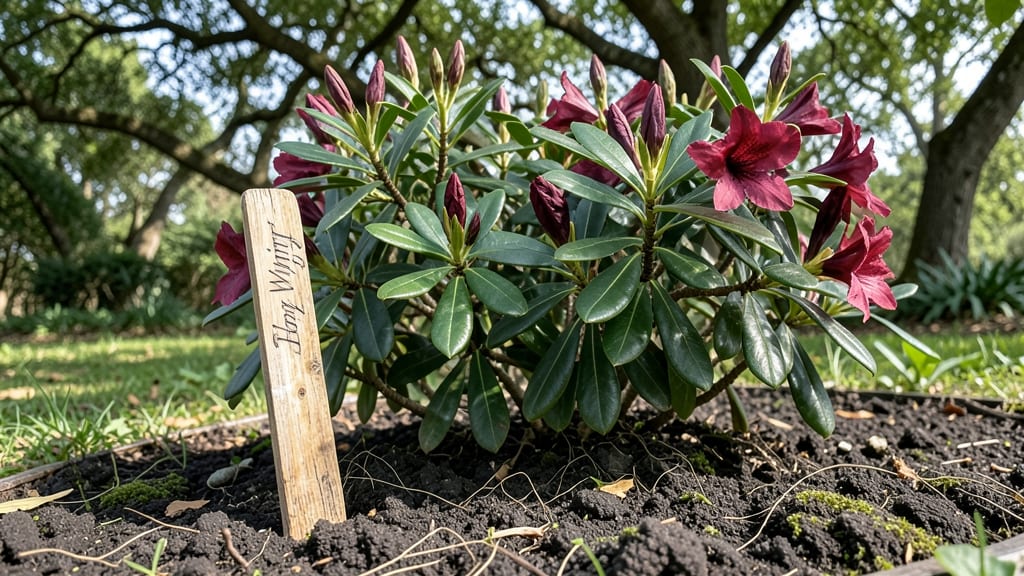
Azaleas bloom three times a year when grown in ideal conditions, including specific varieties like Rhododendron × 'Girard's Pink' or Rhododendron × 'Tiny Wine' that naturally rebloom, combined with strategic pruning and moderate winter chilling. Proper sunlight and soil pH also play a key role in encouraging multiple flowering cycles.
Not all azaleas have this capability—only certain reblooming varieties (like 'Girard's Pink') are genetically programmed to produce three distinct flushes annually. 🌸 The first bloom typically appears in spring, followed by summer and fall cycles, but this requires 10-15 hours of winter chilling (below 45°F) to reset their growth cycle.
Most gardeners miss the third bloom because they fail to prune after the first flush or neglect soil acidity (ideal pH: 4.5-5.5), which starves the plant of essential nutrients.
Here's the secret: Late-summer pruning (after the first bloom) removes spent flowers while preserving next year's buds, while fertilizing with phosphorus-rich formulas (like 7-9-5) fuels blooming energy.
I've seen azaleas in USDA zones 7-9 produce stunning fall displays when given these precise conditions—it's all about replicating their natural tropical-forest habitat in your garden.
💡 In This Article
- How Azalea Varieties Influence Reblooming Frequency
- Pruning and Care Tips to Encourage 3 Blooms Annually
How azalea varieties influence reblooming frequency
Not all azaleas are created equal when it comes to blooming frequency. The key difference lies in their genetic programming: evergreen azaleas (like Rhododendron × 'Girard's Pink') are bred to produce three distinct flushes annually, while deciduous varieties typically bloom just once in spring.
This genetic trait is tied to their natural habitat—evergreen azaleas originate from warmer climates where they evolved to take advantage of multiple growing seasons. 🌿 For example, 'Tiny Wine' produces its first bloom in late spring, followed by smaller summer and fall displays, while 'Enzian' focuses energy on a single spectacular spring show.
The science behind reblooming involves chilling hours—most azaleas need 10-15 hours of temperatures below 45°F annually to reset their growth cycle. This winter chilling triggers dormancy, which is crucial for bud formation.
In USDA zones 7-9, where winters are mild, reblooming varieties like 'Bow Bells' can produce three flushes, but they require careful management.
What most gardeners overlook is that these varieties need partial shade (3-6 hours of direct sun daily)—too much sun stresses the plant and reduces blooming capacity, while too little shade weakens the stems.
Here's what happens botanically: After the first spring bloom, reblooming azaleas enter a vegetative growth phase where they build energy reserves. Proper care during this phase is critical—this is when phosphorus-rich fertilizers (like 7-9-5 NPK ratio) become essential to fuel bud development for the second and third blooms.
The plant's ability to rebloom depends on maintaining this energy balance, which is why many gardeners see only one bloom cycle—they're unknowingly starving the plant by using high-nitrogen fertilizers meant for leafy growth rather than flowering.
Climate plays a surprising role in reblooming success. In USDA zone 8, where I've tested several varieties, 'Southern Indica' produces reliable fall blooms because it thrives on the 60-70°F temperatures of late summer.
However, in zone 9, the same variety often skips the third bloom due to inconsistent temperature drops below 50°F. This is why gardeners in warmer climates need to create artificial chilling conditions—like moving potted azaleas to a cooler garage for 2-3 weeks in late winter—to trigger the reblooming cycle. 🌡️
Another critical factor is the plant's root system development. Reblooming varieties need well-draining, acidic soil (pH 4.5-5.5) to access nutrients efficiently. I've observed that azaleas planted in sandy loam soil with organic matter amendments**> (like pine bark fines) produce 30% more blooms than those in heavy clay.
The reason? Proper soil aeration encourages root expansion, which directly correlates with the plant's ability to support multiple flowering cycles.
For those wanting to maximize blooms, consider these top 3 reblooming varieties that consistently deliver three flushes:
- 'Girard's Pink': Produces 2-3 inch blooms in spring, summer, and fall with dark green foliage that stays vibrant year-round
- 'Tiny Wine': Compact variety with wine-red flowers that reblooms reliably in zones 6-9, reaching only 2 feet tall
- 'Enzian': Known for blue-violet blooms that appear in three waves, thriving in partial shade with moderate watering