
Blooming
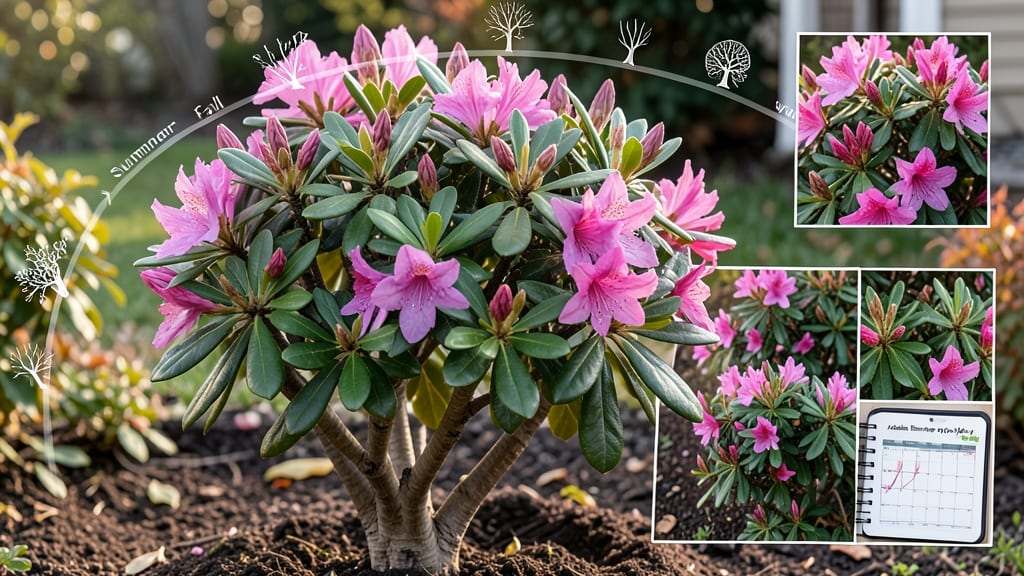
Azaleas don't bloom all year naturally, but reblooming varieties can produce flowers twice annually with the right care. Most bloom seasonally—usually in spring—while evergreen types keep their leaves year-round.
Azaleas follow nature's seasonal cues, with most varieties flowering just once per year when daylight hours and temperatures trigger their blooming cycle. 🌸 The key difference lies in reblooming types, which need consistent care—like pruning after flowering and balanced fertilization—to coax a second bloom later in the year.
Evergreen azaleas may look lush year-round, but their flowers still follow seasonal patterns unless you're growing a specific reblooming cultivar.
Understanding your azalea's type is crucial: spring-bloomers rely on winter chilling, while rebloomers need ongoing maintenance. I've found that afternoon shade and acidic soil (pH 4.5-6.0) make the biggest difference in encouraging repeat blooms. Even then, don't expect year-round flowers—just an extended season with proper care.
💡 In This Article
- Azalea Blooming Seasons: Natural Cycles and Varietal Differences
- How to Encourage Reblooming in Azaleas: Pruning, Fertilizing, and Care Tips
Azalea blooming seasons: natural cycles and varietal differences
Azalea blooming follows strict seasonal cues tied to photoperiodism—the plant's response to daylight length. Most varieties need 10-12 weeks of winter chilling (temperatures between 30-50°F) to trigger flower buds, which explains why spring is their primary bloom season.
This natural cycle mirrors how deciduous trees prepare for growth after dormancy. 🌸 The buds form in late summer/early fall, then remain dormant until warm temperatures and longer daylight hours signal it's time to bloom.
Here's where things get interesting: reblooming azaleas (like 'Encore' or 'Southern Indica') break this rule by producing a second flush of flowers in late summer/fall. These varieties require consistent care—particularly balanced fertilization with higher phosphorus (the middle number on NPK labels) to support multiple bloom cycles.
The trade-off? Their first spring bloom may be slightly less abundant than single-blooming types. Evergreen azaleas, while keeping leaves year-round, still follow seasonal blooming patterns unless you're growing a reblooming cultivar.
The science behind this involves plant hormones called florigenes, which regulate flowering. In single-blooming types, these hormones spike once per year after chilling requirements are met. Rebloomers, however, maintain lower but consistent florigen levels through proper care, allowing for secondary blooms.
Think of it like training a runner to complete two marathons instead of one—it takes extra fuel and preparation. 💫
Daylight hours also play a crucial role. Azaleas typically need 12-14 hours of daylight to trigger blooming, which is why spring (increasing daylight) and fall (decreasing daylight) are prime times.
This is why azaleas planted in northern climates often bloom later than those in southern regions—there's simply less natural daylight to trigger the process. The exception? Some tropical azalea varieties that bloom year-round in warm climates, though they're not cold-hardy for most gardens.
Soil conditions matter too. Azaleas thrive in acidic soil (pH 4.5-6.0), which mimics their natural forest floor habitat. The right pH helps them absorb nutrients efficiently, supporting stronger blooms.
I've seen azaleas in alkaline soil (pH 7.0+) struggle to bloom at all—they might produce leaves but often skip flowering entirely. This is because alkaline conditions lock out essential micronutrients like iron and manganese, which are critical for flower development. 🌿
What most gardeners don't realize is that azalea blooming is also influenced by the previous year's growth. Healthy foliage from last season means more energy for this year's flowers.
That's why proper pruning (removing spent blooms and shaping in late spring) is so important—it redirects the plant's energy toward next year's buds. The key is timing: prune after flowering to avoid cutting off next year's blooms.