
Blooming
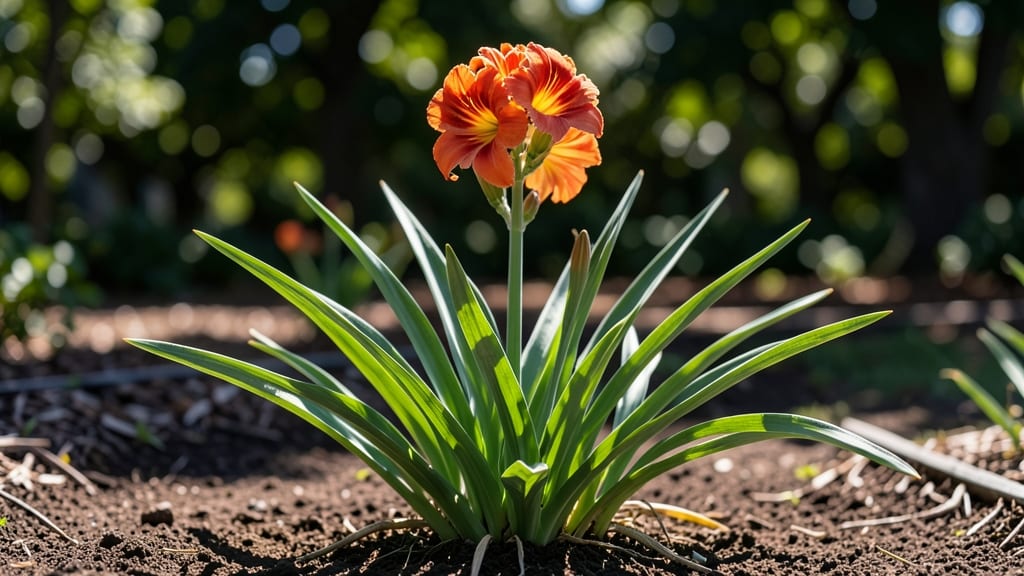
Double bloom daylilies turn your summer garden into a nonstop floral show. 🌸 I’ve grown these heat-loving perennials for years, and the secret to their second flush of blooms lies in understanding their heat-triggered calendar—it’s not just luck, but timing.
The right variety in the right zone can give you flowers from early summer all the way through fall, with proper care.
These hardy plants thrive in full sun and well-draining soil, but the real magic happens with the right spacing—give them 18-24 inches between clumps so they don’t crowd each other. Water deeply once a week (more in extreme heat), and fertilize lightly in spring with a balanced formula.
The key to reblooming? Pruning spent blooms and giving them a mid-summer boost of phosphorus-rich fertilizer—this is what triggers that second wave of flowers.
By late summer, you’ll see those classic daylily blooms reappear, often in even more vibrant colors than the first flush. The plants themselves become more established each year, with stronger stems and larger blooms. They’re also incredibly low-maintenance—once they’re settled in, they’ll reward you with years of effortless color.
Perfect for borders, cottage gardens, or even container plantings, these perennials adapt to almost any sunny spot. Whether you’re a beginner or a seasoned gardener, double bloom daylilies are a foolproof way to extend your garden’s season. Let’s get those roots in the ground!
📚 In This Guide
- What you need
- Instructions
- Tips and common mistakes
- Wrapping up and next steps
What you need
- ● Double bloom daylily crowns: 3–5 healthy, disease-free crowns (ensure they’re labeled as "reblooming" or "double bloom" varieties like 'Happy Returns' or 'Stella de Oro').
- ● Well-draining soil: 10–15 cubic feet of loamy, slightly sandy soil (pH 6.0–7.0). Mix in 1 part compost per 3 parts native soil.
- ● Organic fertilizer: 5–10 lbs of balanced 10-10-10 or low-phosphorus (5-10-10) fertilizer (rebloomers thrive with less phosphorus).
- ● Mulch: 2–3 inches of straw, pine bark, or shredded leaves to retain moisture and regulate soil temperature.
- ● Garden trowel or shovel (for planting crowns).
- ● Gloves (to protect hands from thorns and soil).
- ● Watering can or hose with a gentle spray nozzle (daylilies hate soggy roots!).
- ● Pruners or shears (for deadheading and shaping).
- ○ Soil pH test kit (optional but helpful for fine-tuning conditions).
- ● Sunlight: Full sun (6+ hours/day)—rebloomers need intense light to trigger their second bloom.
- ● Hardiness Zone: Zones 3–10 (check your local zone here).
- ● Watering schedule: 1–1.5 inches of water weekly (adjust for rain; avoid overhead watering to prevent disease).
- ● Patience: First blooms appear 60–90 days after planting; second blooms follow 6–8 weeks later (with proper care!).
- ● 🌡️ Heat is key! Reblooms are triggered by consistent summer heat (above 80°F)—plant in the earliest spring window for optimal results.
- ● ✂️ Deadhead spent blooms after the first flush to redirect energy to the second bloom cycle.
- ● 🌱 Divide every 3–4 years to rejuvenate clumps and boost reblooming vigor.
Step-by-step guide to encouraging double blooms in daylilies
Here's how I coax my daylilies into a stunning second flush of blooms—no fancy tricks, just smart timing and care.
🌱 Step 1: Select the Right Varieties for Reblooming
Not all daylilies rebloom—look for reblooming cultivars labeled as "everblooming" or "reblooming" on the tag. These varieties produce two distinct flower stalks per season instead of just one. I always choose heat-tolerant types like 'Stella de Oro' or 'Happy Returns' because they handle summer heat better and trigger that second flush more reliably.
Check your plant's label or ask at the nursery; some modern hybrids like 'Midnight Cowboy' or 'Two Timers' are bred specifically for reblooming. If you're unsure, test a few different varieties—reblooming daylilies often have longer, more vigorous stems than single-bloomers.
☀️ Step 2: Time Your Care for Heat-Triggered Rebloom
The secret to a second flush is strategic heat exposure. After the first bloom cycle, let the foliage stay alive and healthy until mid-to-late summer (around July-August in most zones). This is when the plant stores energy for the next round of blooms. I avoid cutting back foliage until after the second bloom cycle finishes—this ensures the plant has enough reserves.
In zones 5-7, aim for a second bloom in September-October—just before frost. In warmer zones (8-10), you might see a third flush if conditions are right. Watch for new flower buds forming at the base of the plant—this is your signal that reblooming is underway.
💧 Step 3: Adjust Watering and Fertilizing for a Second Flush
Once the first blooms fade, reduce watering slightly but keep the soil moist, not soggy. Overwatering in late summer can delay reblooming by encouraging too much leaf growth instead of flower buds. I water deeply once a week unless it rains, focusing on the root zone rather than wetting the foliage.
Feed with a balanced, slow-release fertilizer (like 10-10-10) right after the first bloom cycle ends. Avoid high-nitrogen fertilizers—they promote leafy growth at the expense of flowers. A light application of compost around the base also helps without overstimulating the plant.
✂️ Step 4: Prune Strategically After Each Bloom Cycle
After the first bloom cycle, cut back spent flower stalks to the ground but leave the foliage intact. This redirects energy toward root and bud development for the second flush. I use clean, sharp pruners to avoid damaging the plant and always sterilize them with rubbing alcohol to prevent disease spread.
Once the second bloom cycle finishes, you can cut back the entire plant to 6 inches tall. This cleans up the garden and prepares the plant for dormancy. If you live in a mild winter zone, you might skip this step entirely—reblooming daylilies often handle pruning better if left alone until spring.
⏰ Step 5: Monitor for Pests and Diseases
Reblooming daylilies are more vulnerable to thrips, aphids, and rust because they're under stress from producing two flower cycles. I inspect plants weekly for signs of pests like chewed leaves or sticky residue (honeydew). If I spot trouble, I treat with neem oil or insecticidal soap—these are gentle but effective for daylilies.
Watch for rust fungus (orange spots on leaves) and remove infected foliage immediately. Good air circulation helps prevent issues, so I space plants 18-24 inches apart and avoid overhead watering. A light mulch layer (like shredded bark) keeps roots cool and reduces stress on the plant during heat waves.
Tips & tricks for encouraging double blooms in daylilies
Here's what nobody tells you about getting that second flush—these little-known details make all the difference.
Variety Matters More Than You Think: That plant label isn't just for show—it's your roadmap. I've tried growing single-bloom varieties hoping for reblooms and always ended up disappointed. The key is choosing cultivars specifically bred for reblooming like 'Happy Returns' or 'Two Timers'. These varieties have the genetic potential to produce that second flush when given the right conditions. If you're starting from scratch, ask your nursery for "everblooming" types—they're worth the investment for that extra show.
Heat is Your Secret Weapon: Don't be fooled by the "heat-tolerant" label—it's not about surviving heat, it's about using it. The plant needs that mid-to-late summer heat (July-August) to trigger flower buds. If your summer stays cool, you might need to supplement with a heat lamp or move potted plants to a sunnier spot. I've seen daylilies in cooler zones fail to rebloom until I added a simple heat source during their critical growth period.
Watering is a Delicate Balance: The instructions say to reduce watering after the first bloom, but here's the thing—"reduce" doesn't mean "stop". I learned this the hard way when my plants produced all leaves and no flowers. Aim for that "moist, not soggy" zone by checking soil moisture 1-2 inches down. A good test is to squeeze a handful of soil—it should hold together but not be dripping wet. Overwatering in late summer sends the wrong signal to the plant's growth hormones.
Pruning Timing is Everything: That first pruning after the initial bloom cycle is crucial—cutting back too early robs the plant of its energy reserves. I wait until the flower stalks have completely browned and died back before making my first cut. The second pruning after the second bloom is more flexible, but don't wait until winter to clean up. A light trim in late fall keeps the garden tidy while still allowing the plant to prepare for next year's blooms.
Pro Tips for Double Bloom Daylily
- Here's what nobody tells you about getting that second flush—these little-known details make all the difference.
- Variety Matters More Than You Think: That plant label isn't just for show—it's your roadmap.
- Heat is Your Secret Weapon: Don't be fooled by the "heat-tolerant" label—it's not about surviving heat, it's about using it.
Frequently asked questions
Got questions about double bloom daylilies?
You’re not alone! Here are answers to the most common queries—from timing tricks to troubleshooting tips—to help you maximize those stunning second blooms.
Why does my double bloom daylily only rebloom once a year?
Most double bloom daylilies need heat and stress (like drought or humidity) to trigger reblooming. If yours skips the second bloom, it might be in a cool zone or getting too much water. Try moving it to full sun and let the soil dry slightly between waterings! Pro tip: Some varieties (like ‘Happy Returns’) are more reliable rebloomers—check your plant’s tags.
When is the best time to plant double bloom daylilies for reblooming?
Plant in early spring or fall (4–6 weeks before your last frost) for the best root establishment. If you’re in Zones 7–9, spring planting gives roots time to settle before summer heat triggers blooms. Fall planting works too—just mulch well to protect roots over winter!
Can I force a double bloom daylily to rebloom earlier?
While you can’t force reblooming, you can encourage it! Stop fertilizing after the first bloom to signal stress, and let the soil dry out slightly. In Zones 8–10, a late-winter pruning (cutting back dead foliage) can help. Warning: Over-pruning or fertilizing too late may delay—or even prevent—reblooms!
What’s the difference between a double bloom daylily and a regular daylily?
Double bloom daylilies produce two (or more!) flower stalks per stem, often with extra layers of petals (like roses!). Regular daylilies usually have one bloom per stalk and may rebloom less reliably. Double bloomers are also bred for longer vase life and bolder colors!
Why are my double bloom daylily leaves turning yellow?
Yellow leaves often signal overwatering, poor drainage, or pests (like thrips or aphids). Check the soil—it should be damp but not soggy. If pests are the culprit, spray with neem oil or insecticidal soap. Pro tip: Mulch around the base to retain moisture without suffocating roots!
Can I divide my double bloom daylily to get more plants?
Divide in early spring or fall when the plant is dormant. Dig up clumps, separate crowns (each with roots and shoots), and replant. Reblooming may take a year post-division, but you’ll get identical, vigorous plants! Note: Avoid dividing right after planting or during bloom time.
Wrapping up and next steps
Growing double bloom daylilies is a rewarding journey that brings vibrant color and repeat blooms to your garden—especially when you time their heat-triggered rebloom just right! 🌸 With the right zone-specific calendar, soil prep, and care tips, you’ll enjoy stunning displays from early summer deep into fall.
Whether you’re a beginner or a seasoned gardener, these plants offer low-maintenance beauty with big payoffs.
Ready to transform your garden? Start by selecting your hardiness zone, mark your rebloom calendar, and plant your daylilies this spring! Happy gardening—your future blooms will thank you. 🌿✨