
Blooming
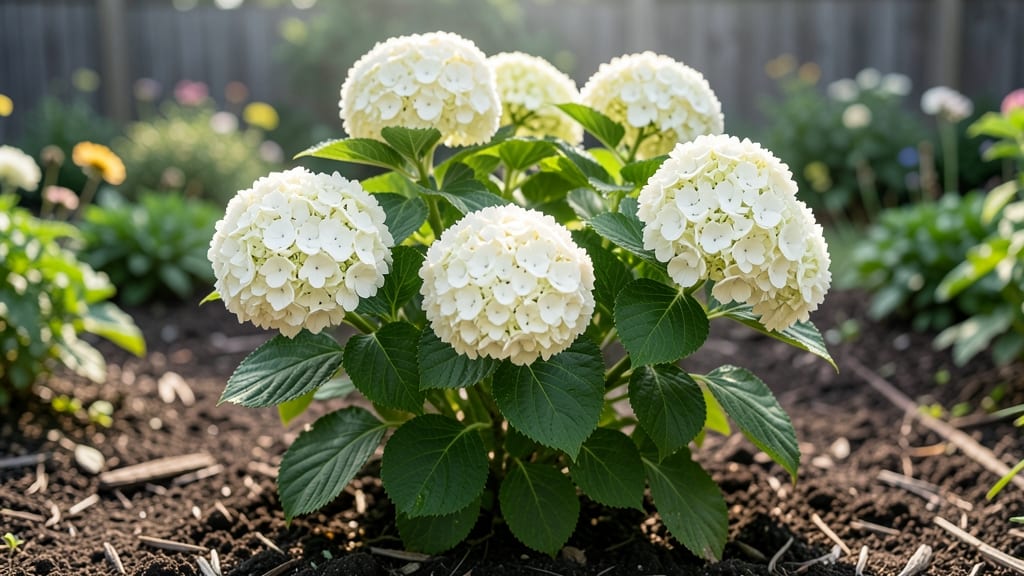
Double-blooming hydrangeas put on two stunning shows in one season—first in spring, then again in fall. 🌸 The secret lies in how you prune, feed, and water these varieties, which are different from single-blooming types that only flower once.
I’ve grown them for years, and I’ll show you exactly how to coax that second flush of blooms every time.
These hydrangeas thrive in partial shade with moist, well-draining soil—think rich, slightly acidic mix with plenty of organic matter. Most gardeners overwater or prune at the wrong time, which kills blooms.
The key is late-winter pruning (just after the first frost) to shape the plant while leaving next year’s flower buds intact. Feed them with balanced fertilizer in early spring and again after the first bloom.
By mid-summer, you’ll see those first flowers fade, and with the right care, new buds form for a second show in September or October. The blooms stay vibrant longer if you deadhead spent flowers and mulch heavily to keep roots cool.
Even in hot climates, these varieties deliver two rounds of color when given the proper attention.
Troubleshooting blooming failures comes down to two things: pruning too late (after buds form) or not enough water during dry spells. I’ve seen hydrangeas bounce back from both—just adjust your timing and keep the soil consistently moist.
The payoff? A garden that stays stunning from spring through fall, with minimal extra effort.
📚 In This Guide
- What you need
- Instructions
- Tips and common mistakes
- Wrapping up and next steps
What you need
- ● Double Bloom Hydrangea Plants: Choose reblooming varieties like 'Endless Summer', 'Annabelle', or 'Limelight' (1-3 plants, depending on desired coverage).
- ○ Well-Draining Soil: Mix 1 part peat moss or coconut coir with 2 parts garden soil (pH 5.2–6.0 for optimal blooms). Optional: Add 1 cup perlite or sand per cubic foot for drainage.
- ● Organic Fertilizer: Balanced 10-10-10 or hydrangea-specific fertilizer (follow package rates). Pro tip: Use alfalfa meal or compost for slow-release nutrients!
- ● Mulch: 2–3 inches of shredded bark or pine needles to retain moisture and regulate soil temp.
- ● Garden Gloves (1 pair, heavy-duty for handling soil/roots).
- ● Trowel or Spade (for digging—6–8 inches deep for planting).
- ● Pruning Shears (sharp, bypass-style for clean cuts).
- ● Watering Can or Hose (with gentle spray nozzle to avoid damaging blooms).
- ○ pH Test Kit (to monitor soil acidity—optional but helpful for color control!).
- ○ Stakes or Trellis (if planting near fences/walls for support—optional for large varieties).
- ● Sunlight: Partial shade (4–6 hours of morning sun) is ideal; avoid harsh afternoon rays.
- ● Water Access: Consistent moisture (hydrangeas hate drought!).
- ● Patience: Rebloomers may take 1–2 years to reach full flowering potential.
Step-by-Step guide to year-round hydrangea color
Here's how I coax reblooming hydrangeas into vibrant, continuous displays—no matter the season.
🌿 Step 1: Select and Plant Reblooming Varieties
Choose varieties like 'Endless Summer', 'Nikko Blue', or 'Limelight'—these produce two flushes of blooms annually. Plant in partial shade to full sun (morning sun with afternoon shade works best), protecting them from harsh afternoon rays that can scorch leaves. The ideal spot gets at least 4-6 hours of filtered light daily.
Dig a hole twice as wide as the root ball but only as deep. Amend the native soil with 2-3 inches of compost mixed into the bottom third of the hole—this improves drainage while retaining moisture. Rebloomers need consistent moisture but despise soggy roots. I always water deeply after planting to settle the soil around roots and eliminate air pockets.
☀️ Step 2: Time Pruning for Maximum Blooms
Prune rebloomers immediately after flowering in late fall or early winter (December-January). This removes spent blooms and encourages next year's buds to form on new growth. Never prune in spring—you'll cut off the current season's flower buds before they open. Use clean, sharp pruners to make cuts just above a leaf node or outward-facing bud.
Remove 10-20% of the oldest wood each year to maintain vigor. Look for stems that are thicker than a pencil—these are the oldest and should be cut back to ground level. Thin out crowded stems to improve air circulation, which prevents fungal diseases like powdery mildew. I always sterilize my pruners with rubbing alcohol between cuts to prevent spreading pathogens.
💧 Step 3: Master Soil and Watering for Vibrant Color
Rebloomers thrive in slightly acidic soil (pH 5.5-6.2). Test your soil and amend with sulfur or aluminum sulfate if needed—this affects flower color (blue vs. pink). Water deeply 2-3 times per week during the growing season, aiming for 1-1.5 inches of water. Let the top 2-3 inches of soil dry between waterings to prevent root rot.
Mulch annually with 2-3 inches of organic mulch (like shredded bark) to retain moisture and regulate soil temperature. Keep mulch 3-4 inches away from the stem to prevent rot. I always water at the base rather than overhead to reduce fungal spores. The key is consistency—rebloomers respond poorly to drought stress or waterlogged conditions.
✂️ Step 4: Feed and Maintain for Continuous Blooms
Apply a balanced, slow-release fertilizer (10-10-10) in early spring (March-April) and again in mid-summer (July-August). Avoid high-nitrogen fertilizers—they promote leafy growth at the expense of flowers. I use ½ cup per plant for established shrubs, spread evenly around the root zone and lightly scratched into the soil.
Deadhead spent blooms throughout the season to encourage new flower production. Cut back to the first set of leaves below the bloom head. This isn't just for looks—it redirects the plant's energy toward producing more flowers. I also monitor for pests like lace bugs or scale, which can stress the plant. A strong blast of water usually dislodges them, but severe infestations may require horticultural oil.
🌱 Step 5: Winter Care for Next Year's Blooms
Rebloomers need some winter chill (30-50 days below 40°F) to set flower buds for next season. In cold climates, protect young plants with 4-6 inches of mulch after the ground freezes. In mild winters, I leave plants uncovered—they handle frost better than you'd think.
Prune only lightly in late winter (February) if needed, removing any dead or damaged wood. Avoid heavy pruning until after flowering. The goal is to prepare the plant for spring growth without disturbing the dormant buds. I always check for bud swell in early spring—that's my signal that the plant is ready for new growth and another season of color.
Tips & tricks for perfect year-round hydrangea blooms
These practical insights will help you transform your reblooming hydrangeas into a nonstop floral display throughout all four seasons.
Lighting Strategy: The 4-6 hours of filtered light mentioned in Step 1 is crucial—rebloomers need morning sun to fuel photosynthesis while avoiding afternoon sunburn. If your garden gets intense afternoon sun, consider planting on the east side of structures or using shade cloth (30-50% coverage) during peak hours. I've seen dramatic color differences between plants getting morning sun versus those exposed to harsh afternoon rays.
Pruning Precision: When removing 10-20% of oldest wood in Step 2, focus on stems thicker than a pencil—these are the true culprits of reduced vigor. Make your cuts just above a leaf node or outward-facing bud to encourage new growth in the right direction. I always mark stems with a paint pen before cutting to visualize the plant's structure and make more intentional decisions about which branches to remove.
Soil Science: The slightly acidic soil range (pH 5.5-6.2) in Step 3 isn't just arbitrary—it directly affects flower color chemistry. For blue blooms, aim for the lower end (5.5-6.0), while pink flowers prefer the upper range (6.0-6.2). I test my soil annually using a simple home kit and adjust with sulfur or aluminum sulfate as needed. Remember that aluminum sulfate takes about 2-3 weeks to fully acidify the soil, so plan accordingly.
Watering Wisdom: The 1-1.5 inches of water recommendation in Step 3 should be delivered consistently—rebloomers hate fluctuations. I use a rain gauge to track weekly rainfall and supplement only when we've received less than 1 inch. During extreme heat, I increase to 2 inches per week but always let the top 2-3 inches dry between waterings to prevent root rot. Mulching with 2-3 inches of organic material creates a moisture reservoir that reduces evaporation and keeps roots cool.
Pro Tips for Double Bloom Hydrangea
- These practical insights will help you transform your reblooming hydrangeas into a nonstop floral display throughout all four seasons.
- Lighting Strategy: The 4-6 hours of filtered light mentioned in Step 1 is crucial—rebloomers need morning sun to fuel photosynthesis while avoiding afternoon sunburn.
- Pruning Precision: When removing 10-20% of oldest wood in Step 2, focus on stems thicker than a pencil—these are the true culprits of reduced vigor.
Frequently asked questions
about double bloom hydrangeas—because every gardener deserves a little clarity!Why aren’t my double bloom hydrangeas reblooming?
Reblooming varieties like Endless Summer or Annabelle may skip their second flush due to late pruning (after early summer), over-fertilizing with high nitrogen, or stress (drought, extreme heat, or transplant shock). Prune in late winter/early spring and deadhead spent blooms to encourage new growth. Pro tip: Mulch to retain moisture and avoid heavy feeding after midsummer.
When is the best time to plant double bloom hydrangeas?
The ideal window is early spring (after last frost) or fall (6 weeks before first frost). Planting in spring gives roots time to establish before summer heat, while fall planting benefits from cooler temps and winter moisture. Avoid planting in mid-summer—young roots can’t handle heat stress. Bonus: Soak roots in water for 1–2 hours before planting!
Can I change the color of my double bloom hydrangeas?
Yes! Soil pH directly affects bloom color:
- Blue/purple: Aim for pH 5.2–5.5 (add aluminum sulfate or peat moss).
- Pink/red: Raise pH to 6.0–7.0 (use lime or wood ash).
- Green: Test soil—neutral pH (around 6.0) often produces green blooms.
Are double bloom hydrangeas high-maintenance?
Not at all! They’re low-maintenance but thrive with:
- Morning sun + afternoon shade (prevents leaf scorch).
- Well-draining soil (amend clay with compost).
- Consistent watering (1–1.5 inches/week; mulch to retain moisture).
- Light pruning (remove dead stems in early spring, shape in late winter).
What’s the best alternative if I want year-round blooms but hate hydrangeas?
Try these reblooming superstars for continuous color:
- Spiraea japonica (‘Goldflame’ or ‘Anthony Waterer’): Compact, heat-tolerant, and blooms spring to fall.
- Butterfly Bush (Buddleia): Drought-resistant and attracts pollinators (prune hard in late winter!).
- Abelia (‘Kaleidoscope’): Glossy leaves + pink/white blooms from spring to frost.
- Dwarf Fothergilla: Fragrant spring blooms + fiery fall foliage.
Wrapping up and next steps
Double bloom hydrangeas are your ticket to a year-round garden showstopper—packed with lush, repeat blooms and vibrant colors! 🌸 With the right care, like proper pruning, soil prep, and seasonal maintenance, you’ll enjoy two stunning flower cycles instead of just one.
Whether you’re a gardening pro or just starting, these secrets make it easier than ever to keep your hydrangeas thriving.
Ready to transform your garden? Start by planting one reblooming variety this season—like ‘Endless Summer’ or ‘Limelight’—and watch your outdoor space bloom with confidence! 🌿