
Blooming
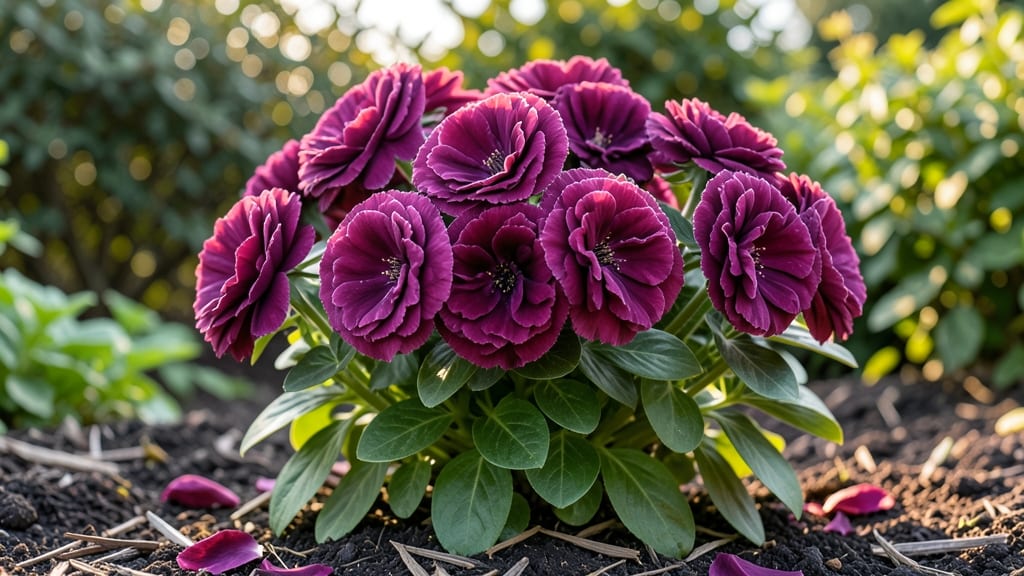
Double bloom petunias produce their most vibrant second flush of flowers when you deadhead spent blooms regularly and provide consistent care after their first summer flowering, including strategic late-summer pruning, balanced fertilization, and proper moisture levels.
These plants respond beautifully to a few key triggers that encourage reblooming. 🌸 The first step is removing faded flowers, which redirects the plant's energy from seed production to new growth.
I've found that late-summer pruning—cutting back about one-third of the plant—stimulates bushier growth, while a balanced fertilizer (like 10-10-10) provides the nutrients needed for fall blooms. Consistent moisture without waterlogging keeps roots healthy, and placing them in bright, indirect light helps maintain their flowering cycle.
What sets double bloom varieties apart is their ability to produce two distinct flowering periods in a single season. Unlike single-bloom types, they store energy in their roots during the first flush, allowing them to rebound with vibrant color again in cooler months.
This makes them perfect for extending your garden's seasonal interest well into autumn.
💡 In This Article
- Science Behind Petunia Reblooming: Triggers and Growth Cycles
- Step-by-Step Guide to Reviving Double Bloom Petunias for Fall Color
Science behind petunia reblooming: triggers and growth cycles
Double bloom petunias trigger their second flowering cycle through a fascinating interplay of plant physiology. When you remove spent blooms (deadheading), you eliminate the plant's natural signal to produce seeds. This redirection of energy from seed development to vegetative growth stimulates new flower buds.
The process involves hormonal shifts—specifically, a decrease in ethylene production (which promotes seed formation) and an increase in auxin, which encourages lateral branching and flower formation. 🌿
The timing of reblooming is closely tied to photoperiod sensitivity. Petunias respond to shorter daylight hours in late summer, which signals the transition from the first flowering phase to the second. Ideal temperatures for this cycle range between 65-75°F during the day and 55-65°F at night.
Cooler fall temperatures actually enhance flower production, as the plant conserves energy and focuses resources on blooms rather than foliage growth. This is why you often see the most vibrant fall color when petunias are planted in regions with mild autumns.
Root health plays a critical role in this process. Petunias store carbohydrates in their roots during the first flowering period, creating an energy reserve for the second bloom. Consistent moisture—about 1 inch per week—prevents root stress while ensuring nutrients are transported efficiently.
Overwatering or drought can disrupt this balance, leading to weak stems or sparse blooms. The plant's ability to rebound depends entirely on how well these reserves are maintained throughout the season.
Light exposure influences reblooming too. Petunias need at least 6-8 hours of direct sunlight daily to maintain strong flowering. In lower-light conditions, they'll produce more foliage at the expense of blooms.
I've noticed that containers placed on east-facing patios receive gentle morning sun, which helps prevent leaf scorch while still providing enough light for consistent blooming. The key is finding that sweet spot where the plant gets enough light to thrive but isn't stressed by harsh afternoon rays.
Another critical factor is the plant's genetic makeup. Double bloom varieties have been selectively bred to extend their flowering season by producing flowers from the base of the stem rather than just the tips.
This trait allows them to continue blooming even as the plant matures, unlike single-bloom types that focus all their energy on one flush. The result is a plant that can produce vibrant color from early summer through frost, with proper care. 🌸
What most gardeners overlook is how pruning affects this cycle. When you cut back the plant by about one-third in late summer, you're not just shaping it—you're encouraging the development of new, stronger stems that will support the fall blooms.
This pruning triggers a hormonal response that promotes bushier growth, which in turn creates more sites for flower buds to form. The timing is crucial: prune too early, and you might miss the first bloom; too late, and the plant won't have time to recover before cooler weather sets in.