
Blooming
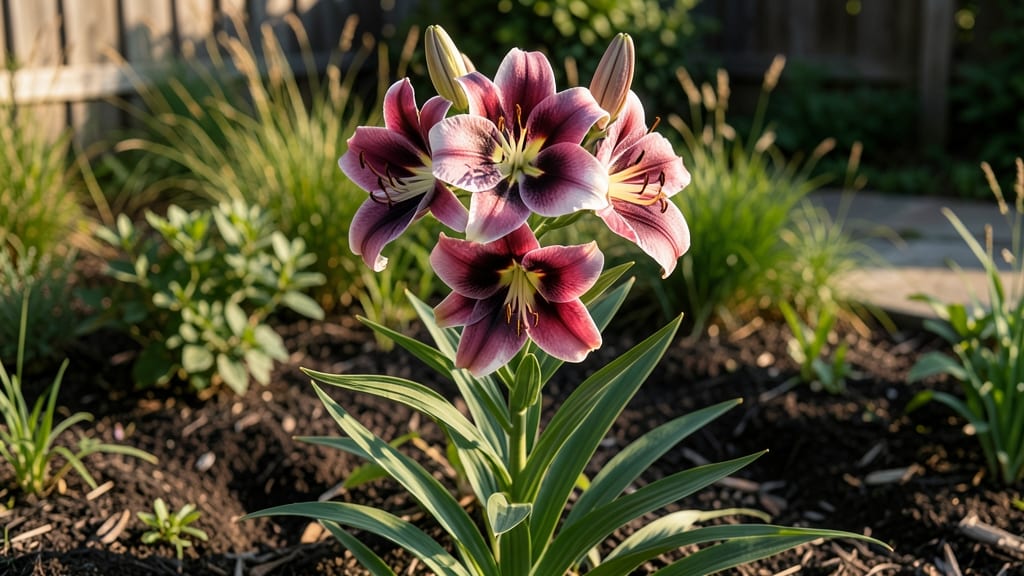
Double bloom lilies transform your garden into a jewel-toned explosion every summer—if you nail the timing and care. 🌸 I’ve grown these showstoppers for years, and the difference between a handful of blooms and a lush, multi-flowered stem comes down to planting, feeding, and patience.
These aren’t your grandmother’s single-stem lilies; they’re the drama queens of the garden, with two to six blooms per stalk when done right.
The secret starts with well-draining soil and a sunny spot—at least 6 hours of direct light daily. Plant bulbs in fall (October-November) in zones 3-9, about 6 inches deep and 6 inches apart, so they have room to flex their double-bloom muscles.
Overcrowding? You’ll get fewer, smaller flowers. Feed them with bulb-specific fertilizer in early spring, then again after the first blooms fade to encourage that second flush.
By midsummer, you’ll be rewarded with stems heavy with blooms, each one a double or triple the size of standard lilies.
The key to keeping them coming? Deadhead spent blooms (but leave the seed pods if you want more bulbs next year) and water deeply once a week—never soggy soil. These beauties also make stunning cut flowers, lasting 7-10 days in a vase, their fragrance filling the room.
Works in borders, containers, or as a dramatic focal point—just avoid planting near windy spots where those top-heavy stems might flop. And here’s the plot twist: double bloomers need more phosphorus than single-stem varieties.
A little extra bone meal at planting time makes all the difference. Let’s get those bulbs in the ground!
📚 In This Guide
- What you need
- Instructions
- Tips and common mistakes
- Wrapping up and next steps
What you need
- ● Double Bloom Lily Bulbs: 2–5 bulbs (depending on desired cluster size; larger quantities for borders or mass planting).
- ● Varieties: Choose from ‘Black Out,’ ‘Casa Blanca,’ ‘Stargazer,’ ‘Mona Lisa,’ or ‘Lollipop’ for guaranteed double blooms.
- ● Well-Draining Soil: 1–2 cubic yards (mix of 50% garden soil, 30% compost, and 20% perlite/sand).
- ● Garden Fork or Tiller: For loosening soil to a depth of 12–18 inches.
- ● Planting Hole: Dig holes 6–8 inches deep and 12 inches apart (or 18 inches for larger varieties).
- ● Slow-Release Fertilizer: 10-10-10 NPK (1 cup per 5 square feet of bed).
- ● Mulch: 2–3 inches of organic mulch (e.g., straw or shredded bark) to retain moisture.
- ● Watering Can or Hose with Soaker Nozzle: For gentle, deep watering.
- ● Soil pH Test Kit: Ensure pH is between 6.1–7.0 (lilies thrive in slightly acidic to neutral soil).
- ● Epsom Salt: 1 tablespoon per bulb at planting time for magnesium boost (promotes vibrant blooms!).
- ● Stakes or Trellis: For tall varieties like ‘Casa Blanca’ (6–8 feet) to prevent flopping.
- ● Drip Irrigation System: Automates watering for consistent moisture (critical during bloom time!).
- ● Bulb Fertilizer Spikes: Convenient for mid-season feeding (follow package instructions).
Instructions: precision planting for double bloom lilies
Here’s how to coax those showstopping double blooms—it’s all about timing, soil, and a little patience.
🌱 Step 1: Select and Prepare the Right Bulbs
Choose double-blooming lily varieties like ‘Stargazer’, ‘Casa Blanca’, or ‘Black Out’—these are bred for dramatic petal layers. Inspect each bulb for firm, papery skins and discard any that feel soft or moldy. I like to soak bulbs in lukewarm water with a fungicide for 30 minutes before planting to prevent rot.
Timing matters: Plant bulbs in fall (6-8 weeks before first frost) for spring blooms, or in early spring (after soil warms to 60°F) for summer color. Double bloomers need a long growing season to develop their extra petals, so don’t rush planting. Dig holes 6-8 inches deep and 6 inches apart—deeper for clay soil, shallower in sandy mixes.
🪴 Step 2: Amend Soil for Rich, Well-Draining Growing Conditions
Double bloomers demand fertile, well-draining soil—amend garden beds with 2-3 inches of compost and a handful of bone meal fertilizer (10-10-10) at planting time. Lilies hate soggy roots, so mix in sand or perlite if your soil compacts easily. I test drainage by digging a hole, filling it with water, and checking if it drains within an hour.
Position bulbs with the pointed end facing up—this ensures roots grow downward and shoots emerge straight. Cover with soil and water deeply to settle everything. Double bloomers need consistent moisture but won’t tolerate standing water. Mulch with 2 inches of straw or shredded leaves to retain moisture and protect bulbs from winter heaving.
☀️ Step 3: Provide Full Sun and Strategic Fertilizing
Double bloomers thrive in full sun (6-8 hours daily), but in scorching climates, afternoon shade prevents leaf scorch. I stake taller varieties like ‘Casa Blanca’ at planting to avoid wind damage—use 3-foot bamboo stakes tied loosely with twine. Fertilize lightly in early spring with a balanced 10-10-10 formula, then again when flower buds form in late spring.
Watch for first true leaves (not the early shoots) to appear in 4-6 weeks. This is your cue to reduce nitrogen—too much greenery at this stage weakens blooms. Instead, switch to a low-nitrogen, high-phosphorus fertilizer (like 5-10-10) to encourage flower development. Double bloomers need extra phosphorus to support their extra petals.
✂️ Step 4: Deadhead and Support for Next Year’s Blooms
After blooms fade, snip spent stems 2 inches above the ground but leave foliage intact until it yellows naturally. This process feeds the bulb for next year’s even more dramatic double blooms. I mark planting spots with flags to avoid disturbing roots during summer cleanup. Water deeply once weekly during dry spells, but reduce frequency as fall approaches.
In late fall, apply a 3-inch layer of mulch to insulate bulbs through winter. Double bloomers need a 60-80°F growing season and 10-12 weeks of cool dormancy to rebloom reliably. If your winters are mild, mulch later (November) to prevent rot. With this care, your lilies will reward you with layered, velvety petals for years.
Tips & tricks for perfect double bloom lilies
Here's what nobody tells you about getting those showstopping layered blooms—these are the details that separate good from spectacular.
Bulb Selection Matters: Beyond just choosing double-blooming varieties like 'Stargazer' or 'Casa Blanca', look for bulbs that are firm and heavy for their size—this indicates they're well-fed and ready to put on a show. I've learned the hard way that soft or shriveled bulbs, even from reputable growers, often fail to deliver the dramatic petal layers we're after. The 30-minute fungicide soak in Step 1 isn't just optional—it's your first line of defense against bulb rot, which can silently sabotage your blooms before they even emerge.
Soil Science is Key: The drainage test mentioned in Step 2 is non-negotiable. I've seen beautiful double blooms turn to mush because the soil stayed too wet—lilies will tolerate some moisture, but they absolutely despise soggy conditions. For clay-heavy soils, mix in perlite at a ratio of 1 part perlite to 3 parts soil by volume. This creates those tiny air pockets that prevent waterlogging while still holding enough moisture for those extra petals to develop properly. The 2-3 inches of compost isn't just filler—it's where the phosphorus comes from that these dramatic blooms crave.
Timing is Everything: That 6-8 hour daily sun requirement in Step 3 is your golden window. I track sunlight with a simple app that shows me exactly when my lilies get shade from nearby trees—even 30 minutes less than this can weaken the stems and reduce petal layers. For varieties like 'Black Out', which have darker petals, morning sun helps prevent leaf scorch that can stress the plant before it even gets to flowering. And that 4-6 week window for first true leaves? Mark your calendar—this is when you switch fertilizers to that high-phosphorus formula, or risk ending up with lush foliage but underwhelming blooms.
Winter Prep Prevents Problems: The 3-inch mulch layer in late fall isn't just insulation—it's creating the perfect microclimate for those bulbs to rest. I've seen gardeners skip this step in mild climates, only to have their double bloomers fail to rebloom the next season. For areas with particularly cold winters, consider adding a layer of bubble wrap over the mulch—it's a gardener's secret for protecting those expensive bulbs without sacrificing drainage. The 10-12 week dormancy period is your plant's chance to recharge, so don't be tempted to mulch too early in warm climates.
Pro Tips for Double Bloom Lilies
- Here's what nobody tells you about getting those showstopping layered blooms—these are the details that separate good from spectacular.
- Bulb Selection Matters: Beyond just choosing double-blooming varieties like 'Stargazer' or 'Casa Blanca', look for bulbs that are firm and heavy for their size—this indicates they're well-fed and ready to put on a show.
- Soil Science is Key: The drainage test mentioned in Step 2 is non-negotiable.
Frequently asked questions
Got questions about double bloom lilies?
You’re not alone! Here are answers to the most common queries—from planting secrets to troubleshooting blooms—so you can grow these stunning varieties with confidence.
When is the best time to plant double bloom lilies for double flowers?
For maximum double blooms, plant bare-root bulbs in early spring (March–April) or potted bulbs in late spring (May–June). This timing ensures roots establish before summer heat, giving blooms the energy to produce two flowers per stem. If planting in fall, do so 6–8 weeks before frost—just early enough for roots to settle without sprouting too soon.
How long does it take for double bloom lilies to flower after planting?
Double bloom lilies typically take 70–90 days from planting to bloom, but this varies by variety. Asiatic types may flower faster (60–70 days), while Oriental hybrids can take up to 120 days. Pro tip: Use a moisture meter to keep soil consistently damp during this period—underwatering delays blooms, while overwatering can cause rot.
Why aren’t my double bloom lilies producing two flowers per stem?
Double blooms require specific care. Common culprits include:
- Poor nutrition: Lack of phosphorus (use a 5-10-10 fertilizer at planting).
- Overcrowding: Space bulbs 6–8 inches apart for optimal air circulation.
- Heat stress: Mulch heavily in summer to protect roots from 85°F+ temps.
- Variety mix-up: Not all "double bloom" labels are accurate—verify with your supplier!
Fix it: Deadhead spent blooms to redirect energy to next year’s double flowers.
Can I grow double bloom lilies in containers? What’s the best setup?
Yes! Use a container at least 12 inches deep with drainage holes and a well-draining mix (60% potting soil, 30% perlite, 10% compost). Plant 3–5 bulbs per 10-inch pot for a fuller look. Container tip: Move pots to partial shade in peak afternoon sun to prevent wilting. Fertilize monthly with a balanced liquid feed (10-10-10) during the growing season.
Are double bloom lilies perennial? How do I encourage them to return yearly?
Double bloom lilies are perennial in USDA Zones 3–9, but they need winter dormancy to rebloom. After foliage yellows in fall:
- Leave dead stems until spring (they store nutrients for next year).
- Cut back only when new growth appears in spring.
- Apply a 2-inch layer of mulch in late fall to insulate bulbs.
Bonus: Divide bulbs every 3–4 years in early spring to prevent overcrowding and boost bloom size.
What’s the difference between double bloom lilies and standard lilies?
| Feature | Double Bloom Lilies | Standard Lilies |
|---|---|---|
| Flower Count | 2–4 blooms per stem (some varieties produce miniature clusters) | 1 bloom per stem |
| Growth Habit | Taller stems (often 3–6 feet) to support extra blooms | Compact or medium height (varies by type) |
| Care Needs | Requires richer soil and more frequent fertilization | Lower-maintenance; thrives in average garden soil |
| Popular Varieties | ‘Black Out,’ ‘Casa Blanca,’ ‘Stargazer Double’ | ‘Callisto,’ ‘Miracle,’ ‘Casa Blanca’ (single form) |
Note: Some "double bloom" labels are misleading—always check reviews or ask nurseries for genuine double-flowering hybrids.
Wrapping up and next steps
Double bloom lilies are a showstopper—and with the right timing and care, you can coax stunning, repeat performances from your garden! Whether you’re a seasoned gardener or just starting, these beauties reward patience with bold, cascading blooms.
Now that you’ve got the precision timing and variety-specific tips, it’s time to roll up your sleeves and watch your garden transform.
Ready to level up your floral game? Start by marking your calendar for next season’s planting dates—your future blooms will thank you! 🌸