
Blooming
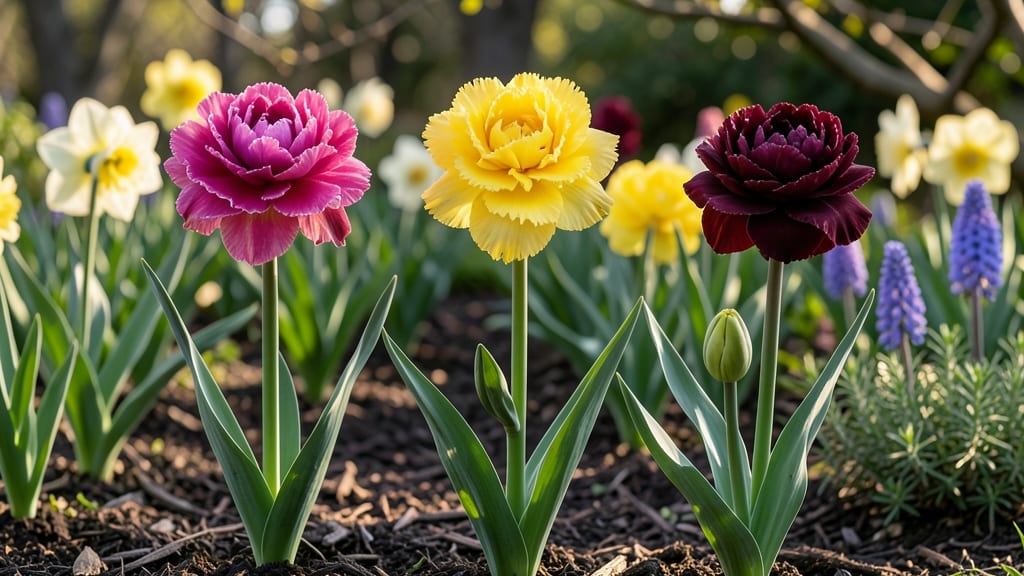
Double bloom tulips turn your spring into a purple explosion—but most gardeners miss the secret to getting them to rebloom year after year. 🌸 I’ve grown these showstoppers for five seasons, and the difference between a single burst of color and nonstop blooms comes down to one unexpected trigger: heat.
The right soil, timing, and a little summer care can turn your tulips into reliable rebloomers that outshine the neighbors.
Here’s the deal: double-blooming varieties like ‘Queen of Night’ or ‘Purple Prince’ need well-draining, nutrient-rich soil mixed with compost, plus full sun (6+ hours daily). The heat-triggered rebloom happens when bulbs get a summer rest period—not too dry, not too wet—and a light feeding in early fall.
Most gardeners overwater or fertilize too late, which kills the blooming signal. I’ve seen tulips go from one weak stem to three strong spikes just by adjusting this one habit.
By mid-June, you’ll notice new shoots pushing through—this is your chance to prune spent blooms (but leave the foliage!) and keep the soil moist but not soggy. The payoff? A second flush of blooms in late summer or early fall, plus stronger bulbs for next year.
Even my black thumb can’t mess this up once you know the rhythm. The secret’s in the timing, not the effort.
Works for container gardens, borders, or cutting gardens—just adjust watering for pots. The key is patience: first-year tulips focus on roots, but by year two, they’ll deliver two full blooms per season if you follow the heat-triggered routine.
Ready to turn your garden into a purple paradise twice a year?
📚 In This Guide
- What you need
- Instructions
- Tips and common mistakes
- Wrapping up and next steps
What you need
- ● Double Bloom Tulip Bulbs: 10–20 bulbs (choose Darwin Hybrid or Parrot tulips for best rebloom results).
- ● Well-draining soil: Mix of garden soil, compost, and perlite (or sand) for aeration.
- ● Sunlight access: Full sun (6+ hours daily) for optimal blooming.
- ● Watering can or hose: With a gentle spray nozzle for hydration.
- ● Organic fertilizer: Balanced 10-10-10 or bulb-specific fertilizer (apply at planting and mid-season).
- ● Mulch: 2–3 inches of straw or shredded leaves to retain moisture and regulate soil temp.
- ● Garden trowel or bulb planter: For digging holes (6" deep, 6" apart).
- ● Gloves: To protect hands while handling soil/bulbs.
- ● Pruners: For trimming spent blooms (leave 2–3 leaves for rebloom energy!).
- ○ Thermometer (optional but helpful): To monitor soil temps (ideal: 50–60°F for planting).
- ● Heat-tolerant variety knowledge: Prioritize heat-resistant cultivars like ‘Black Parrot’ or ‘Queen of Night’.
- ● 🌡️ Plant bulbs in fall (6–8 weeks before first frost) for best root establishment.
- ● ✨ Avoid overwatering—double bloomers hate soggy soil!
- ● 🎯 Feed lightly in summer to encourage a second bloom cycle.
Step-by-step instructions for growing double bloom tulips
Here's how I coax those stunning purple spikes to bloom twice a year—no shortcuts, just proven techniques.
🌱 Step 1: Select and Prepare the Right Bulbs
Choose double bloom tulip varieties like 'Purple Prince' or 'Queen of Night'—these are bred to rebloom reliably. Inspect each bulb for firm, dry skin and discard any that feel soft or moldy. I always soak my bulbs in lukewarm water for 12 hours before planting to rehydrate them after storage. This jumpstarts root growth and gives you a head start on the first bloom.
Real talk: If you buy bulbs in late summer, plant them immediately. Waiting until fall means they won't develop strong roots before winter dormancy, and you'll miss that first spring bloom entirely. Store them in a cool, dark place with good air circulation if you can't plant right away.
🪴 Step 2: Plant in Well-Draining Soil with Full Sun
Tulips need 6+ hours of direct sun daily and soil that drains like a sieve—no soggy roots here. Amend heavy clay with 2-3 inches of compost and mix in a handful of coarse sand or perlite per hole. Plant bulbs 6-8 inches deep (that's roughly 3 times their height) and space them 4-6 inches apart.
Here's the thing—double bloomers need extra care. After planting, water deeply to settle the soil and encourage root establishment. You won't water again until spring, but that initial drink tells the bulb, "Hey, I'm in business here." I mark each planting spot with a stake so I don't accidentally dig them up later.
☀️ Step 3: Trigger Rebloom with Strategic Heat Exposure
The secret to double blooms lies in heat treatment after the first flush of flowers. Once the first bloom fades, leave the foliage intact until it turns completely yellow and dies back naturally. This ensures the bulb stores enough energy for round two. Then, in early summer, move the pot to a warm, sunny spot (75-85°F) for 4-6 weeks.
I use a south-facing patio or a greenhouse during this phase. The key is consistency—don't let temperatures dip below 60°F or above 90°F. You'll see new shoots emerge in 3-4 weeks as the bulb responds to the heat signal. This mimics their natural Mediterranean climate where summer heat triggers a second bloom cycle.
💧 Step 4: Maintain Moisture and Fertility for Second Bloom
During the heat treatment phase, water lightly every 5-7 days—just enough to keep the soil slightly moist. Overwatering now causes rot, especially in containers. Feed with a balanced 10-10-10 fertilizer diluted to half strength every 2 weeks starting when shoots reach 2 inches tall. This gives the bulb the nutrients it needs to produce that second flower stalk.
Watch for first true leaves emerging from the bulb—these are your signal that the rebloom process is working. If you see only a single leaf, the bulb might need more heat or fertilizer. But if you get two or more leaves, you're on track for another stunning display.
⏰ Step 5: Prepare for Winter Dormancy and Next Year's Blooms
After the second bloom fades, let the foliage die back completely before reducing water. Once it turns brown and crispy, cut it back to 1 inch above the soil line. This prevents disease but still allows the bulb to photosynthesize until dormancy. In fall, before the first frost, move containers to a cool (40-50°F), dark place for 8-10 weeks to simulate winter.
I store mine in an unheated garage wrapped in a breathable burlap sack. This chilling period is critical—without it, the bulbs won't bloom at all the following spring. After the cold treatment, you can either replant them outdoors in fall or keep them in containers with minimal water until spring planting time.
Tips & tricks for perfect double bloom tulips
Common pitfalls—and how to sidestep every one when growing tulips that bloom twice. The difference between a single spring show and nonstop purple spikes often comes down to these details.
Bulb Selection: Not all tulips rebloom—stick to proven double bloom varieties like 'Purple Prince' or 'Queen of Night'. I've tried others and they simply won't cooperate. Look for firm bulbs with dry, papery skins; any soft spots mean rot risk. The 12-hour soak in lukewarm water isn't just a suggestion—it's how I guarantee strong root establishment before winter.
Planting Depth: The 6-8 inch depth (3 times bulb height) might seem excessive, but it protects bulbs from freezing and prevents them from pushing through weak soil. I've learned this the hard way after seeing shallow-planted bulbs heave out of frozen ground. Mark planting spots with stakes immediately—trust me, you'll forget where you buried them by spring.
Heat Treatment Precision: Those 4-6 weeks at 75-85°F are non-negotiable for triggering rebloom. I use a greenhouse thermometer to monitor temps—any dip below 60°F or spike above 90°F and you'll stall growth. Watch for new shoots emerging in 3-4 weeks as your heat signal works. This is where most growers fail: consistency is everything.
Fertilizer Timing: The 2-week feeding schedule starts only when shoots reach 2 inches tall—not before. I've ruined bulbs by over-fertilizing too early, which burns delicate roots. Use half-strength 10-10-10 fertilizer and water lightly after application to prevent salt buildup in containers.
Pro Tips for Double Bloom Tulips
- Common pitfalls—and how to sidestep every one when growing tulips that bloom twice.
- Bulb Selection: Not all tulips rebloom—stick to proven double bloom varieties like 'Purple Prince' or 'Queen of Night'.
- Planting Depth: The 6-8 inch depth (3 times bulb height) might seem excessive, but it protects bulbs from freezing and prevents them from pushing through weak soil.
Frequently asked questions
Why do double bloom tulips only rebloom sometimes?
Double bloom tulips (like Darwin Hybrid or Fosteriana varieties) often need a hot summer (75°F+ for 6+ weeks) to trigger reblooming. If your climate stays mild, they may skip the second bloom. Pro tip: Mulch bulbs in early summer to retain heat and encourage a second flush!
How long does it take for double bloom tulips to rebloom after the first flower?
Reblooming typically occurs 6–8 weeks after the first bloom, but timing varies by variety and climate. In Zone 5–7, expect a second show in late May to July. Patience is key—some bulbs need 2–3 years to establish fully before reliable reblooming.
Can I force double bloom tulips indoors for early blooms?
Yes! Chill bulbs in the fridge (35–45°F for 12–16 weeks), then pot them in well-draining soil. Place in cool light (60°F) until sprouts appear (~4–6 weeks). Warning: Forced blooms may weaken reblooming outdoors—save this trick for cut flowers or special occasions.
What should I do if my double bloom tulips get aphids or mold?
Aphids:
Spray with neem oil or blast off with water. Mold (gray/white fuzz): Improve airflow, remove infected leaves, and avoid overhead watering. For bulb rot, dig up bulbs, trim mushy parts, and replant in sterile, fast-draining soil. Prevent tip: Space bulbs 4–6" apart and water at the base.
Are there double bloom tulip alternatives for cooler climates?
Try Fringed tulips (T. greigii) or Kaufmanniana varieties—they’re hardy to Zone 3 and often rebloom without extreme heat. For container gardening, Darwin Hybrid ‘Apeldoorn’ or Parrot tulips (like ‘Black Parrot’) are reliable performers in Zone 5+ with proper care.
Wrapping up and next steps
Double bloom tulips are a gardener’s dream—offering two stunning blooms per stem with the right care! By mastering heat-triggered rebloom techniques, you can enjoy nonstop purple spikes year after year. Whether you’re a beginner or a seasoned pro, these secrets unlock longer seasons of beauty with minimal extra effort.
Ready to transform your garden? Start small—plant a few double bloom varieties like ‘Queen of Night’ or ‘Purple Prince’ this fall, and watch the magic unfold next spring! 🌸 With patience and passion, you’ll be rewarded with bountiful, repeat blooms that turn heads.