
Blooming
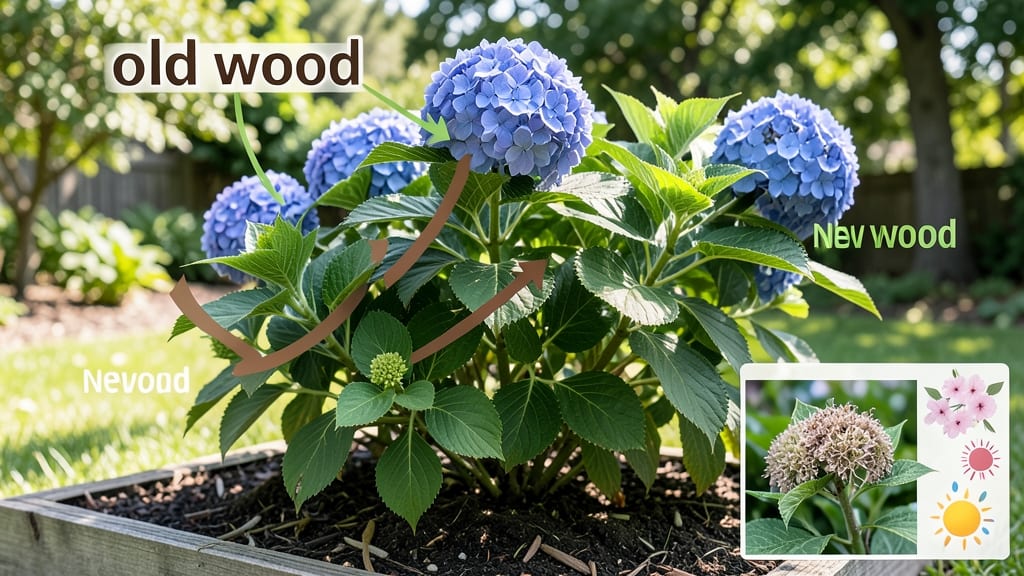
Hydrangeas don't bloom every year automatically—most varieties flower once annually on last year's growth, needing winter dormancy to reset for new blooms. Reblooming types like 'Endless Summer' or 'Annabelle' can produce two flushes yearly with proper pruning and care, while others rely on seasonal cues for flowering.
Hydrangeas follow two main blooming patterns: old-wood producers (like 'Nikko Blue') flower on stems from the previous year, while rebloomers (such as 'Endless Summer') set buds on both old and new growth. 🌸 The key difference lies in their growth cycles—old-wood types need winter's cold to trigger new buds, while rebloomers can produce flowers twice if you prune correctly in late summer or early fall.
Proper pruning timing and winter protection are critical for encouraging repeat blooms, especially in regions with mild winters.
For example, 'Endless Summer' hydrangeas thrive in zones 3-9 when given consistent moisture and partial shade, while 'Annabelle' varieties prefer full sun and well-draining soil. Understanding your specific variety's needs can help you maximize blooms year after year, even if they don't bloom naturally every season.
💡 In This Article
- Why Some Hydrangeas Bloom Once vs. Rebloom Yearly
- Best Hydrangea Varieties for Reliable Yearly Blooms
Why some hydrangeas bloom once vs. rebloom yearly
The secret lies in their growth habits: most hydrangeas are old-wood bloomers, meaning they produce flowers on stems that grew the previous year. These varieties, like the stunning 'Nikko Blue', need winter's cold to trigger dormancy—this rest period signals the plant to set new buds for next year's blooms.
Without proper dormancy, the plant simply won't produce flowers at all. 🌿 The cold temperatures (typically below 40°F for 4-6 weeks) act like a biological reset button, ensuring the plant knows when to start growing again.
Reblooming varieties, such as 'Endless Summer' or 'Annabelle', are different—they produce flowers on both old and new growth. This means they can bloom twice in one season if you prune correctly.
The key is timing: these varieties set new flower buds in late summer or early fall on the current year's growth. If you prune too late (after July), you risk removing next year's flower buds before they form.
For example, 'Endless Summer' can produce a second flush of blooms in late summer if you prune lightly in early spring and then again in late summer to encourage new growth.
Seasonal changes trigger this process through a combination of temperature shifts and daylight hours. Shortening daylight in fall (photoperiodism) combined with cooler nights stimulates bud formation in rebloomers.
Meanwhile, old-wood types rely entirely on winter's cold to break dormancy—if winters are too mild (like in zone 7 or warmer), they may fail to bloom at all.
This is why gardeners in warmer climates often struggle with traditional hydrangeas unless they provide artificial dormancy through mulching or shade cloth during summer.
Pruning plays a critical role in determining whether your hydrangea will rebloom. For old-wood types, you should never prune in late winter or early spring—doing so removes the current year's flower buds before they open.
Instead, prune immediately after blooming (late summer) to shape the plant and encourage next year's growth. Rebloomers, however, can handle a light pruning in early spring (removing dead wood) followed by a more aggressive pruning in late summer to promote new flower buds for the following season.
Here's what happens when you get it wrong: if you prune an old-wood hydrangea like 'Limelight' in early spring, you'll likely end up with no flowers that year because you've removed all the buds that formed on last year's growth.
The plant will focus its energy on growing new stems instead of flowering. Conversely, if you don't prune rebloomers at all, they'll produce a strong first flush of flowers but may struggle with a second flush because the old wood becomes overcrowded and shaded out.
Consider this real-world example: in my zone 6 garden, I've had 'Nikko Blue' hydrangeas fail to bloom entirely for two consecutive years because we experienced unusually warm winters (highs of 55°F in January). The plants didn't get the cold dormancy period they needed to set new buds.
After adding 4-6 inches of mulch around the base and providing afternoon shade during summer, they finally rebloomed the following spring. This shows how critical environmental conditions are for these plants.