
Blooming
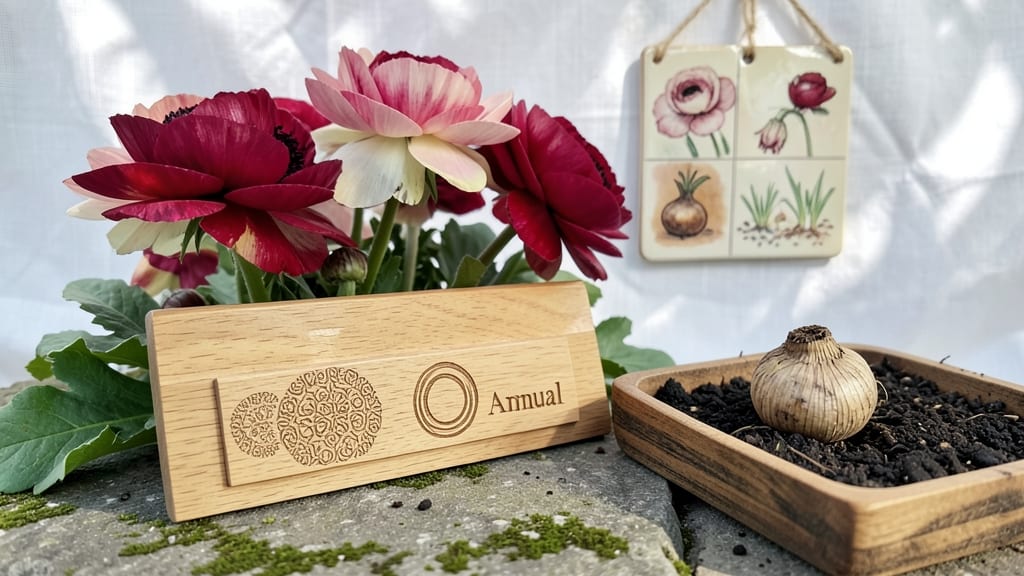
Ranunculus do not bloom every year as perennials in most climates—they typically die back after flowering and require replanting annually. However, in mild winter zones (USDA 8+), they may return with proper care and mulching, though blooms may be less vigorous the second year.
Ranunculus rely on tubers for survival, and these underground structures struggle in colder climates where temperatures drop below 20°F. 🌱 Without proper winter protection, the tubers often rot or fail to regenerate strong blooms, forcing gardeners to replant each spring.
In warmer regions, though, their hardiness improves dramatically—some varieties even thrive as semi-perennials with minimal intervention.
What makes this tricky is that even in suitable zones, ranunculus blooms tend to weaken over time if not given the right conditions. I’ve found that combining organic mulch with a thick layer of straw or leaves can make a huge difference in their longevity.
The key is balancing moisture and insulation—too much water can drown the tubers, while insufficient protection leaves them vulnerable to frost damage.
💡 In This Article
- Why Ranunculus Act Like Annuals in Most Gardens
- How to Extend Ranunculus Blooms Year-After-Year
Why ranunculus act like annuals in most gardens
Ranunculus rely on thick, fleshy tubers for survival, but these underground structures have a critical weakness: they lack natural frost resistance. When temperatures drop below 20°F, the tubers become vulnerable to freezing, which disrupts their cellular structure and prevents proper regrowth.
This is why most gardeners treat them as annuals—they simply don't survive the winter in colder climates without intervention.
The real culprit is their Mediterranean heritage. Ranunculus evolved in regions with mild winters and well-drained soils, where temperatures rarely dip below 30°F for extended periods. In contrast, USDA zones 7 and below experience harsh winters that can last 4-6 months, far exceeding what these tubers can tolerate.
Even in zone 8, where winters are milder, the tubers often produce smaller blooms the second year because their energy reserves are depleted from the first flowering cycle.
Here's what happens botanically: When tubers freeze, their stored starches (which fuel regrowth) convert into sugars that attract microbial activity. This process accelerates rot, especially in wet soils. The tubers also lack protective bark or insulating layers found in true perennials like peonies, making them more susceptible to temperature fluctuations.
Without proper winter protection, gardeners are left with shrunken, weak tubers that may produce only a handful of blooms—or none at all.
USDA hardiness zones play a crucial role in determining whether ranunculus can persist. In zones 9-10, where winters rarely drop below 25°F, tubers often survive with minimal care. However, in zones 7-8, even a single hard freeze can be catastrophic.
The key difference is the duration of cold exposure—ranunculus tubers can handle brief cold snaps but fail under prolonged sub-freezing conditions. This is why gardeners in colder regions often opt for replanting each spring rather than risking tuber loss.
What most people don't realize is that ranunculus tubers also require a specific dormancy period to prepare for regrowth. If they're forced to sprout too early (like in unprotected ground), the new shoots become vulnerable to late frosts.
This premature growth is a common reason why ranunculus fail to rebloom—even in favorable climates. The tubers need 6-8 weeks of consistent 50-60°F soil temperatures before they'll reliably produce strong blooms the following season.
Consider this comparison: A peony tuber can survive -20°F winters because it has a thick, woody structure. Ranunculus tubers, however, are more like dahlias—delicate and high-maintenance. Without proper insulation, they're essentially sitting ducks for winter's harshest conditions.
This is why even experienced gardeners in zone 8 often treat them as annuals unless they take extra steps to protect the tubers.