
Blooming
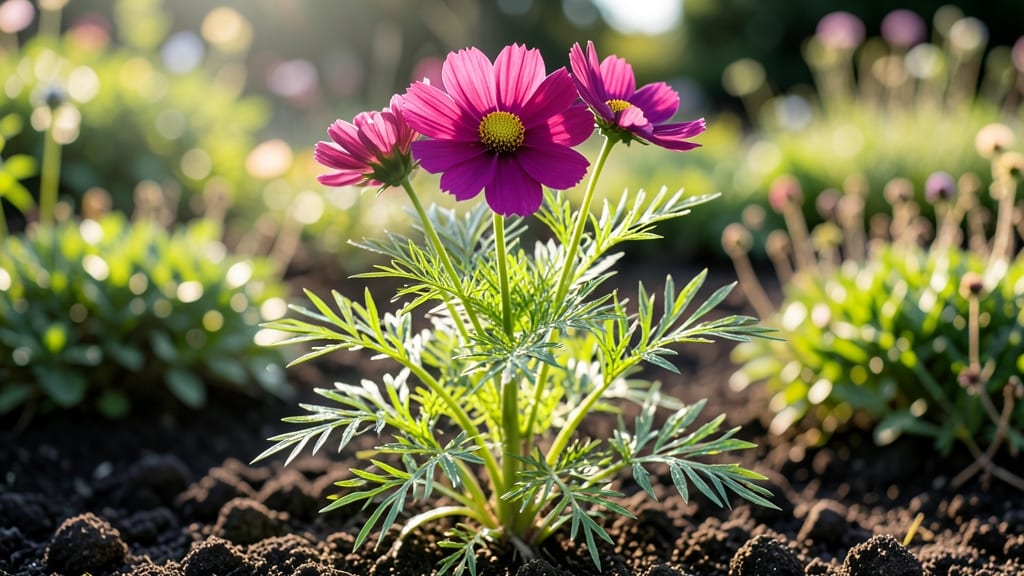
Cosmos bloom time depends on your variety and climate, but most burst into color between June and October—with some starting as early as late May in warm zones.
Picture this: your garden exploding with bright pinks, whites, and yellows just as summer heats up. That’s the magic of cosmos, but timing matters—plant too late, and you miss the peak show. The right variety and a little care can stretch those blooms for months.
Annual cosmos like Bright Lights and Sensation typically bloom from July to frost, while perennials like Cosmos bipinnatus may start earlier in zones 6 and warmer. Deadheading spent blooms is the secret to keeping them flowering until fall.
Below, I’ll break down the exact months for your favorite cosmos types, plus pro tips to extend their bloom time—because nobody wants a garden that fades too soon.
Exact bloom time for popular cosmos varieties (by type)
If you're planning your garden for summer color, knowing the cosmos bloom time helps you choose the right varieties. Annual cosmos like Bright Lights and Sensation typically bloom earlier, while perennials like Cosmos bipinnatus may take a little longer to show off their cheerful blooms.
Let’s break down the exact months for each variety and how USDA zones affect their timing.
The bloom time for cosmos also depends on your climate zone. In USDA zones 9-10, cosmos may start blooming as early as May and continue until first frost. Meanwhile, in cooler zones 5-7, expect blooms to begin in June or July and last until fall.
Adjust your planting schedule based on your local frost dates for the best results.
Annual cosmos like Cosmos sulphureus (Seashells) are known for their long bloom seasons, often starting in early summer and lasting until frost. Perennial cosmos, such as Cosmos bipinnatus, may have a slightly delayed start but reward you with continuous blooms if given the right care. Let’s dive into the specifics for each variety.
For annual cosmos, such as the Bright Lights mix, you can expect blooms to start as early as June in cooler zones and continue until first frost. These varieties are fast growers and thrive in full sun, making them perfect for adding instant color to your garden.
If you're in USDA zone 10, you might even enjoy blooms year-round with minimal care.
The Sensation series, including varieties like Double Click and Sonata, typically bloom from June to September
How to extend cosmos bloom time with simple gardening hacks
If your cosmos seem to fade after just a few weeks of blooming, don't worry—you're not stuck with a short-lived display! With the right techniques, you can coax your cosmos to bloom for 3+ months and keep your garden vibrant from summer through fall.
The secret lies in understanding their natural growth patterns and giving them the right care at the right time.
Cosmos are known for their effortless beauty, but they need a little help to reach their full potential. By focusing on deadheading, soil nutrition, watering strategies, and companion planting, you can transform your garden into a long-lasting floral show.
These simple hacks will ensure your cosmos don't just bloom—they thrive.
- Deadhead daily: Snip spent blooms below the next set of leaves to redirect energy to new flowers. This keeps your cosmos producing blooms for weeks longer.
- Feed lightly in spring: Use a balanced 5-10-10 fertilizer when plants are 6 inches tall. Over-fertilizing leads to lush foliage but fewer flowers.
- Water deeply but infrequently: Cosmos are drought-tolerant once established. Water early morning and let soil dry between sessions to prevent fungal issues.
- Plant with marigolds or nasturtiums: These companions repel pests like aphids and spider mites, which can stress cosmos and shorten bloom time.
- Avoid overcrowding: Space plants 12-18 inches apart for better airflow. Crowded cosmos compete for nutrients and bloom less vigorously.
One of the easiest ways to extend bloom time is through deadheading. I can't stress enough how much of a difference this makes! Cosmos are prolific bloomers, but without regular deadheading, they'll quickly shift their energy from producing flowers to creating seeds.
Grab a pair of clean scissors or pruners and snip off the faded blooms just below the next set of leaves. This simple act tells the plant, "Keep blooming!" and can add 4-6 weeks to your display.
Don't forget about the power of companion planting. Cosmos pair beautifully with many other flowers and herbs, but some combinations work better than others for extending bloom time. Planting cosmos near marigolds or nasturtiums creates a pest-repelling duo.
These companions deter common pests like aphids and spider mites, which can weaken your cosmos and shorten their flowering season. Plus, the contrasting colors create a stunning visual effect in your garden.
For those hot summer days, your watering habits play a crucial role. While cosmos are drought-tolerant once established, they still need consistent moisture during their active growth phase. Water deeply in the early morning to reduce evaporation and fungal risks.
Aim for about 1 inch of water per week, but adjust based on your local climate. Overwatering can lead to root rot, while underwatering causes stress that cuts blooms short.
Finally, pay attention to your soil. Cosmos thrive in well-draining, slightly sandy soil with a pH between 6.0 and 7.0. Before planting, mix in a 2-inch layer of compost to provide essential nutrients without overwhelming the plant.
A light feeding with a balanced fertilizer every 4-6 weeks during the growing season will keep your cosmos strong and flowering for months.