
Blooming
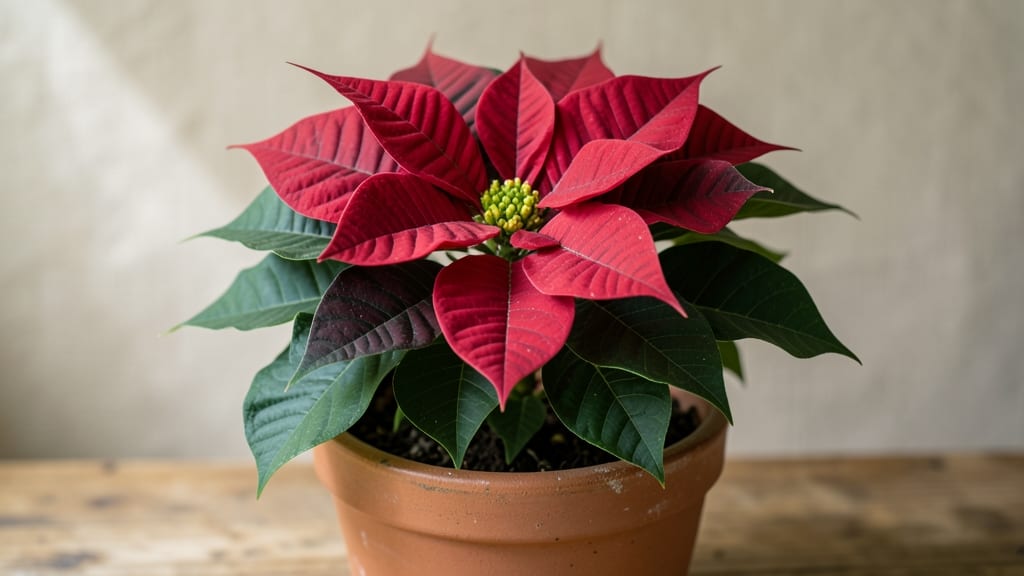
Poinsettias bloom naturally in late fall to early winter 🎄, when shorter days and longer nights trigger their photoperiodism—something most gardeners overlook entirely.
If you’ve ever wondered why your poinsettia blooms in December but disappears by spring, the answer lies in its light sensitivity—not just luck. These vibrant holiday plants follow a precise natural cycle, triggered by daylight shifts that most gardeners miss entirely.
Unlike most plants that bloom based on temperature or water, poinsettias rely on 12+ hours of darkness per night to kickstart their flowering. In their native tropical regions, this happens naturally as daylight shortens in late summer, setting the stage for their stunning winter display.
Below, I’ll break down exactly how daylight length controls their blooming, common mistakes that delay flowers, and how you can adjust light exposure to time blooms for holidays or special occasions.
How daylight length triggers poinsettia blooms naturally
Poinsettias are famous for their holiday-season color, but their blooming isn’t random—it’s triggered by daylight length. These plants rely on photoperiodism, a natural response to changing light cycles.
When nights stretch to 12+ hours of darkness in late summer, poinsettias sense the shift and begin their blooming cycle. This process explains why they typically bloom in December, aligning with winter holidays.
The key lies in short-day plants like poinsettias. Unlike long-day plants that bloom with extra sunlight, poinsettias need long nights to trigger flowering. This happens naturally when daylight shortens after the summer solstice (around June 21).
By late August to early September, most U.S. regions experience the 12-hour darkness needed to kickstart blooms.
In northern U.S. regions (Zones 3–6), poinsettias may need artificial darkness to bloom on schedule. Without intervention, shorter daylight in summer can delay the 12-hour night requirement until late September. Gardeners in these areas often use blackout cloths or move plants to closets at dusk to simulate natural conditions.
For southern U.S. gardeners (Zones 8–11), natural daylight cycles usually align perfectly. The summer solstice in June provides the longest daylight, and by late August, nights stretch to 12+ hours.
This triggers blooms by October or November, often peaking in time for Christmas. The Gulf Coast and Florida may see earlier blooms due to their longer growing season.
Temperature plays a secondary role in bloom timing. Poinsettias thrive in 65–75°F during growth but need cooler nights (55–65°F) to set buds. If temperatures stay above 80°F for extended periods, blooms may delay or fail.
This is why indoor poinsettias often bloom more reliably—they avoid heat stress common in outdoor summer conditions.
If you’re growing poinsettias outdoors in containers or garden beds, monitor daylight hours closely. In September, start providing 14 hours of light followed by 10+ hours of darkness to mimic natural cues.
For indoor plants, place them in a dark room or closet from 5 PM to 8 AM daily starting in late August.
One common misconception is that poinsettias bloom because of cold weather. While cooler temps help, the real trigger is darkness duration. Even in warm climates, poinsettias will bloom if given the right light-to-dark ratio.
This is why you can find year-round blooming poinsettias in greenhouses—they control artificial light cycles.
To encourage earlier blooms, start the darkness treatment in July instead of August. For later blooms, delay until September. Just remember: consistency is key. Skipping a night of darkness can reset the cycle and delay blooms by weeks.
With the right light management, you can time poinsettia blooms for any holiday, not just Christmas.
Understanding this natural cycle lets you enjoy vibrant poinsettias year-round. Whether you’re a beginner gardener or a seasoned pro, mastering photoperiodism ensures your poinsettias bloom on schedule, every time. 🌿🎄
Best months to plant or repot poinsettias for natural blooms
Timing is everything when it comes to poinsettias. These plants thrive on natural light cycles, so planting or repotting them at the right time ensures vibrant fall/winter blooms.
Unlike many plants, poinsettias don’t follow the typical spring planting schedule—they need a summer kickstart to prepare for their December show.
If you’re growing poinsettias indoors, the best time to plant or repot is between May and early July. This gives them 3-4 months of growth before the daylight shortens in late summer, triggering their blooming cycle.
For outdoor gardeners in USDA Zones 10-12, you can plant them as early as March, but they’ll still need protection from harsh afternoon sun.
- 📅 May-July: Ideal indoor repotting time to maximize growth before daylight shortens.
- ☀️ August-September: Critical period for 12+ hours of darkness to trigger blooming.
- 🎄 October-November: Bracts (colored leaves) begin developing—reduce watering slightly.
- ❄️ December-January: Peak bloom time—keep in cool (60-70°F) conditions.
- 🌿 February-March: Rest period—stop fertilizing and let foliage recover.
For indoor poinsettias, repotting in early summer gives them time to establish roots before the critical photoperiod begins. Use a well-draining potting mix and a pot just 1-2 inches larger than the current one to avoid stress.
If you’re growing them outdoors in warm climates, plant them in partial shade to prevent leaf scorch from intense afternoon sun.
Adjusting the timing slightly can help you control bloom dates. To encourage earlier blooms, start the 12-hour darkness period in late July instead of August. For later blooms, delay it until early September.
This works best for indoor plants where you can manipulate light exposure with blackout cloths or moving them to darker rooms at night.
After blooming, your poinsettia will need a rest period in late winter. Prune it back by half in February and resume regular care in March to prepare for next year’s holiday display. With the right timing, you’ll enjoy vibrant, natural blooms year after year—no guesswork required!
Pro tip: If you’re repotting, do it in the morning to give the plant time to recover before evening darkness begins. This small adjustment can make a big difference in root establishment and overall health.